

Asia
Asia rewards travellers who plan around seasons. These guides cover Japan from Tokyo to Kyushu and Okinawa, Malaysia through Penang's food and heritage streets, Singapore beyond the marina, and Kyrgyzstan's mountains - each with the best months to go, what things cost, and the mistakes first-time visitors make. Every fact is checked against official sources before it is published.
Featured Asia
 Travel Destinations
Seven December trips for USA travelers, every date and entry rule checked: Egypt in peak season with the Grand Egyptian Museum open, Vienna's market season, Oaxaca's posadas and radish night, Cape Town's summer, Tromso's polar night, Kyoto's quiet month and Marrakech's winter sun.
 Travel Destinations
 Travel Destinations
Latest Asia
 Travel Destinations
Seven November trips for USA travelers, from Joshua Tree to Penang. Five are lower-crowd than their peaks, and two are worth it despite crowds.
 Travel Destinations
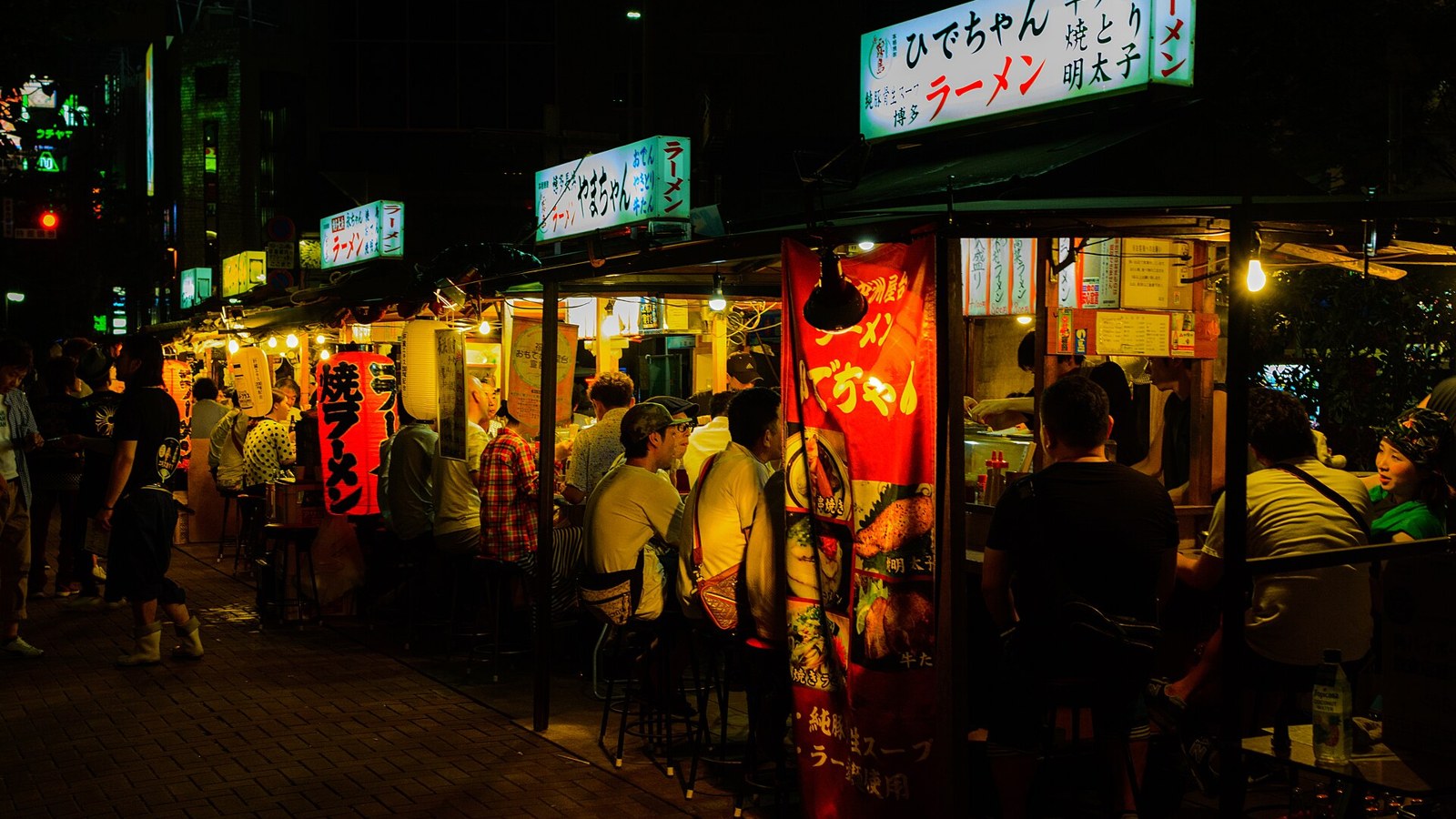
Fukuoka is Kyushu's largest city and one of the easiest city breaks in Japan: th...
 Travel Destinations
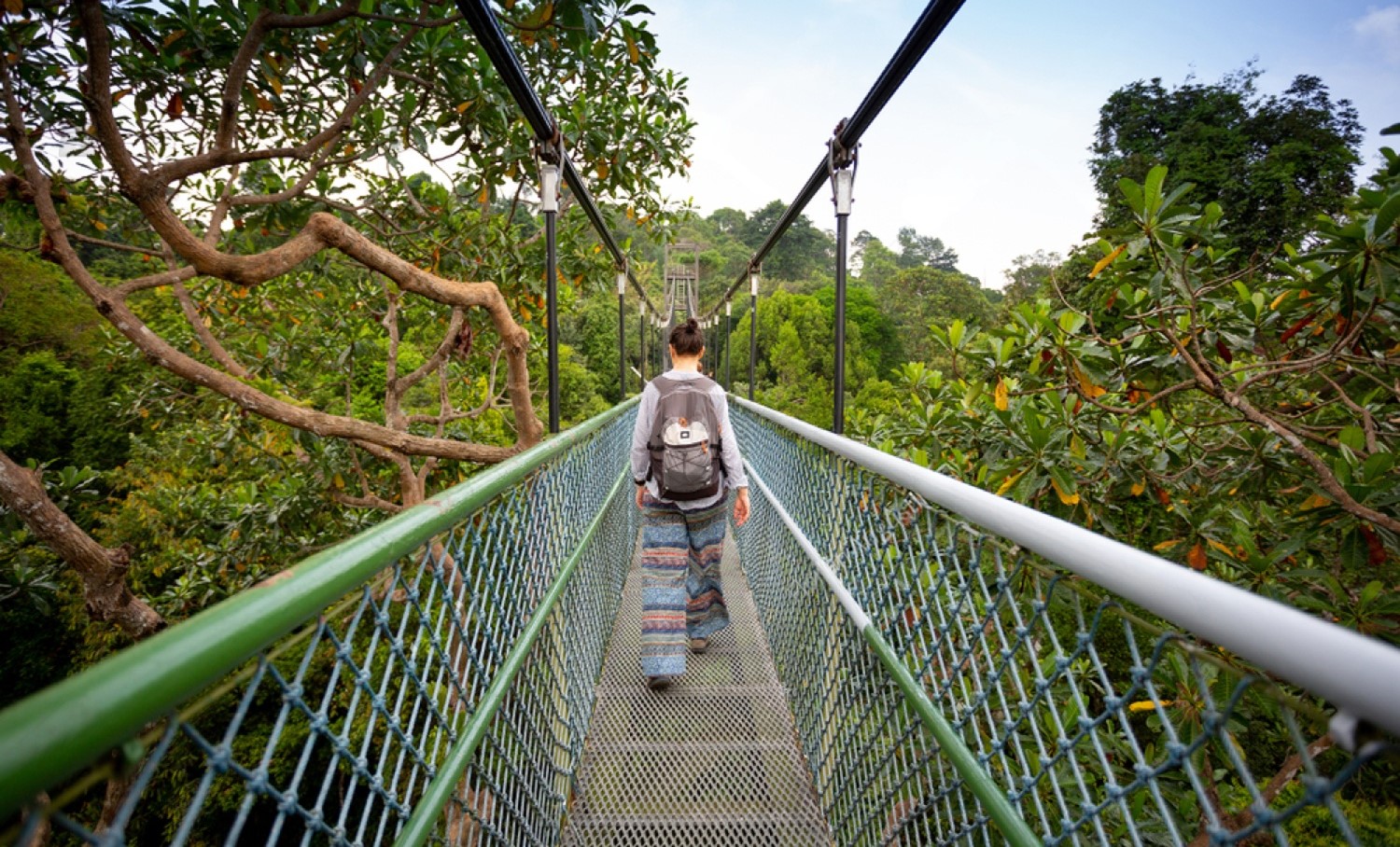
Singapore's best hike is the MacRitchie TreeTop Walk in the Central Catchment Na...
 Travel Destinations
Eight places across Southeast Asia where the big experiences carry small official price tags: Angkor for the price of its pass, Kuang Si Falls for about $3, and a Penang old town that costs nothing to walk.
 Travel Destinations
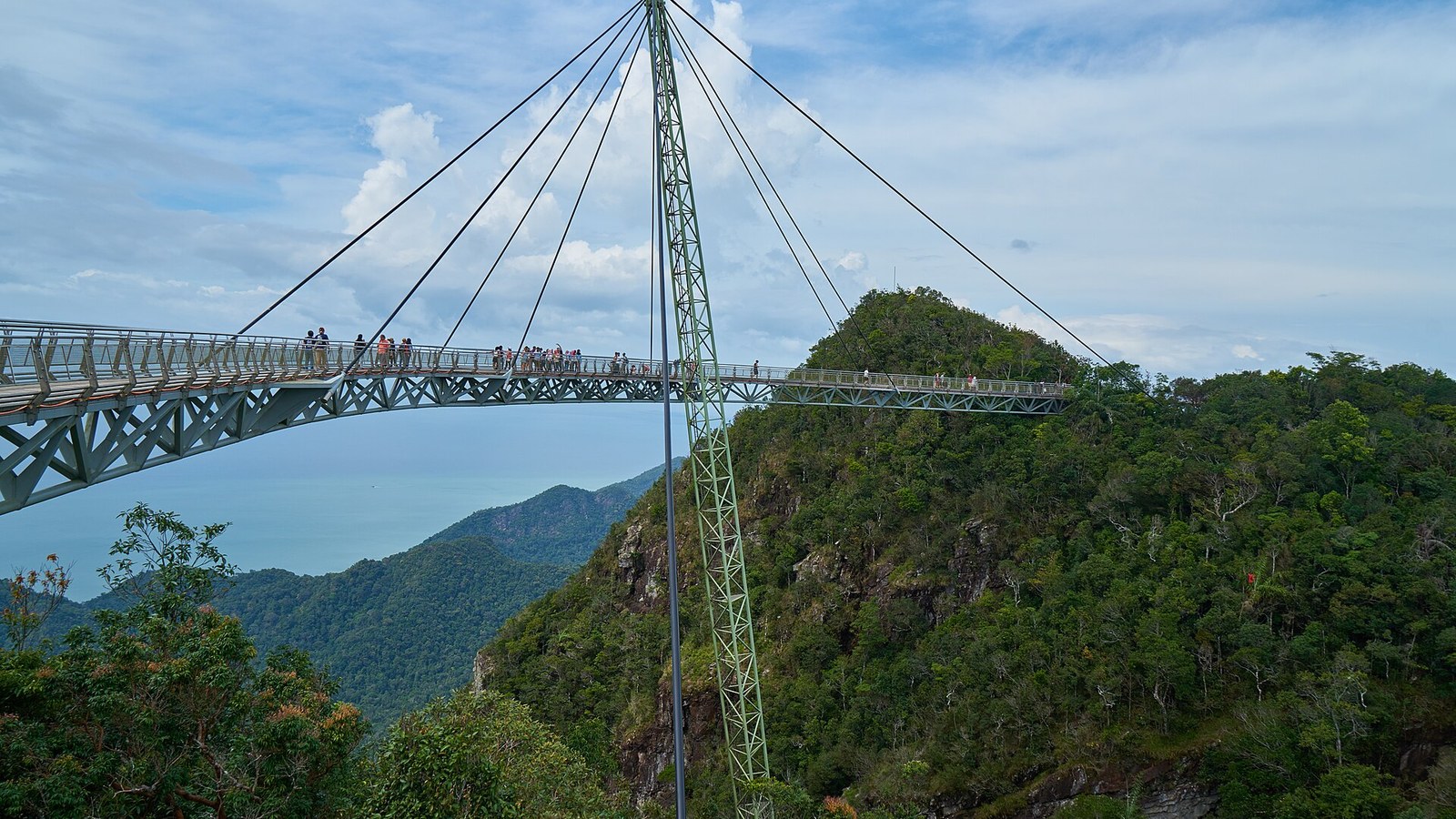
The nine most beautiful places in Malaysia, each verifiable: George Town and Mel...
 Travel Destinations
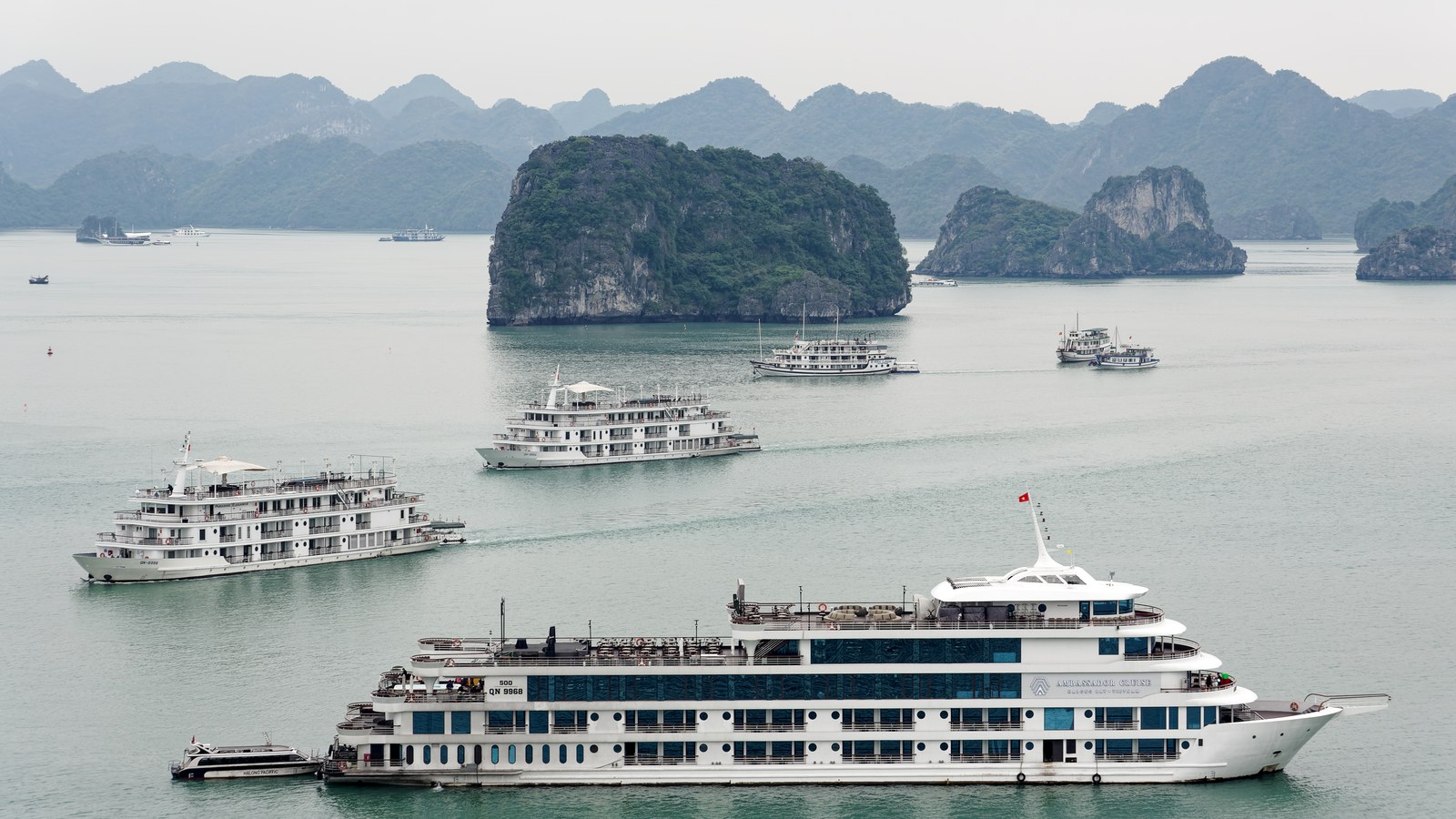
Twelve Asian countries for photographers, from Japan's cherry blossoms to Ha Long Bay: the best photo spots, the right months for clear light, and entry and permit basics for each.
 Travel Destinations
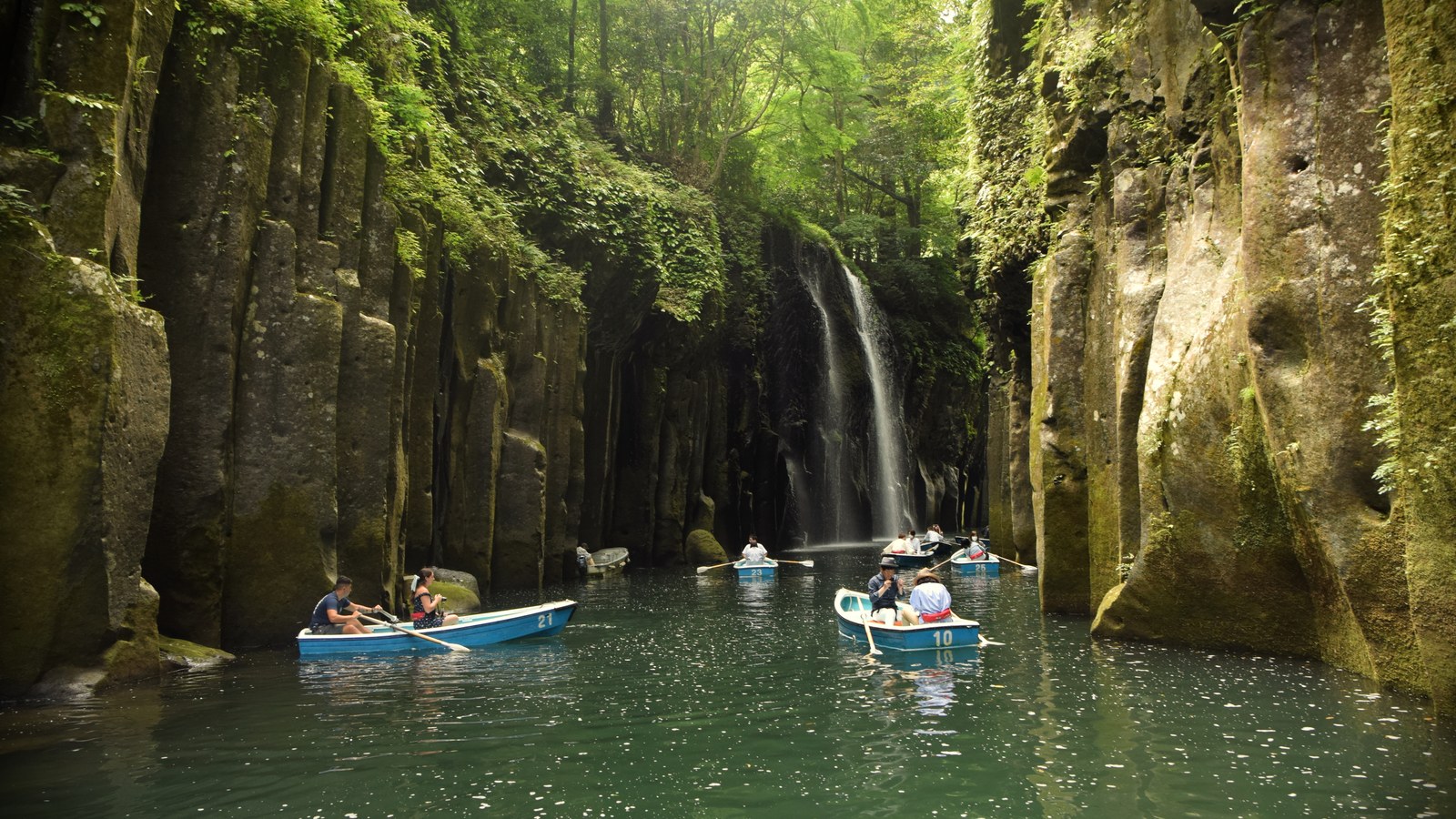
Kyushu in one guide: Fukuoka's yatai stalls, Beppu's seven hells, Kurokawa's tegata bath pass, Kumamoto Castle, Mount Aso, Takachiho Gorge and Sakurajima, with JR Kyushu pass prices, real season dates and entry rules that match how Japan actually works.
How We Research Asia
Firsthand Research
We explore destinations ourselves, so you get real, on-the-ground insights.
Current Information
We keep our guides updated with the latest travel rules, trends and local advice.
Practical Details
From transport and accommodation to costs, we cover details that matter.
Search Asia
Popular Guides
Kyushu Travel Guide: Onsen Towns, Volcanoes and Castles
Apr 22, 2026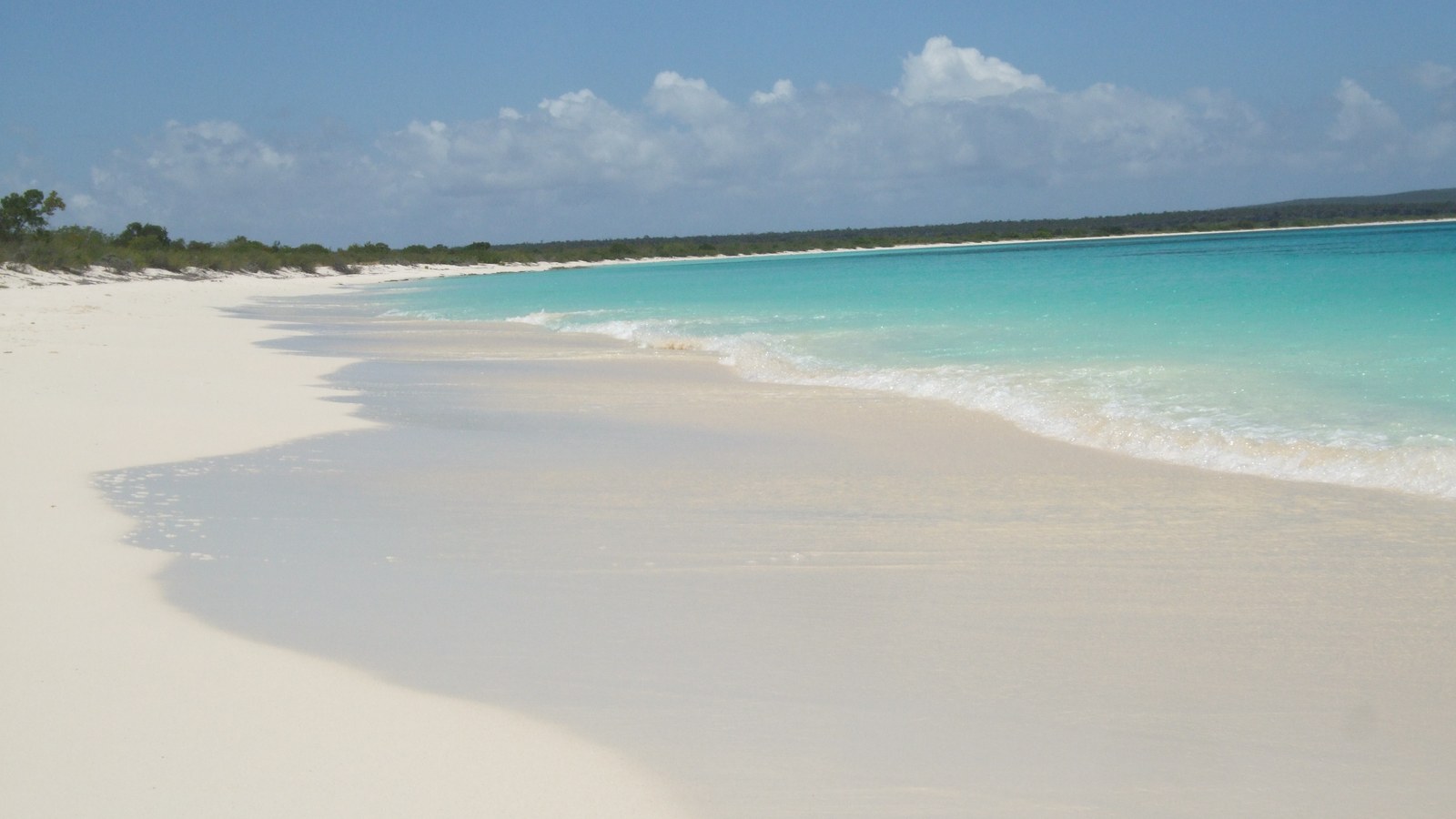
Dominican Republic's Quietest Beaches: 7 Worth the Trip
Apr 09, 2026
Zadar Travel Guide: Old Town, Islands and Real Prices
Apr 09, 2026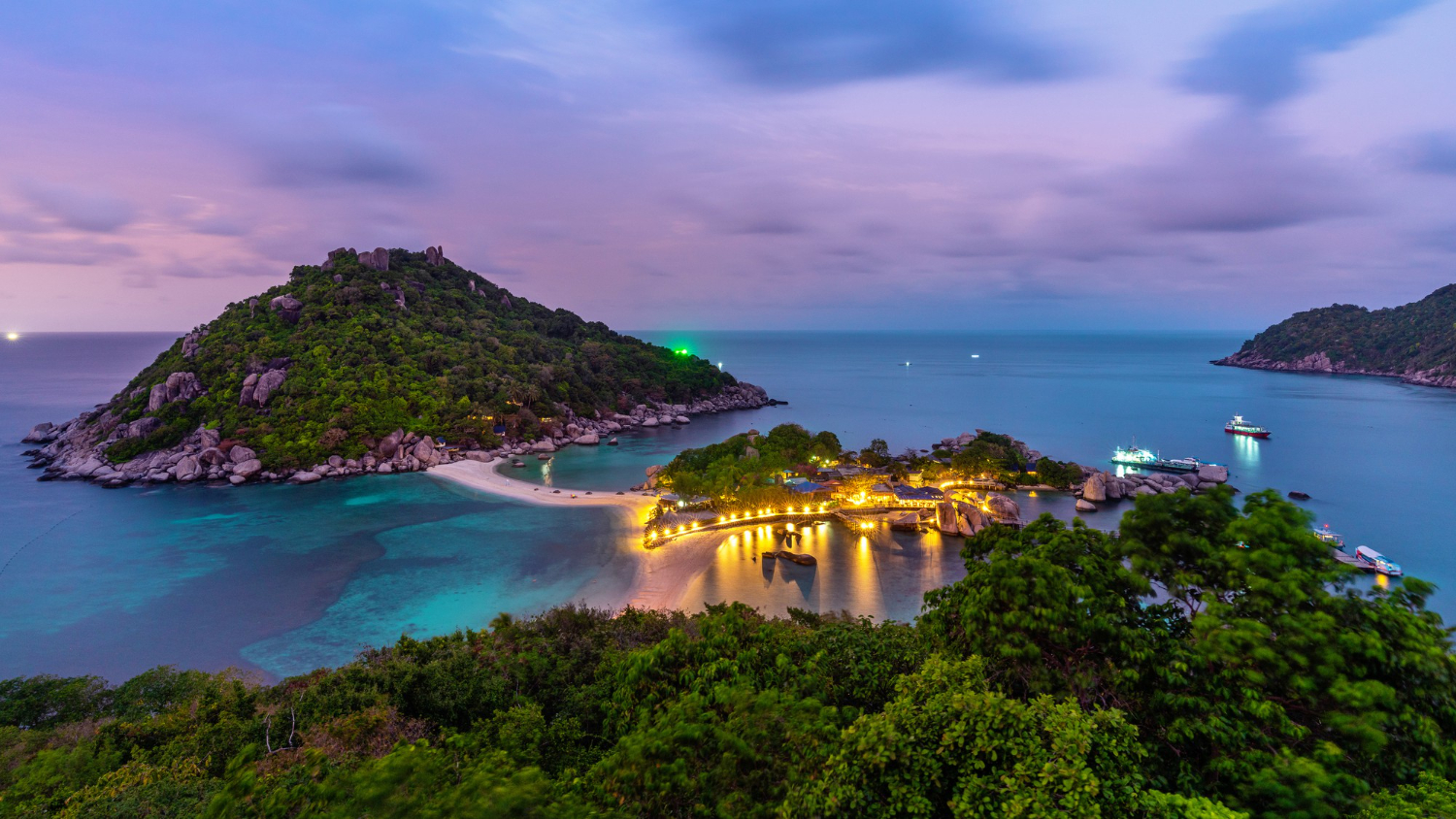
Best Islands in Southeast Asia: Access, Seasons, Costs
Apr 10, 2026
Best National Parks in Europe: 12 Parks, Quiet Months
Apr 12, 2026
Discover the World's Best Festivals
Immerse yourself in vibrant cultures, lively celebrations, and unforgettable experiences globally.

Destination Guides in Your Inbox
Join our newsletter and get the best travel stories, tips and exclusive guides delivered straight to your inbox.
No spam. Unsubscribe anytime.
About Asia
Asia is not one trip but dozens: humid tropics, high desert mountains, megacities and island coasts, often with opposite best seasons. The guides in this hub are built around that reality - each one leads with when to go and what it costs, then goes deep on a single country or region.
Start with the flagships: the places to go in Penang guide for Malaysia's food capital, and the best places to visit in Japan guide, which anchors a cluster covering Kyushu, Okinawa and Japan beyond Tokyo. Singapore's quieter side is covered too, from Coney Island's coastal trails to city hiking routes.
Where a fact can change - visa rules, ferry routes, park fees - the guides say what was verified and when, so you can trust the plan you build on them.
Frequently Asked Questions
There is no single answer because the right destination depends on the type of trip. Japan and South Korea offer highly developed cities and efficient transport; Southeast Asia has major beach, island, food, and cultural destinations; South Asia offers historic sites, mountain regions, and diverse food traditions; Central and East Asia provide different combinations of landscapes, history, and cultural experiences.
There is no single best season for the entire continent. Asia spans multiple climate zones, so the appropriate travel period depends on the country and region. Monsoon seasons, winter temperatures, summer heat, snowfall, and regional weather patterns should be checked for the specific destination.
It depends on whether you are visiting one country or combining several. A single-country trip may work well with one to two weeks, while a multi-country itinerary generally requires more time because international transfers and border crossings can take a significant part of the journey.
Asia includes major cities, historic and cultural destinations, tropical islands, beaches, mountain regions, national parks, food destinations, religious and architectural landmarks, and rural areas. Different countries are particularly associated with different combinations of these experiences.
Southeast and South Asia contain many well-known beach and island destinations, including areas of Thailand, Indonesia, the Philippines, Malaysia, Vietnam, Sri Lanka, and the Maldives. Conditions vary by island and season, so rainfall, sea conditions, and transport should be considered alongside the beach itself.
The Himalayas and surrounding regions provide major mountain destinations across countries including Nepal, India, Bhutan, and Pakistan. Other parts of Asia also offer significant mountain landscapes, including Japan, South Korea, Central Asia, and parts of Southeast Asia.
Many Asian cities have strong food cultures, but the type of cuisine differs considerably. Cities in Japan, Thailand, Vietnam, South Korea, China, India, Malaysia, Singapore, Indonesia, and other parts of the region offer very different street-food, restaurant, market, and regional-food experiences.
Many are, but suitability depends on the destination and the ages of the travelers. Factors such as transport, accommodation, healthcare access, walking requirements, climate, food options, and the availability of family-oriented activities can make a significant difference.
There is no universal option. High-speed and regional trains are useful in some countries, domestic flights are important across larger distances, and buses, ferries, metros, and private transfers can be practical within individual regions. The most efficient option depends on the route.
Crowds vary by destination, season, holidays, and individual attractions. Instead of assuming an entire country is quiet or busy, travelers can often reduce congestion by choosing less-visited regions, traveling outside major holiday periods, or visiting popular attractions at less busy times.