
The twelve Asian countries photographers rate highest are Japan, Bhutan, Indonesia (Bali), Laos, the Maldives, Kyrgyzstan, Malaysia, Nepal, Singapore, South Korea, Thailand and Vietnam. Each one gives a different kind of frame: blossom and neon in Japan, cliff monasteries in Bhutan, terraces and bays in Vietnam. This guide gives the best photo subjects in each country, the months with the clearest light, and the entry and permit basics, with facts you can check.
Quick picks
Use this table to match a country to the images you want. Seasons are the months with the best chance of clear light, not a promise of dry days.
| Country | Best photo draw | Best months | Entry note |
|---|---|---|---|
| Japan | Cherry blossom, temples, city neon | Late Mar to Apr; late Oct to Nov | Visa-free for many nationalities; check MOFA |
| Bhutan | Tiger's Nest, Punakha Dzong | Oct to Nov; Mar to May | Visa before arrival, SDF per night, guide rules apply |
| Indonesia (Bali) | Rice terraces, volcano sunrise, sea cliffs | Apr to Oct | Visa on arrival or e-visa for many nationalities |
| Laos | Luang Prabang, Mekong, waterfalls | Nov to Feb | Visa on arrival or e-visa for many nationalities |
| Maldives | Atolls, overwater lines, aerial water colour | Dec to Apr | Free 30-day visa on arrival for most nationalities |
| Kyrgyzstan | Tien Shan peaks, alpine lakes, yurt camps | Jun to Aug; Dec to Feb for ski towns | Visa-free for about 55 countries; border zones need permits |
| Malaysia | Petronas Towers, old towns, limestone parks | Feb to Apr on the west coast; east coast closes Nov to Feb | Visa-free for many nationalities; MDAC form required |
| Nepal | Eight-thousand-metre peaks, Pokhara lake views | Oct to Nov; Mar to May | Visa on arrival for most; trekking permits in trek regions |
| Singapore | Marina Bay skyline, Supertrees at night | Year-round; February is the sunniest month | Visa-free for many nationalities; SG Arrival Card |
| South Korea | Palaces, Gamcheon village, city design | Apr to Jun; Sep to Oct | Visa-free for many nationalities; K-ETA rules change, check first |
| Thailand | Wat Arun, Krabi cliffs, old temples | Nov to Feb | Visa exemption for many nationalities |
| Vietnam | Ha Long Bay, Sapa terraces, Hoi An lanterns | By zone; Mar, Apr and Nov work countrywide | E-visa for most nationalities |
1. Japan: blossom, temples and neon
Japan gives photographers two headline seasons: cherry blossom in late March to early April, and autumn colour from late October into November. In Tokyo, shoot Shibuya Crossing and the Odaiba waterfront at blue hour, then move to temple districts early in the morning before the crowds build. Kyoto's temples and Kanazawa's samurai and teahouse districts carry the traditional side of the frame.
For places beyond the capital, see our Japan Beyond Tokyo guide, which covers Kanazawa, Shirakawa-go, Naoshima and Yakushima with routes and seasons. Blossom and foliage dates shift every year, so check the official forecasts for your travel week before you book.
2. Bhutan: cliff monasteries and clear autumn skies
Bhutan's signature image is Tiger's Nest monastery on its cliff above Paro, with Punakha Dzong as the second frame most photographers plan around. October and November bring the clearest post-monsoon skies for mountain work, and March to May adds spring colour and warmer valley days.
Entry needs planning. International visitors need a visa arranged before arrival and pay a Sustainable Development Fee of $100 per person per night, plus a one-time $40 visa fee, per Bhutan Department of Tourism rules summarised here. The Department of Tourism states that visitors must be accompanied by a licensed guide, and guides are required for monasteries and sacred sites and for travel beyond Paro and Thimphu. Confirm the current rules on the official tourism site before you pay anything.
3. Indonesia (Bali): terraces, volcanoes and sea cliffs
Bali's classic frames are the Tegalalang rice terraces in morning light, sunrise over the crater from Mount Batur, and the cliffs at Uluwatu at golden hour. The dry season runs roughly from April to October, and May to October is the most reliable window for clear mornings on the volcano and bright water on the south coast.
Temple photography needs care: dress rules apply at temple gates, and some temples restrict entry during ceremonies. Arrive at the terraces before 8 in the morning for soft light and empty paths, and check locally whether a viewpoint or swing site charges an entry fee, since fees at private viewpoints change often.
4. Laos: river towns and slow light
Laos is the quiet entry on this list, and its best images are slow ones: mist on the Mekong at dawn, the gold of Luang Prabang's temples, and the tiers of Kuang Si Falls near the town. Luang Prabang is a UNESCO-listed town, and November to February is the cool, dry season with the clearest river light.
The dawn alms ceremony in Luang Prabang is photographed often and deserves respect: no flash, keep a clear distance, stay lower than the monks, and never step into the line. For limestone and river frames, Vang Vieng's karsts give a second base a few hours south.
5. Maldives: water colour and clean horizon lines
The Maldives is a study in water colour: pale sandbanks, reef edges and long horizon lines, best shot from a boat, a jetty or the air. December to April is the dry northeast monsoon season, with the calmest seas and the clearest water for aerial work.
Guesthouses on local islands such as Maafushi give photographers a base outside the resort islands, and local-island rules differ from resort rules, including dress codes on inhabited islands. Drone flying needs permission in the Maldives, so apply through the civil aviation authority before you travel rather than assuming you can launch from the beach.
6. Kyrgyzstan: high peaks, lakes and yurt camps
Kyrgyzstan gives the biggest mountain frames on this list: the Tien Shan range, Lake Issyk-Kul with peaks behind it, and the alpine lake Ala-Kul above Karakol. June to August is the season for high valleys and yurt camps, and December to February turns Karakol into a ski base.
Entry is simpler than older guides claim. Citizens of about 55 countries stay visa-free for up to 30 days within any 60-day period, and most treks need no permit at all. Only routes near the Chinese and Tajik borders, such as Kel-Suu and Inylchek, need a border-zone permit arranged through a registered agency, as set out in our Kyrgyzstan trekking permit guide. For a yurt-camp base near Karakol, read the Ak-Suu yurt stay guide.
7. Malaysia: towers, old towns and limestone
Malaysia pairs a modern skyline with old streets and rainforest parks. In Kuala Lumpur, the Petronas Towers reflect in the KLCC Park lake at dusk. George Town in Penang gives street scenes and clan jetties, and Gunung Mulu National Park in Sarawak, a UNESCO site, gives limestone pinnacles and cave chambers for photographers willing to make the flight in.
Malaysia has rain in every month, so plan by coast, not by country. The west coast is workable for much of the year, while the east-coast islands largely close from November to February in the monsoon. Check the forecast for your coast in the week before you go.
8. Nepal: the highest skyline on earth
Nepal holds eight of the world's ten highest peaks in the country or on its borders, and the Annapurna range seen across Phewa Lake from Pokhara is the classic first frame. October and November, after the monsoon, bring the clearest mountain air of the year, and March to May is the second window, with warmer days and rhododendron in the hills.
Trekking regions need permits: a TIMS card and a conservation area or national park entry permit, such as the Annapurna Conservation Area or Sagarmatha National Park, checked at trail gates. Kathmandu's old squares reward an early start, before delivery traffic fills the lanes.
9. Singapore: a night city with no dry season
Singapore is the night-photography entry: the Marina Bay skyline, the Supertrees at Gardens by the Bay during their nightly light show, and long exposures on the Helix Bridge. It is also the one country on this list where the phrase "dry season" misleads. The Meteorological Service Singapore states there is no distinct wet or dry season; the wettest months are November to January, and February is the sunniest month of the year (Singapore climate data).
Practical answer: come in any month, shoot the skyline after rain when the air is washed clear, and carry a rain cover for afternoon showers. Tripods are fine in most public outdoor spaces, and the bay front is at its best in the hour after sunset.
10. South Korea: palaces and colour-blocked streets
South Korea gives clean city frames: Gyeongbokgung Palace in Seoul with guards in period dress, the colour-blocked houses of Gamcheon Culture Village in Busan, and the curves of Dongdaemun Design Plaza after dark. April to June brings blossom and fresh green, and September to October brings autumn colour and clearer air.
Busan's Gamcheon village is a residential hillside, so shoot from the marked viewpoints and lanes, keep noise down, and avoid photographing into windows. Seoul's palaces are quietest at opening time on weekdays.
11. Thailand: temples at dawn, cliffs by boat
Thailand's best light plan is a dawn start at Wat Arun across the Chao Phraya River in Bangkok, then limestone coasts at Railay and Krabi, and temple streets in Chiang Mai. November to February is the cool, dry season for most of the country, with the clearest skies for island work.
One correction to the usual advice: the Gulf islands, including Koh Phangan, take their heaviest rain from about October to January, a different pattern from the Andaman coast. Match your island to the month, not the other way round, and expect temple dress codes to be enforced at the gate.
12. Vietnam: three climates, three calendars
Vietnam has no single best season, because it runs through three climate zones, and honest planning means picking dates per zone (Vietnam seasons by region). The north (Hanoi, Ha Long Bay, Sapa) is best from October to April, with golden rice terraces at Sapa in September and October. The centre (Hue, Da Nang, Hoi An) is dry from February to August and takes typhoons and floods from September to November. The south is dry from December to April.
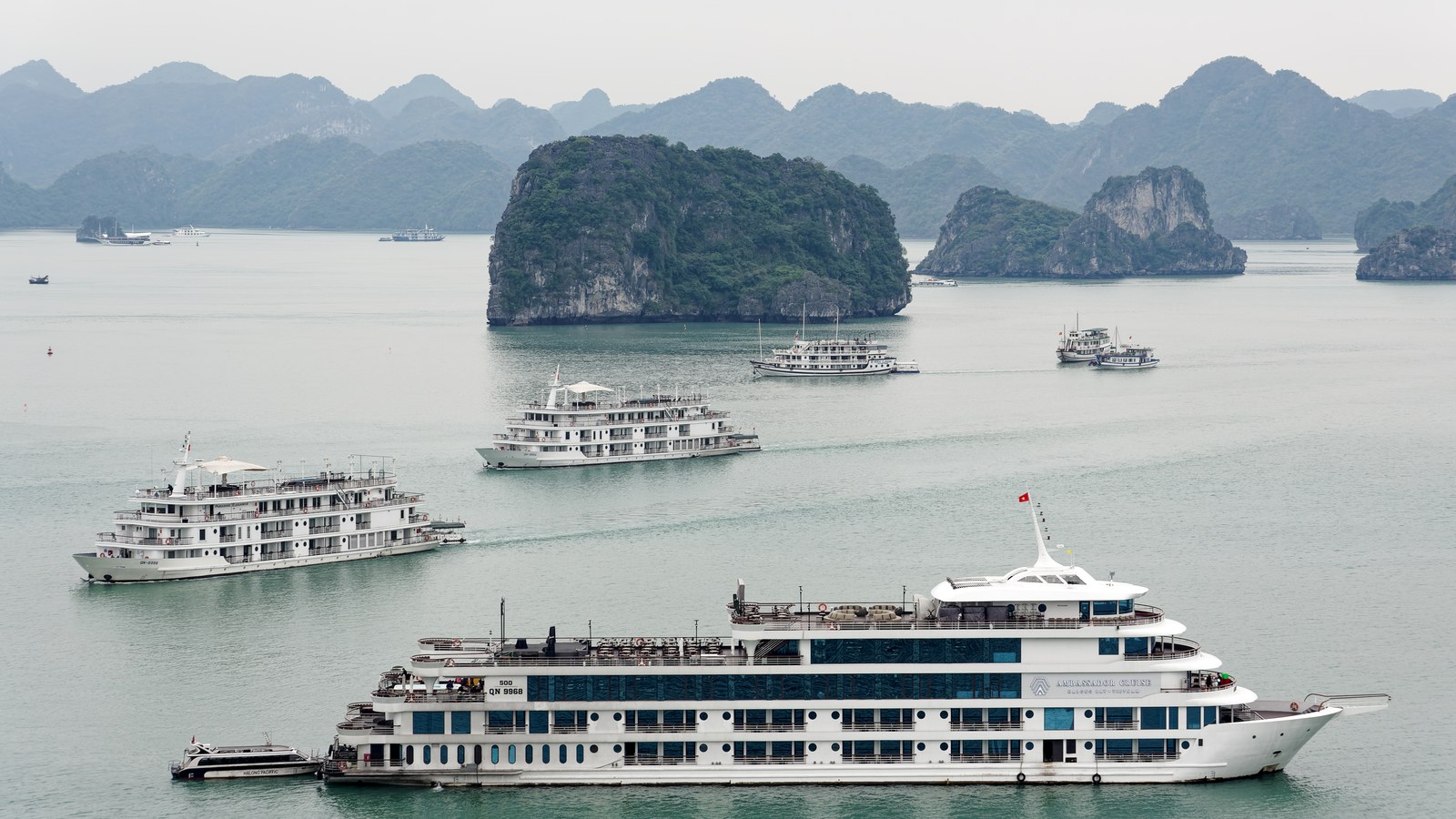
Ha Long Bay, a UNESCO site with about 1,600 limestone islands and islets, photographs best in spring and autumn when haze is lower. Hoi An's lantern-lit old town works in any dry-season month. If one trip must cover the whole country, March, April and November are the months when all three zones are most likely to cooperate.
Practical notes for photographers
Good frames in Asia depend as much on permission and timing as on gear. These notes apply across the list.
Drones and tripods
Several countries on this list require drone registration or a permit before you fly, and temples, palaces and heritage sites often ban tripods or paid shoots without a permit. Treat "no sign posted" as no answer: check the civil aviation authority and the site office before you travel, and ask at the gate.
Light near the equator and in the high mountains
In the tropics, golden hour is short, so be in position before sunrise rather than after it. In the Himalaya and the Tien Shan, the clearest mountain light is usually in the first two hours after dawn, before cloud builds on the ridges.
People and ceremonies
Ask before close portraits, never use flash in ceremonies, and follow local dress codes at temples and mosques. At Luang Prabang's alms ceremony, the rule is distance: photograph from across the street, on your knees or seated, without blocking the monks' path.
Money honesty
This guide gives no hotel or tour prices, because nightly rates swing by season and platform and printed figures go stale fast. Budget by checking live rates for your dates, and treat any guide that quotes a single average nightly price for a whole country as unreliable.
Sources
- Climates to Travel: Singapore climate and rainfall
- Gomayu: Best time to visit Vietnam by region
- VietPower Travel: Vietnam seasons by region
- Bhutan first-time guide citing Department of Tourism rules
- Third Rock Adventures: Bhutan SDF, visa and guide rules
- RoamFeast: Kyrgyzstan trekking permit guide
- RoamFeast: Japan Beyond Tokyo
- Eurasia Travel: Kyrgyzstan border permit FAQ