
The Dominican Republic's quiet beaches take effort, and that is the point. Bahia de las Aguilas needs a boat from a fishing dock inside a national park, Playa Fronton hides under a cliff at the end of the Samana Peninsula, and Playa El Valle sits at the end of a dirt road with rip currents that demand respect. This guide covers seven beaches beyond the resort strips, with honest access, facilities and safety notes, because two of the beaches older lists name do not belong here: one does not exist, and one is a busy town beach.
Quick picks
| Beach | Where | The catch |
|---|---|---|
| Bahia de las Aguilas | Pedernales, southwest | Boat or 4WD track, zero facilities |
| Playa Rincon | Las Galeras, Samana | Rough last stretch of road, or a boat |
| Playa Coson | Las Terrenas, Samana | Atlantic surf and currents on rough days |
| Cayo Arena | Off Punta Rucia, northwest | Boat only, sandbar shrinks and grows with tides |
| Playa Fronton | Las Galeras, Samana | Boat or a 2-hour cliff hike, urchins on the reef |
| Playa El Valle | North of Samana town | Dirt road, strong surf, stay close to shore |
| Playa Grande | Rio San Juan, north coast | A loved regional beach, busy on weekends |
1. Bahia de las Aguilas: the boat-in beach
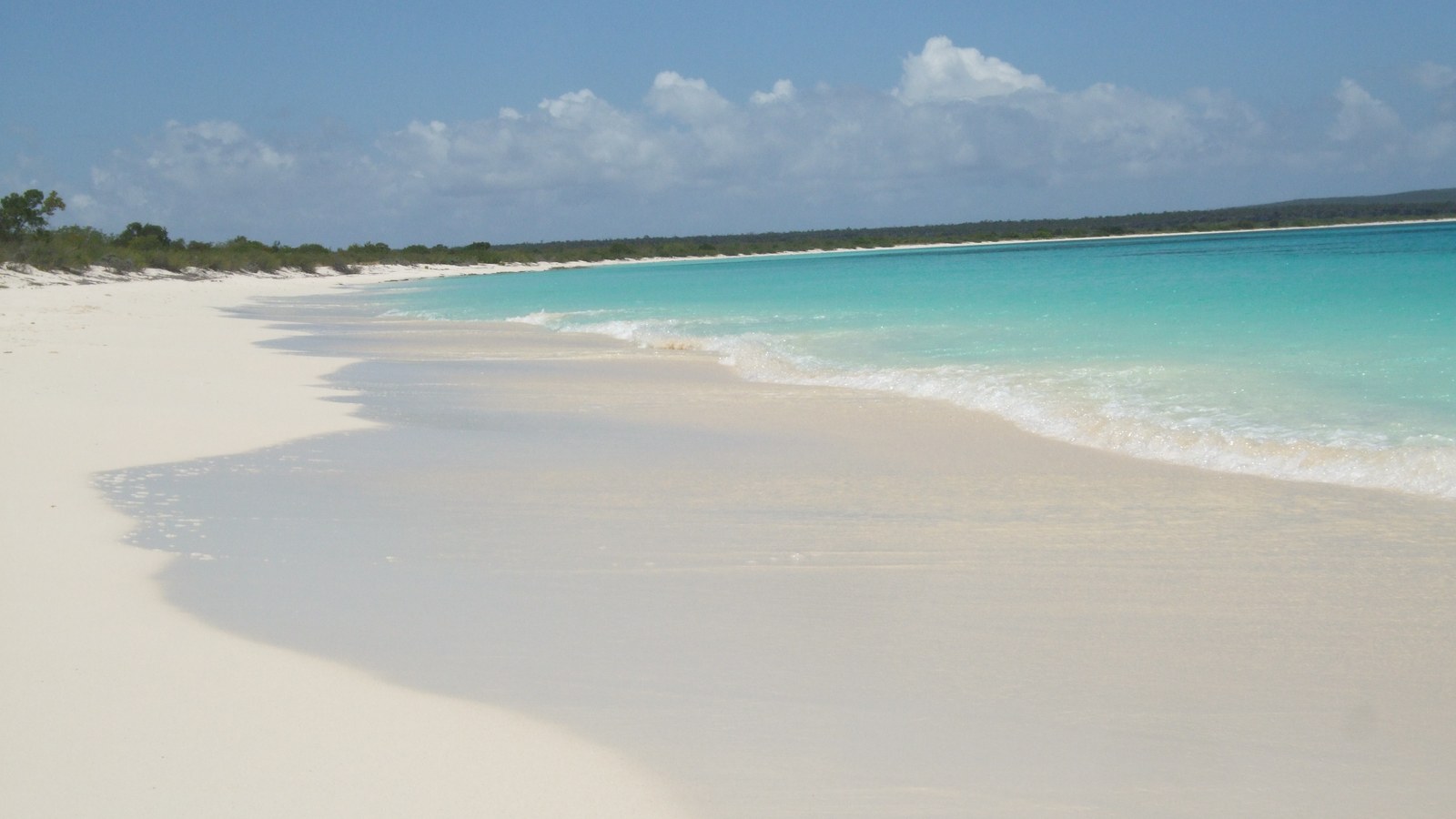
Bahia de las Aguilas, about 8 km of white sand inside Jaragua National Park in Pedernales province, is the country's benchmark wild beach. The normal way in is a 10 to 20 minute boat from the dock at La Cueva near Cabo Rojo; a rough overland track exists for high-clearance 4WD. There is nothing on the beach: no shade, no palms, no vendors, no water, so bring everything and take everything back. The park sits within a UNESCO Biosphere Reserve (not a World Heritage site), the landscape is dry forest rather than tropical green, and turtles nest on these shores. Park entry is a small cash fee in pesos (about RD$150) at the access points. Base yourself in Pedernales: Santo Domingo to the Cabo Rojo area is roughly a 5 to 6 hour drive, and Spanish is essential, because English is rarely spoken this far southwest and tours need arranging in advance.
2. Playa Rincon: Samana's long curve
Playa Rincon, on the north-east coast of the Samana Peninsula near Las Galeras, runs about 5 km of undeveloped white sand, a length the Ministry of Tourism itself cites along with its past ranking by Conde Nast Traveler among the world's most beautiful beaches (Go Dominican Republic, Ministry of Tourism). Reach it by a 15-minute drive from Las Galeras (paved, then dirt) or a 15 to 30 minute boat ride. A couple of simple fish restaurants operate at one end; the Cano Frio river meets the sea at the other, so you can rinse off in cold fresh water after swimming. One end is calm enough for snorkelling, the open side has bodysurfing waves.
3. Playa Coson: the walkable wild one
Coson, 5 to 10 km west of Las Terrenas on Samana's Atlantic coast, is a 5 to 6 km golden strand with two rivers reaching the sea and consistent surf. A handful of small hotels and one beach restaurant sit along it, but most of the beach is undeveloped, and you can walk in along the sand from Playa Bonita. The Atlantic here is honest surf: fun on calm days, with currents that deserve caution when the swell is up. Come by road from Las Terrenas (motoconcho, taxi or rental car); no boat is needed.
4. Cayo Arena: the sandbar, explained properly
Older guides confuse two places, so here is the split. Playa Punta Rucia is a mainland fishing village and a long, calm, shallow bay beach on the north-west coast in Monte Cristi province, reached by road. Cayo Arena, marketed as Paradise Island, is a small offshore sandbar about 25 minutes by boat from Punta Rucia, ringed by a coral reef for snorkelling and shrinking or growing with the tides. Boat tours from Punta Rucia typically add a pass through the mangroves of Montecristi National Park. Go on a weekday morning for the quietest water and the smallest groups.
5. Playa Fronton: the cliff beach
Fronton, east of Las Galeras, is white sand pressed against the foot of a cliff about 90 metres high. You arrive by boat from Las Galeras in 20 to 30 minutes, or on a guided hike of about two hours over the plateau. Climbers come for the cliff, snorkellers for the coral, and everyone should bring reef shoes: the rocks carry sea urchins. There are no facilities. The smaller cove of Playa Madama, usually paired with Fronton on the same boat trip, offers calmer snorkelling.
6. Playa El Valle: wild, and treated that way
El Valle fills a green valley north of Samana town, at the end of about 10 km of dirt road where a 4WD or quad is recommended and rain makes it worse. A few rustic comedores serve fresh fish. The beach is a film location (M. Night Shyamalan's Old was shot here) and a genuine surf beach, but the same Atlantic energy means rip currents: the official Samana tourism brochure itself advises staying close to shore. Swim where locals swim, or do not swim.
7. Playa Grande: the honest favourite
Playa Grande near Rio San Juan is not a secret, and pretending otherwise would be dishonest. It is a long golden Atlantic beach backed by cliffs and hills, loved across the region for its surf and its seafront seafood lunches. Go on a weekday and walk away from the restaurant cluster and it gives you the same wild-coast feeling as the quieter names on this list, with lunch afterwards. The smaller, sheltered Caleton cove nearby is the calm-water option in the same area.
Getting there and entry rules
Every air passenger must complete the free E-Ticket at eticket.migracion.gob.do before entry and again before exit; it produces the QR code airlines and immigration check, and copycat sites that charge for it are scams. The 10 USD tourist card is already included in air tickets bought abroad. Tourists are admitted for 30 days; overstaying without an extension means paying a sliding-scale fee on departure. Santo Domingo to Samana takes under 2 hours on the DR-7 toll highway, plus onward time to Las Terrenas or Las Galeras; the southwest (Barahona, then Pedernales) is a much longer haul, so give Bahia de las Aguilas its own overnight rather than a day dash.
Seasons: hurricanes and sargassum
Atlantic hurricane season runs 1 June to 30 November, with the highest risk from August to October. Sargassum seaweed washes in roughly May to October, heaviest on the east coast around Punta Cana; Atlantic-facing Samana beaches can collect some, while the Caribbean-facing southwest, including Bahia de las Aguilas, usually stays clear year-round. December to April is the reliably clear, calm window everywhere. If a quiet beach is the point of the trip, that window is worth planning around.
Safety, honestly
Assume there are no lifeguards on any beach in this guide, because there are none worth relying on. Atlantic beaches (Coson, El Valle, Playa Grande) carry surf and rip currents; the sheltered water is at Punta Rucia, Rincon's calm end and the southwest. Do not leave valuables unattended on remote beaches or in cars at trailheads. The US State Department rates the country Level 2, Exercise Increased Caution, mainly for crime in cities; road safety is the bigger day-to-day risk on these long drives. For wider context on choosing a beach base, see our roundup of the best beach destinations in the world.
Sources
- Go Dominican Republic: Ministry of Tourism official site
- Direccion General de Migracion: E-Ticket portal
- Visit Cabo Rojo: Jaragua National Park and Bahia de las Aguilas guide
- Wikivoyage: Jaragua National Park
- Wikivoyage: Las Terrenas and its beaches
- US State Department: Dominican Republic travel advisory
- PlanetWare: best beaches in the Dominican Republic
- NOAA National Hurricane Center: Atlantic season dates