
Adventure Travel & Nature
Adventure trips fail on logistics, not scenery, so these guides lead with permits, seasons, fitness and safety. The hub splits into four tracks - hiking and trekking, wildlife and safari, beach and island adventures, and mountain and national parks - covering everything from Everest Base Camp and Ben Nevis to Kruger safaris and Galapagos seasons. Every route, fee and rule is checked against official sources before publication.
Featured Adventure Travel & Nature
 Adventure Travel & Nature
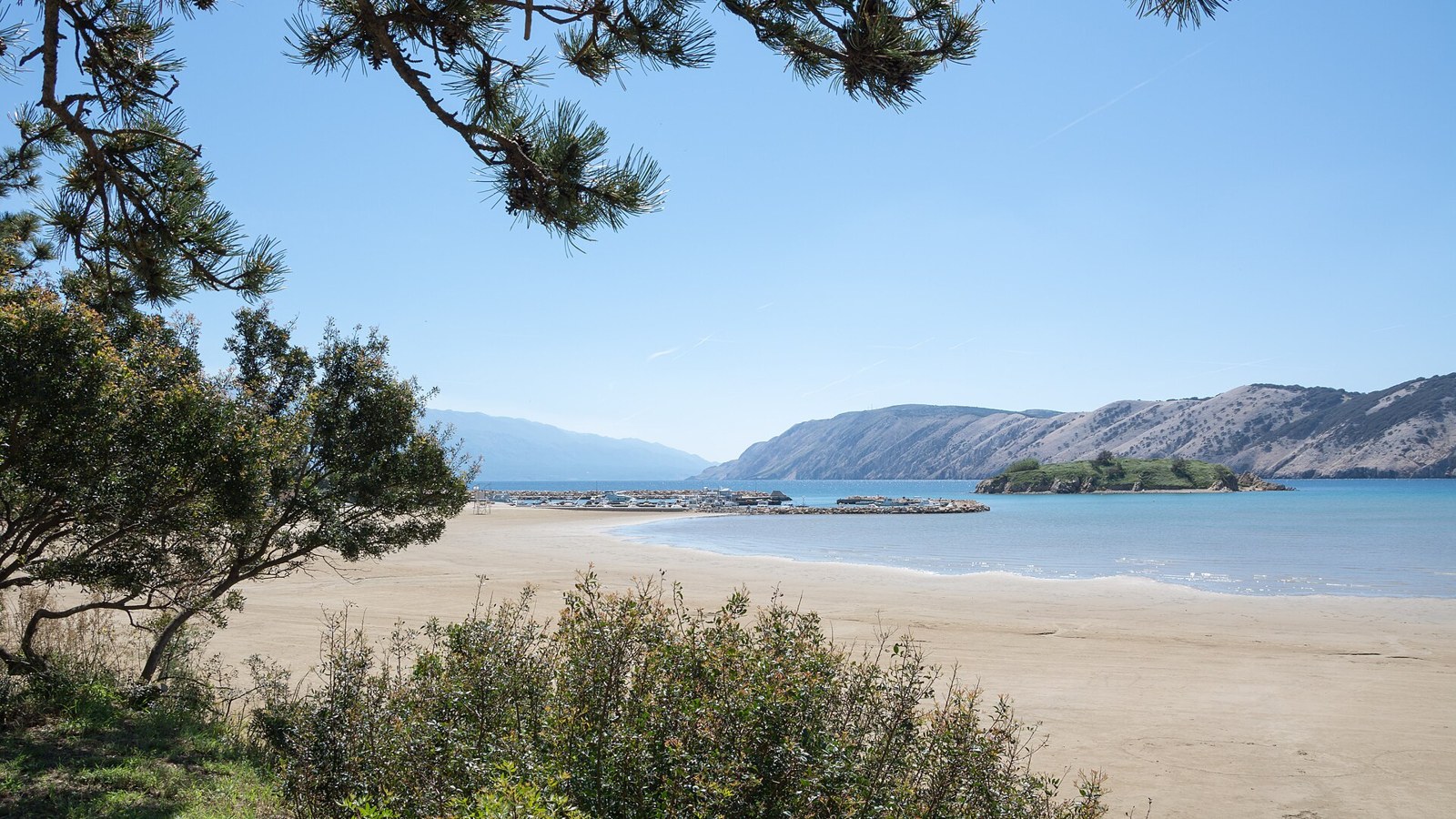
First, the truth about Croatian beaches: most are pebble, not sand, and that is fine, because the family winners are chosen for shallow entries, shade and clear water, not for sandcastles. The real sandy exceptions are Rajska Plaza on Rab (1.5 km of sand, knee-deep for a long way out, the toddler be...
 Adventure Travel & Nature
Latest Adventure Travel & Nature
 Adventure Travel & Nature
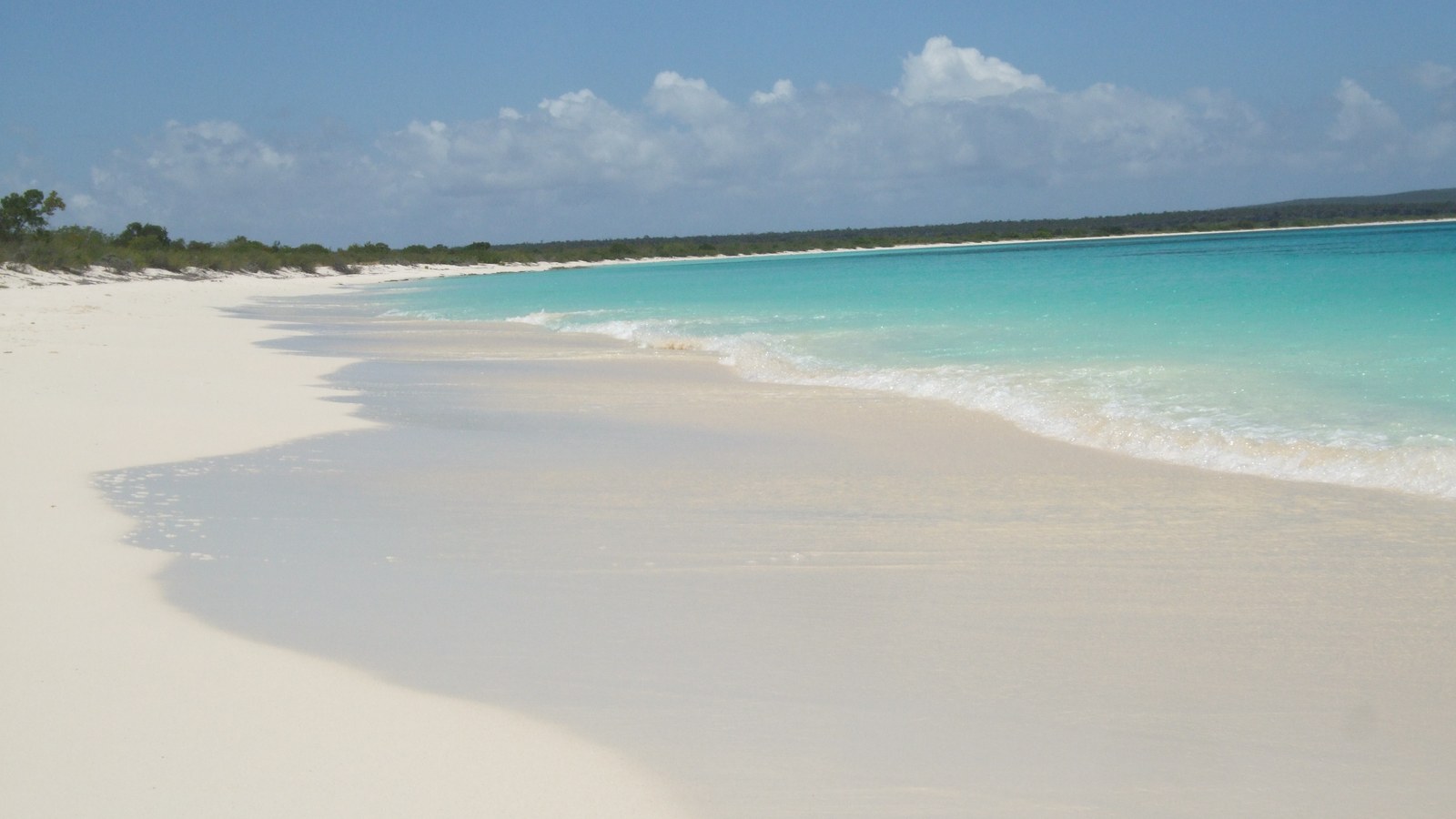
Seven Dominican Republic beaches beyond the resorts, honestly graded: Bahia de las Aguilas by boat, Rincon and Coson on Samana, Cayo Arena's sandbar, cliff-backed Fronton, wild El Valle, and Playa Grande, with real access, entry rules and safety notes.
How We Research Adventure Travel & Nature
Firsthand Research
We explore destinations ourselves, so you get real, on-the-ground insights.
Current Information
We keep our guides updated with the latest travel rules, trends and local advice.
Practical Details
From transport and accommodation to costs, we cover details that matter.
Search Adventure Travel & Nature
Explore Adventure Travel & Nature Topics
Popular Guides
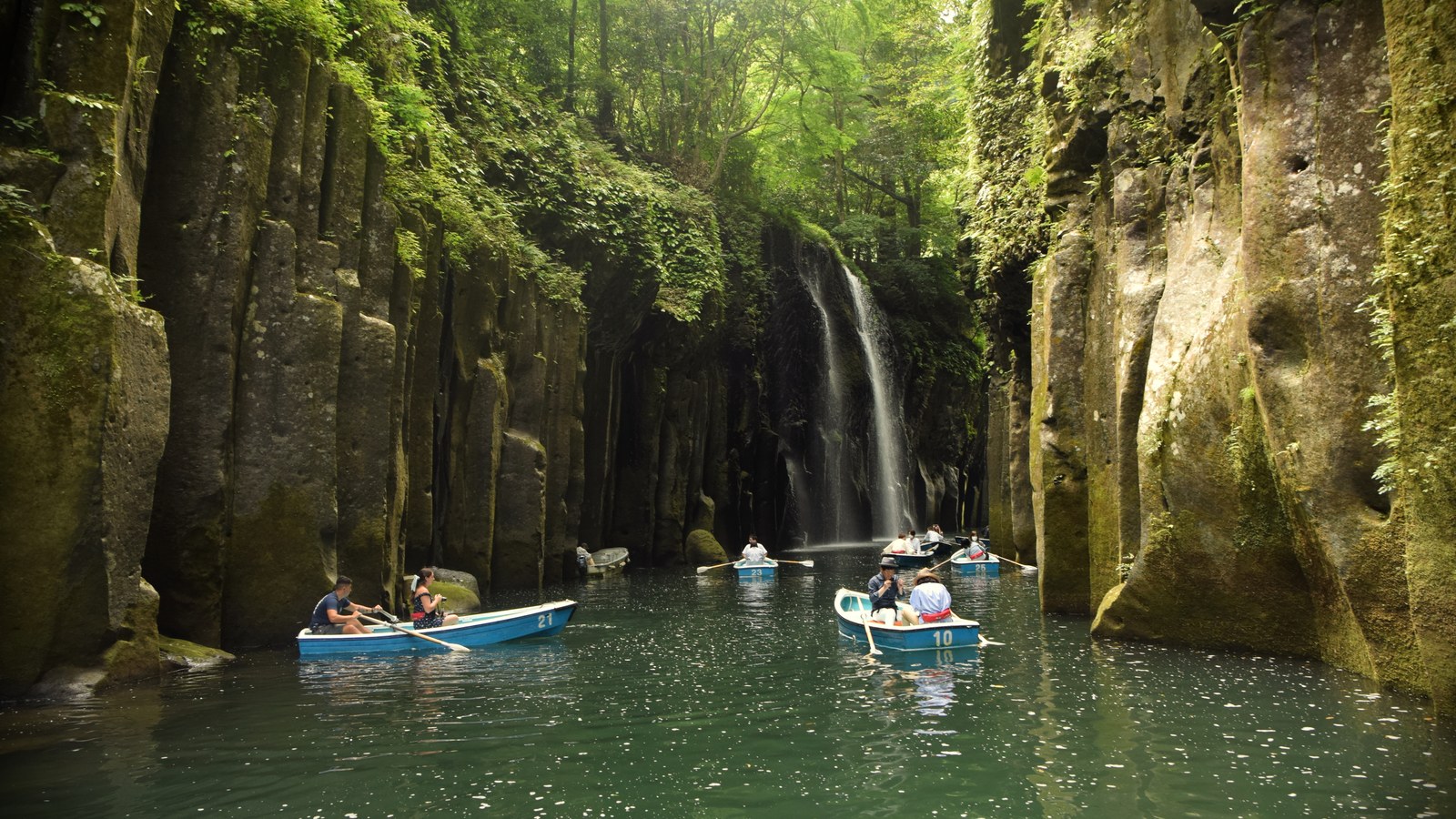
Kyushu Travel Guide: Onsen Towns, Volcanoes and Castles
Apr 22, 2026
Dominican Republic's Quietest Beaches: 7 Worth the Trip
Apr 09, 2026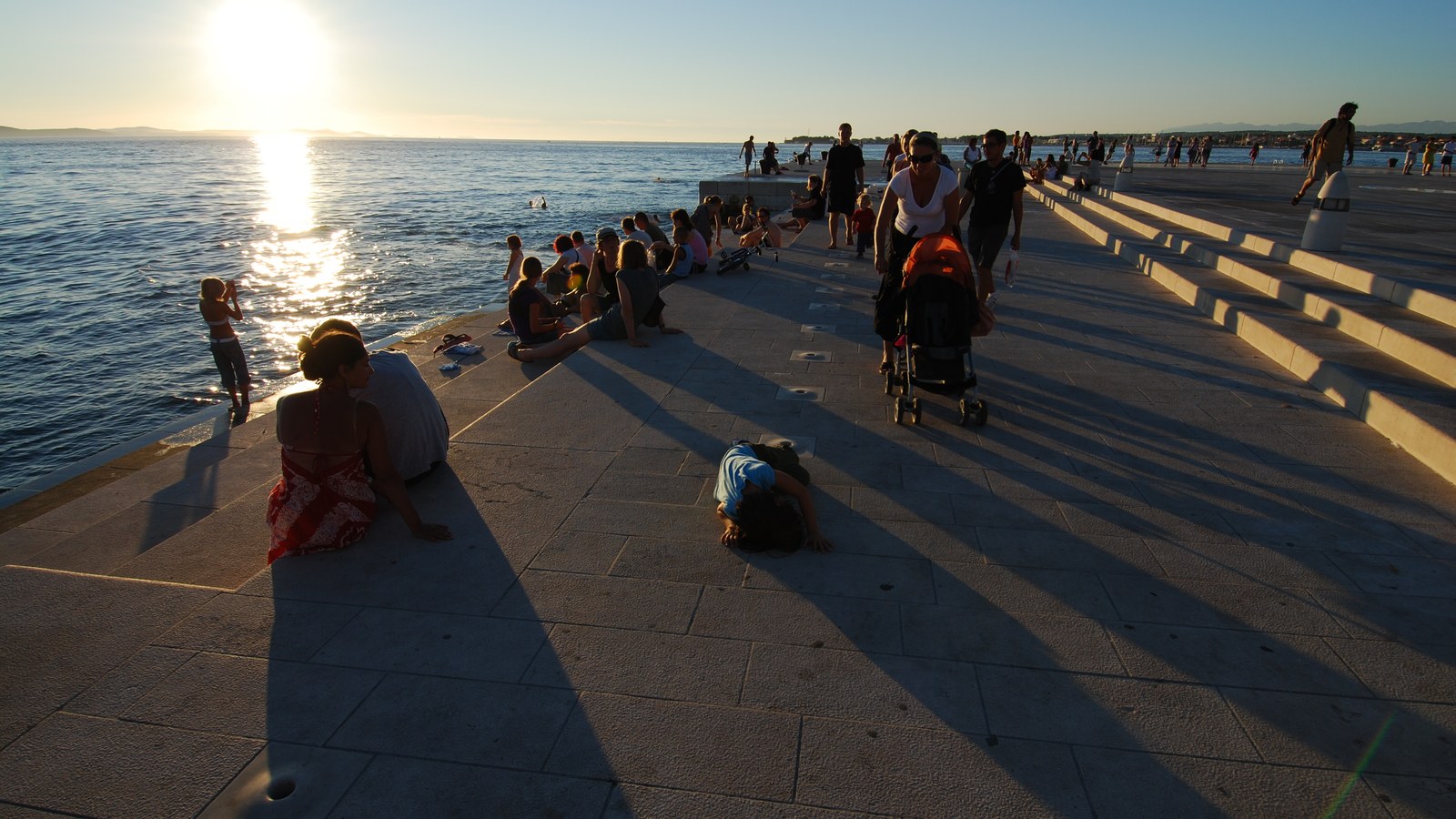
Zadar Travel Guide: Old Town, Islands and Real Prices
Apr 09, 2026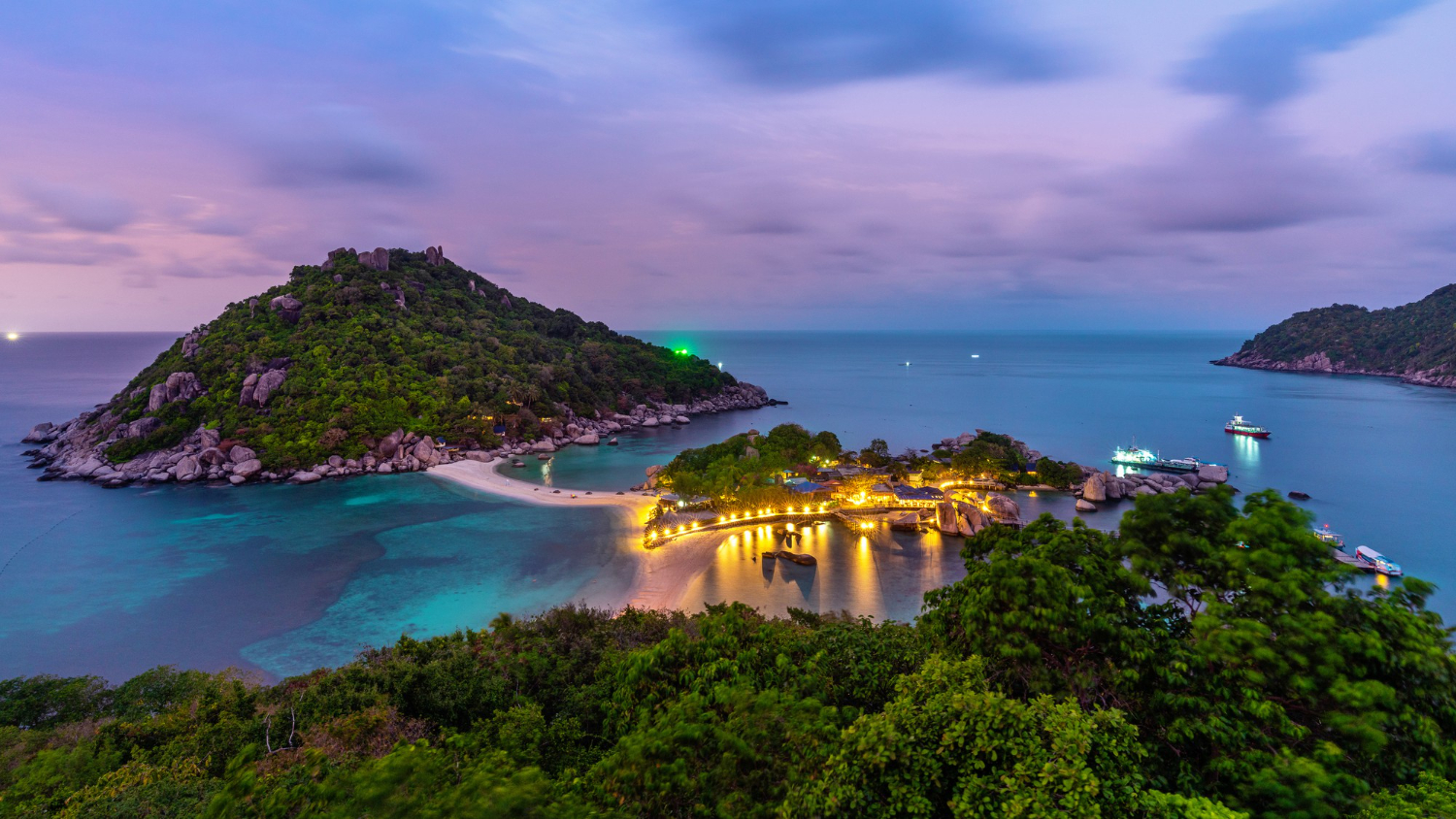
Best Islands in Southeast Asia: Access, Seasons, Costs
Apr 10, 2026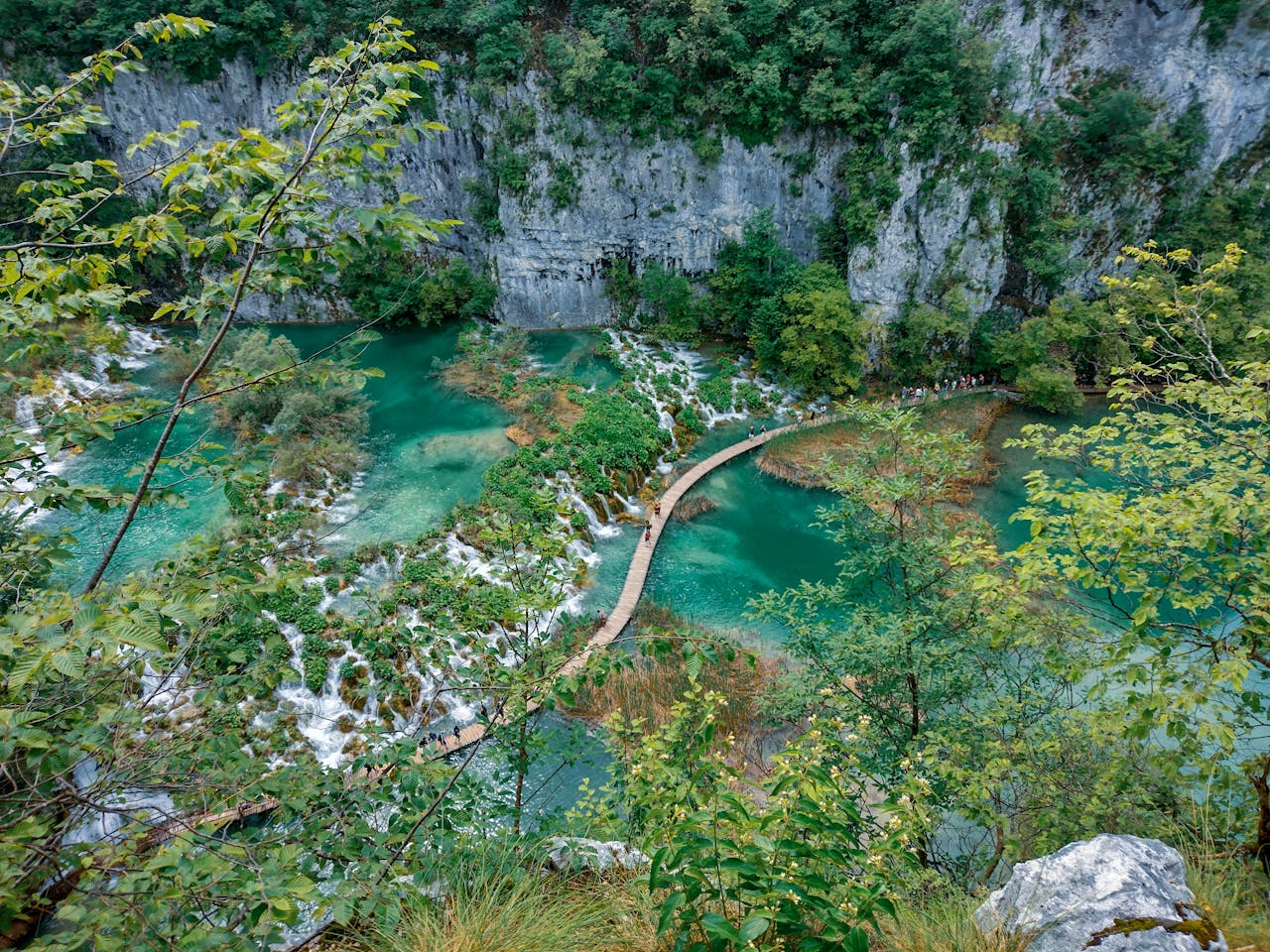
Best National Parks in Europe: 12 Parks, Quiet Months
Apr 12, 2026
Discover the World's Best Festivals
Immerse yourself in vibrant cultures, lively celebrations, and unforgettable experiences globally.

Destination Guides in Your Inbox
Join our newsletter and get the best travel stories, tips and exclusive guides delivered straight to your inbox.
No spam. Unsubscribe anytime.
About Adventure Travel & Nature
The standard in this hub is simple: if a guide tells you a permit price, a park rule or an emergency contact, it was verified at the source. The Everest Base Camp trek guide is the model - it corrects the record on permits (NPR 6,000 for the two real ones, bought in person), prints the Himalayan Rescue Association's altitude rule, and lists only emergency numbers that actually exist.
Closer to sea level, the Ben Nevis guide gives the corrected Mountain Track figures and the summit descent bearings that keep walkers out of Five Finger Gully. Safari, island and national park guides follow the same discipline across the four tracks below.
RoamFeast sells no tours and takes no commissions on these recommendations; the guides exist to make the trip go well.
Frequently Asked Questions
Start with the activity rather than the destination. Decide whether you want hiking, wildlife viewing, camping, water sports, climbing or another outdoor experience, then compare destinations based on season, terrain, accessibility, difficulty, costs, permits, equipment and available guides.
There is no universal best season because outdoor conditions depend on the destination and activity. Hiking may be most comfortable during mild weather, high-altitude trekking may have a short accessible season, and rafting conditions can depend on rainfall and snow-melt. Wildlife trips can also depend on migration, breeding and seasonal animal activity. Check conditions specific to the route and activity before booking.
The best destination depends on the type of hiking you want. Mountain regions are suitable for high-altitude trekking and dramatic terrain, while national parks and forest regions can offer shorter trails and multi-day hikes at lower elevations. When comparing destinations, consider trail difficulty, elevation gain, weather, access, permits and the length of the route.
Packing depends on the activity and environment. Common essentials include suitable footwear, weather-appropriate clothing, navigation equipment, water and food supplies, sun protection, a first-aid kit, personal medication, lighting, communication equipment and appropriate camping or activity-specific gear. Remote trips may require additional emergency and navigation equipment.
Hiking usually refers to walking outdoors on established or relatively accessible trails and can range from a short walk to a full-day outing. Trekking generally describes a longer journey, often involving multiple days and more demanding terrain or remote areas. The terms can overlap, and their exact use varies by region.
Adventure travel can be suitable for beginners when the activity and route match their experience and fitness level. Short hikes, guided nature trips, beginner-friendly camping and easy kayaking are very different from high-altitude trekking, technical climbing or remote expeditions. Check the specific difficulty, elevation, duration and required skills before choosing an activity.
Wildlife destinations vary according to the species and ecosystem you want to see. National parks, savannas, forests, wetlands, marine environments and mountain habitats can each provide different wildlife experiences. The best timing depends on animal behaviour, migration patterns, breeding seasons, weather and local access conditions.
Adventure travel usually emphasises an activity, challenge or outdoor experience, while nature travel focuses more broadly on natural environments and wildlife. The two overlap frequently: a national-park trip can involve hiking, camping and wildlife watching at the same time.