
Beach & Island Adventures
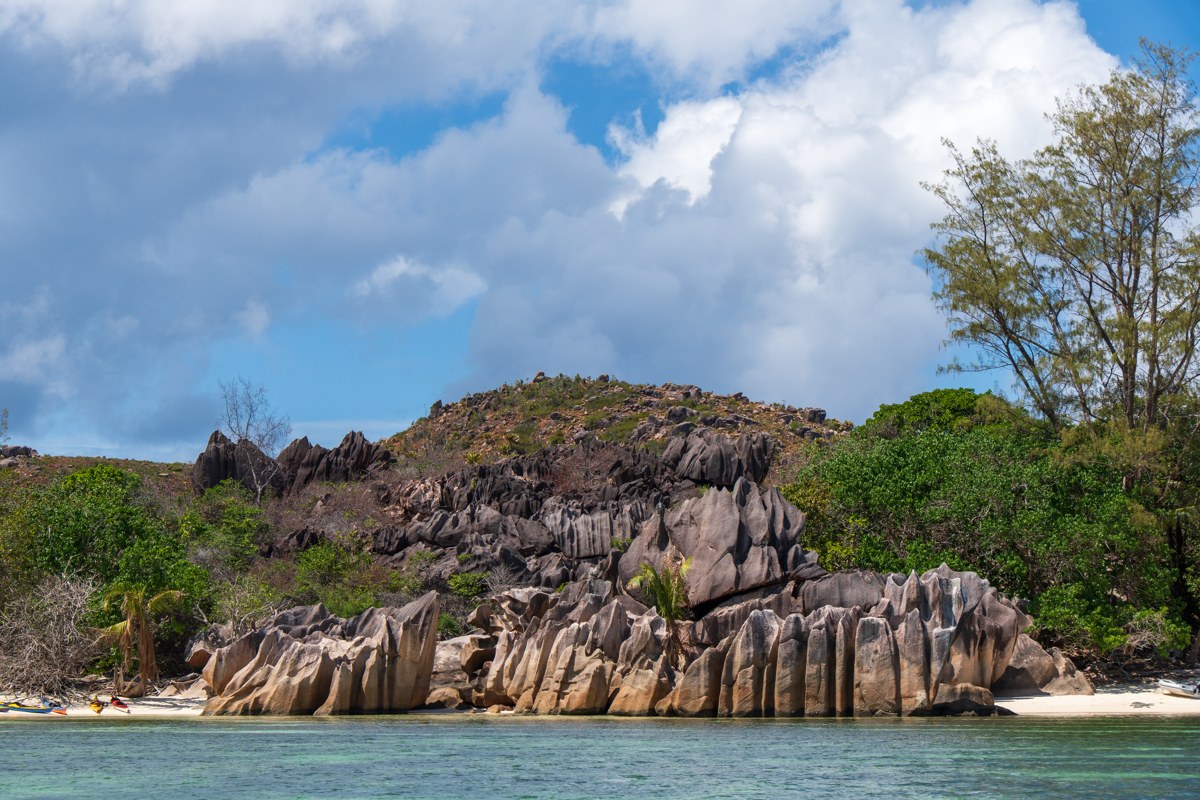
Beach guides for people who move: snorkelling, coastal trails, island interiors and the quieter shore of every famous coast. This track covers Southeast Asia's best islands, Penang, Okinawa, Bali and the Galapagos, Singapore's Coney Island, and the Dominican Republic's calmest beaches - with seasons, swim safety and access details checked against official sources, not brochure copy.
Featured Beach & Island Adventures
 Adventure Travel & Nature
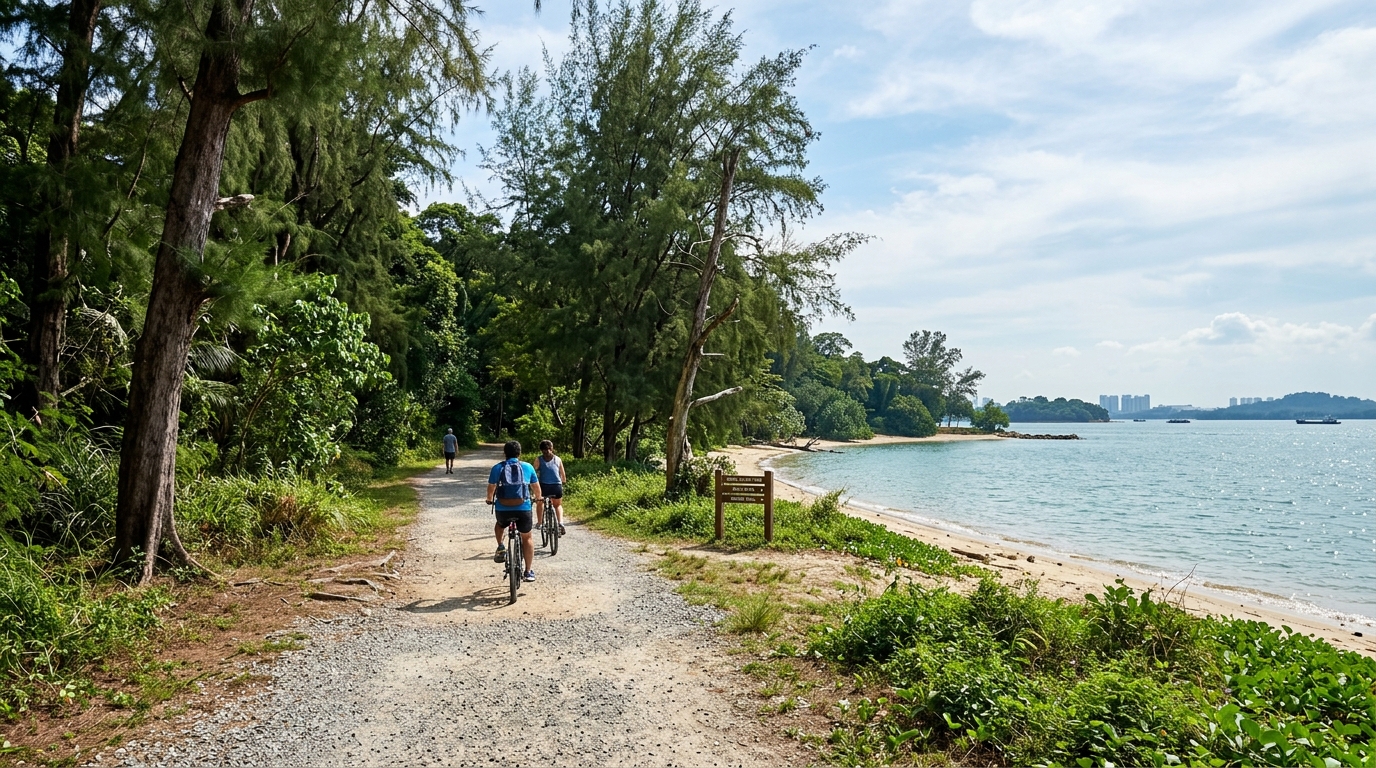
A free island park off Punggol with five beaches, a mangrove boardwalk and 80+ bird species. How to get there, opening hours, and what to do.


Latest Beach & Island Adventures
 Adventure Travel & Nature
Seven destinations, each told by its own authorities: Bali's IDR 150,000 foreign tourist levy (provincial regulation, since February 2024) on top of the IDR 500,000 visa on arrival; Maui corrected to the second-largest Hawaiian island at about 727 square miles (USGS), with timing handed to the rewritten Hawaii guide; Barbados at 166 square miles with its real Welcome Stamp at USD 2,000; Phu Quoc, Vietnam's largest island at 574 square kilometres, with its genuine 30-day visa-free rule for direct arrivals; Santorini honestly labelled, black and red volcanic sand, its Blessing of the Waters on 6 January; Eleuthera's 110 miles with pink sand on the mainland too; and Zanzibar's compulsory ZIC insurance at USD 44 since October 2024. The invented cost snapshots and 30-to-40-percent savings claims are deleted.
 Adventure Travel & Nature
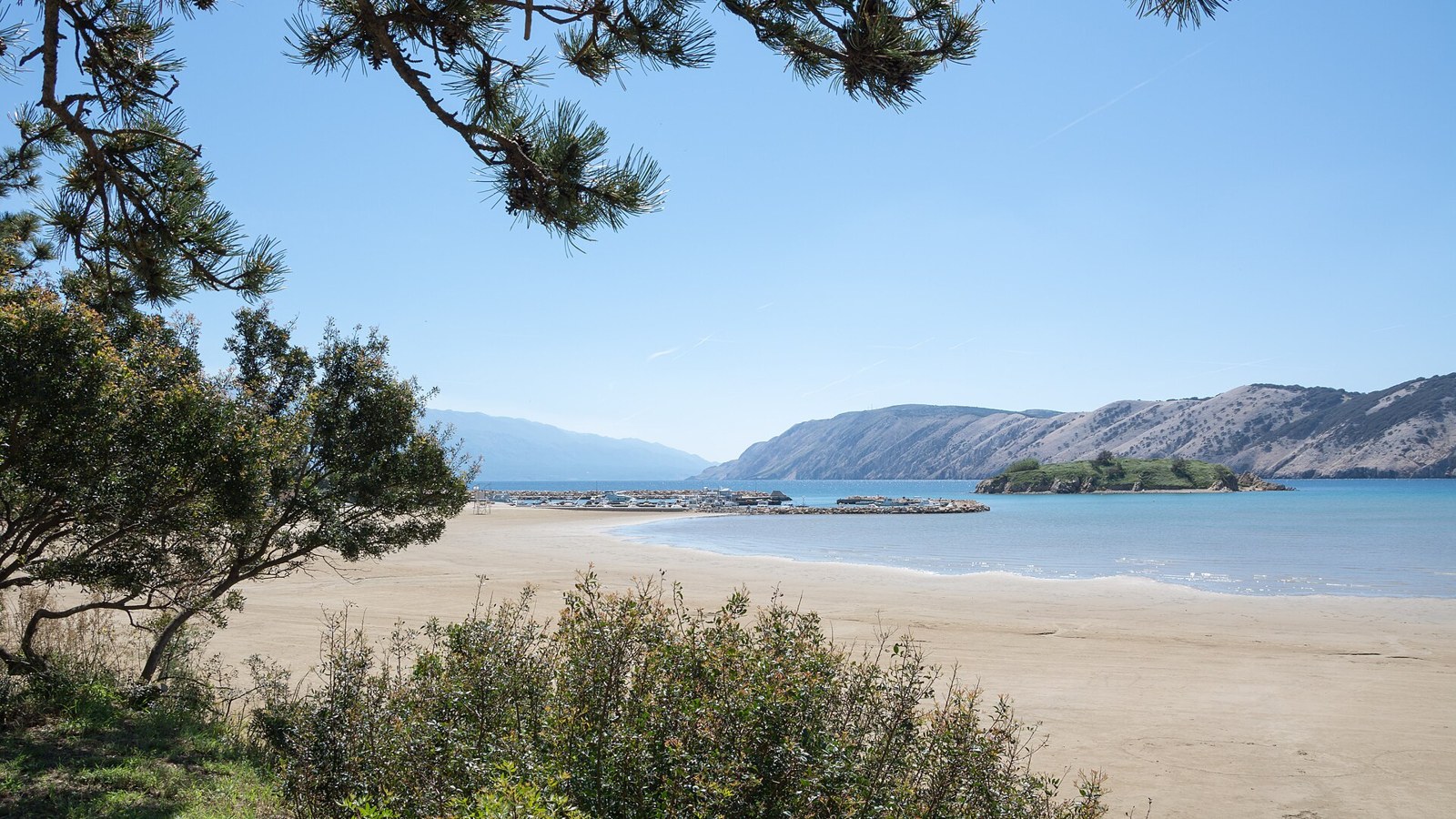
First, the truth about Croatian beaches: most are pebble, not sand, and that is...
 Adventure Travel & Nature
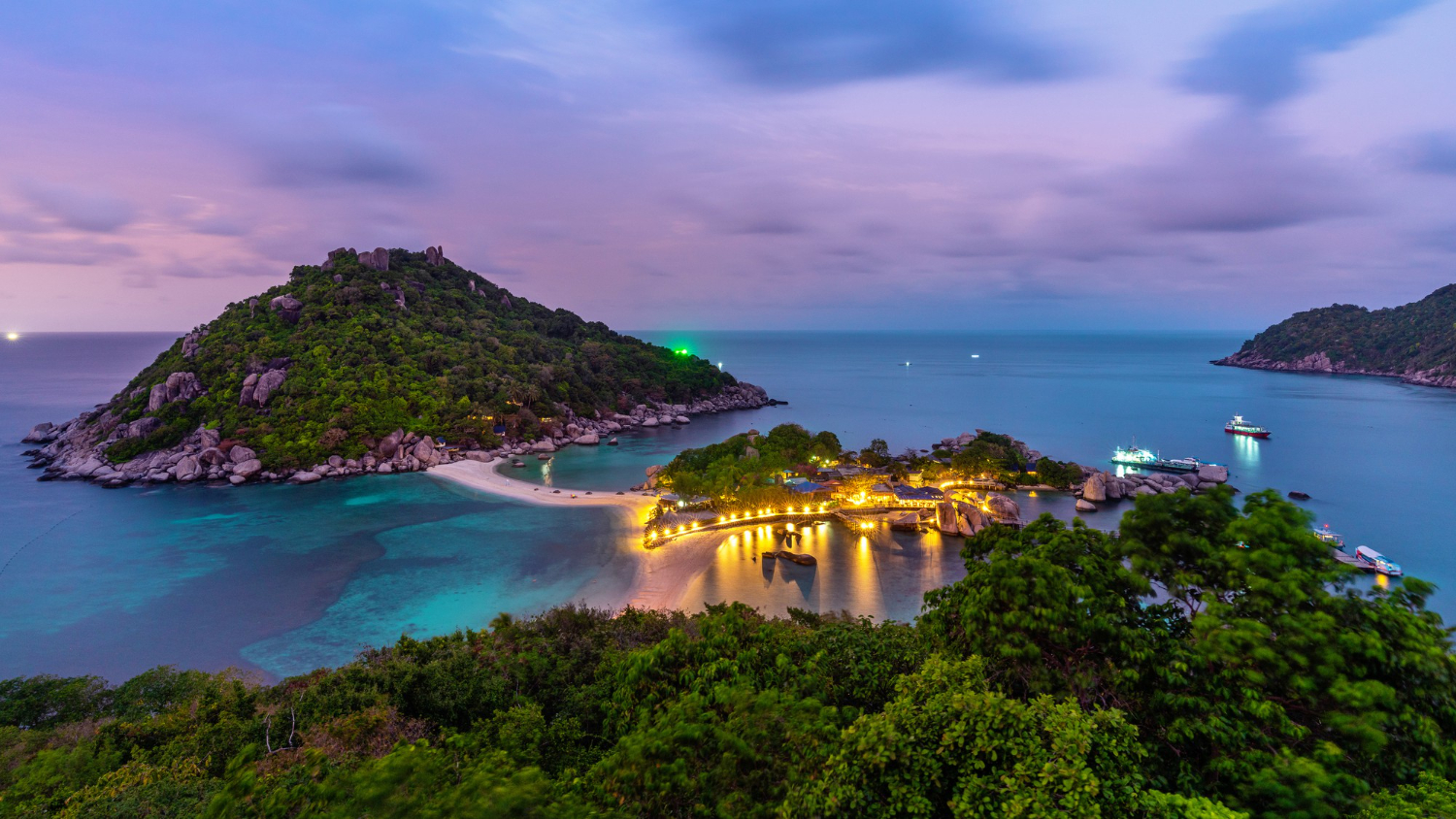
Eight Southeast Asia islands compared on the things that decide a trip: how you actually get there, when the dry season falls, how busy each island gets, and which entry rules and fees really apply.
 Adventure Travel & Nature
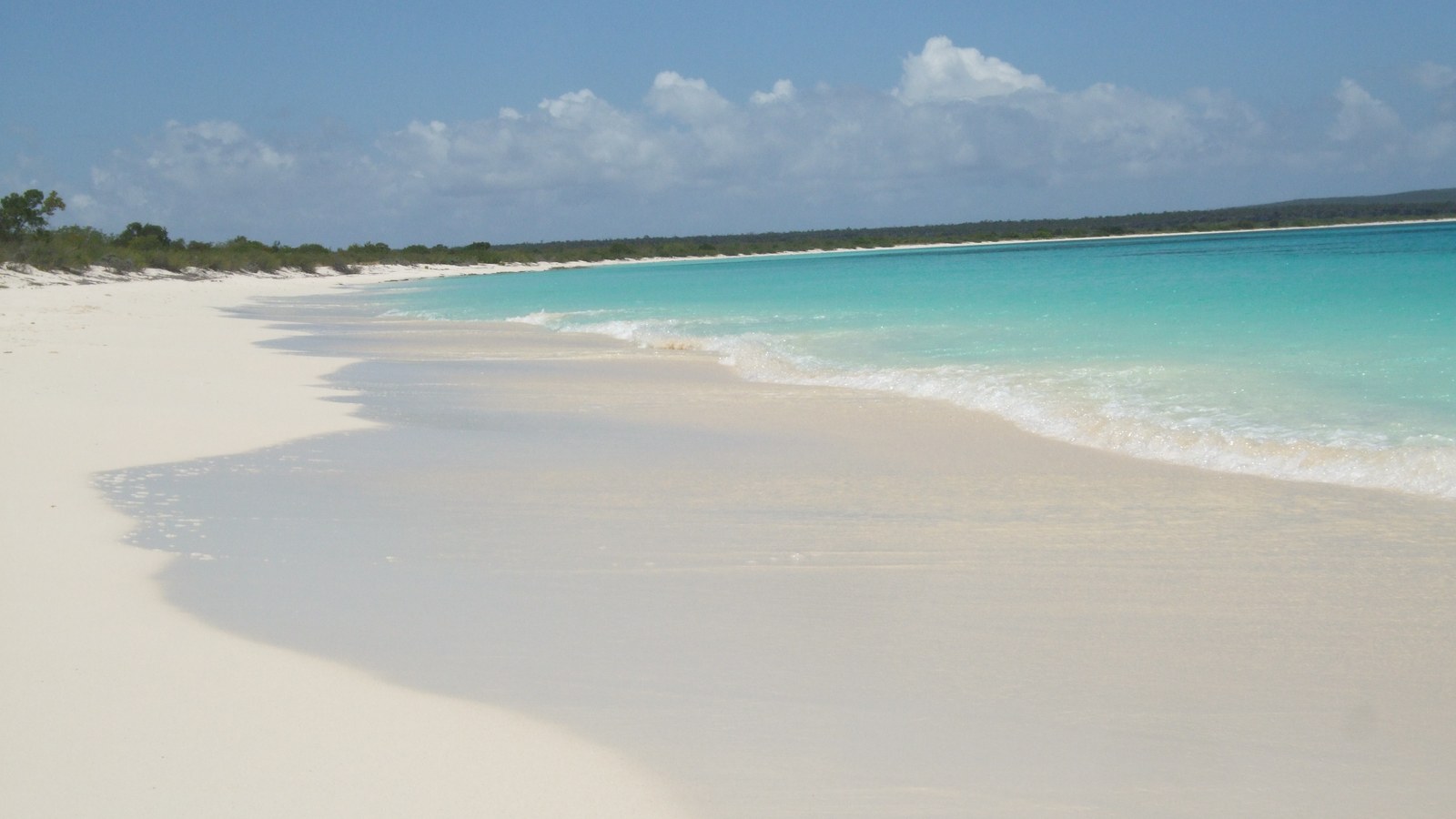
Seven Dominican Republic beaches beyond the resorts, honestly graded: Bahia de las Aguilas by boat, Rincon and Coson on Samana, Cayo Arena's sandbar, cliff-backed Fronton, wild El Valle, and Playa Grande, with real access, entry rules and safety notes.
How We Research Beach & Island Adventures
Firsthand Research
We explore destinations ourselves, so you get real, on-the-ground insights.
Current Information
We keep our guides updated with the latest travel rules, trends and local advice.
Practical Details
From transport and accommodation to costs, we cover details that matter.
Search Beach & Island Adventures
Popular Guides
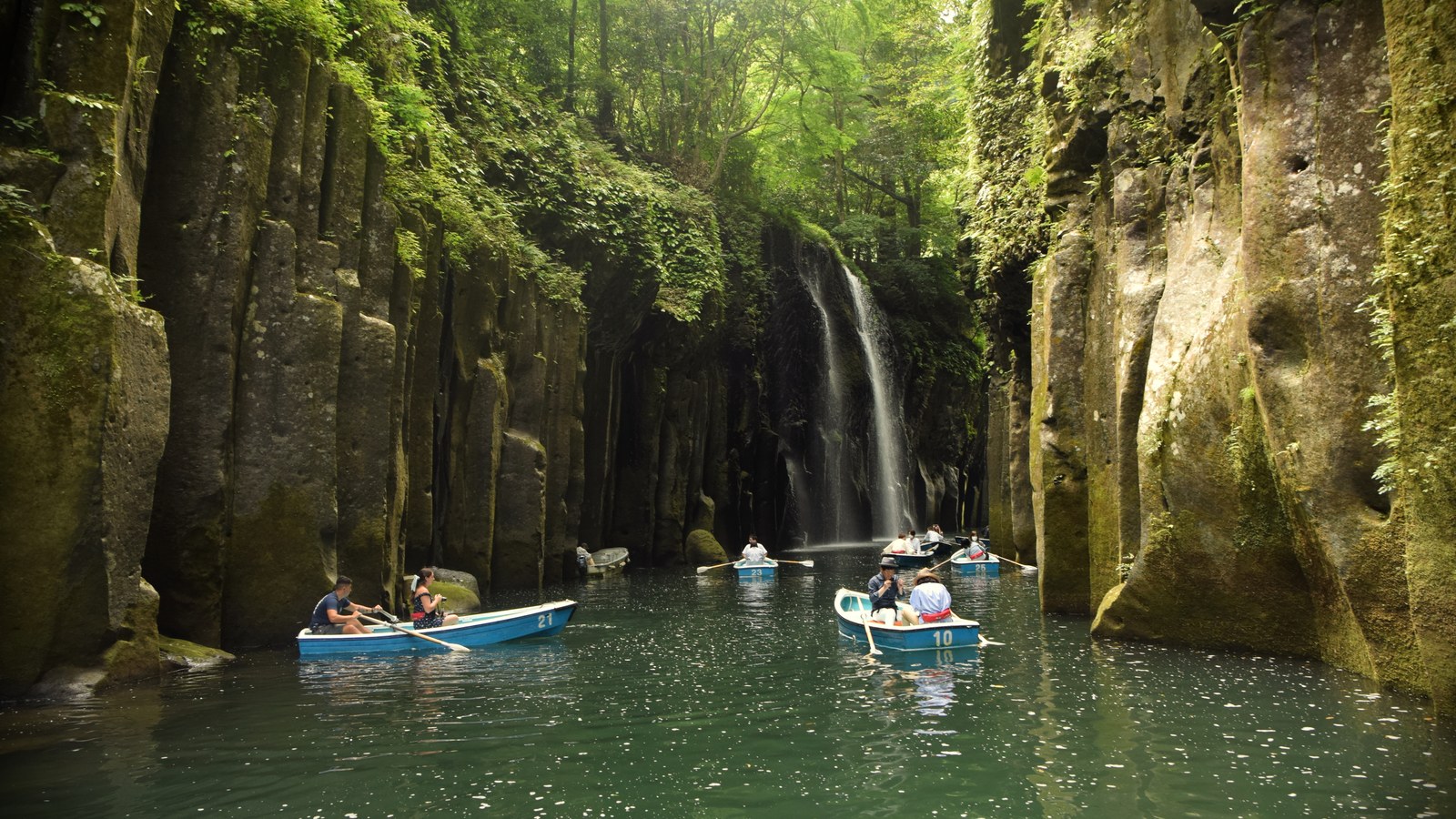
Kyushu Travel Guide: Onsen Towns, Volcanoes and Castles
Apr 22, 2026
Dominican Republic's Quietest Beaches: 7 Worth the Trip
Apr 09, 2026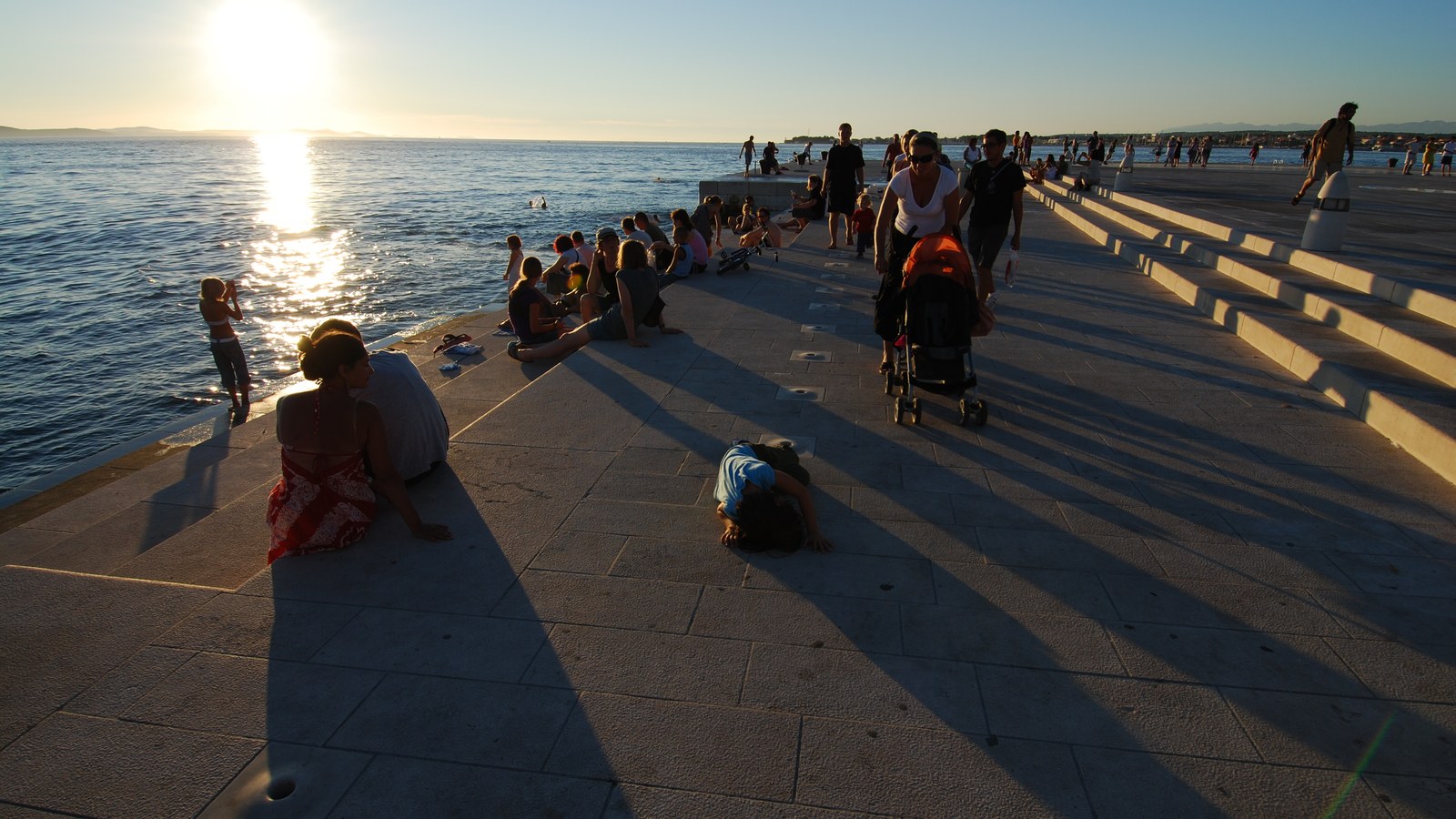
Zadar Travel Guide: Old Town, Islands and Real Prices
Apr 09, 2026
Best Islands in Southeast Asia: Access, Seasons, Costs
Apr 10, 2026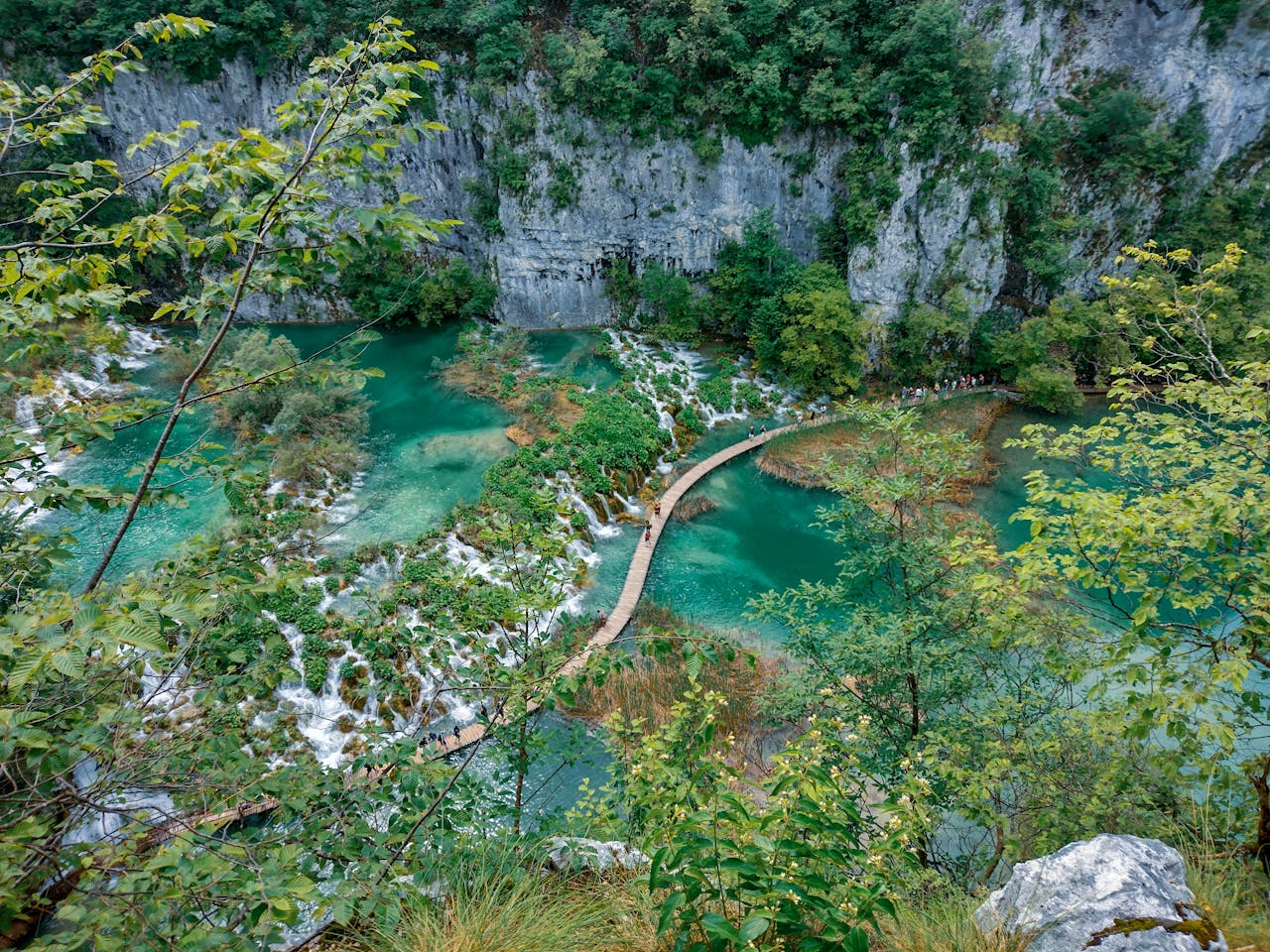
Best National Parks in Europe: 12 Parks, Quiet Months
Apr 12, 2026
Discover the World's Best Festivals
Immerse yourself in vibrant cultures, lively celebrations, and unforgettable experiences globally.

Destination Guides in Your Inbox
Join our newsletter and get the best travel stories, tips and exclusive guides delivered straight to your inbox.
No spam. Unsubscribe anytime.
About Beach & Island Adventures
Start with the regional flagship: the best island destinations in Southeast Asia guide compares islands by season, access and character. The places to go in Penang guide then goes deep on one island - heritage streets, hawker food and the honest truth about where you can and cannot swim.
Japan's island prefecture is covered in the Okinawa travel guide, from the rebuilt Shurijo Castle to the Kerama day trips, and the Caribbean appears through the Dominican Republic's quietest beaches. Swim safety is stated plainly in every guide: a beautiful beach you should not swim at is labelled as one.
Seasons decide everything in this track, so each guide leads with its best months and its weather evidence.
Frequently Asked Questions
The best time depends on the destination and the type of trip you want. Weather patterns, rainfall, humidity, sea conditions, tides, water visibility, and seasonal events can all affect a coastal trip. Diving, surfing, sailing, and wildlife watching may each have different ideal periods.
Consider the island's climate, accessibility, beaches, water conditions, activities, accommodation, transport, costs, medical facilities, and how developed the destination is. A remote island can offer a quieter experience but may require more planning and have fewer services.
A long weekend can work for a compact island with convenient transport, while 5 to 10 days may be more practical for larger islands or trips involving several locations. Travel time between islands should be included when planning an island-hopping itinerary.
Common activities include swimming, snorkeling, scuba diving, surfing, kayaking, paddle-boarding, sailing, fishing, boat tours, coastal hiking, island hopping, wildlife watching, and beach activities. The available options depend on local conditions and regulations.
Snorkeling can be suitable for beginners when the water is calm and the location has appropriate conditions. Beginners should use properly fitting equipment, understand basic water safety, and avoid entering areas with strong currents, heavy boat traffic, or unsuitable sea conditions.
Morning is often a practical choice because wind and waves can increase later in the day at some coastal locations. However, conditions vary by destination, and tides, currents, visibility, marine activity, and local tour schedules can be more important than the clock.
Useful items can include swimwear, sun protection, lightweight clothing, comfortable footwear, a reusable water bottle, dry bags, insect repellent where appropriate, personal medication, and waterproof protection for electronics. Activity-specific equipment may be available locally or supplied by tour operators.
Many are, but suitability depends on water conditions, beach access, accommodation, healthcare availability, transport, and activities. Families should pay particular attention to currents, waves, tides, supervised swimming areas, and age restrictions for water excursions.
Beginner diving can be available through certified dive operators that provide introductory or entry-level experiences. Requirements vary by activity and location, and some diving conditions are better suited to experienced divers. Certification requirements should be checked before booking.
Follow local warnings, lifeguard instructions, and operator guidance; avoid swimming in prohibited areas; pay attention to currents and tides; and use appropriate flotation or safety equipment when required. Conditions can change quickly, particularly around exposed coastlines and during storms.
Check transport frequency, weather-related disruptions, accommodation availability, food and water supplies, medical facilities, payment methods, communications, and emergency arrangements. Remote destinations can have fewer alternatives when a ferry or flight is cancelled.