
The short answer
Choose Tromso for the easiest all-round Arctic city break, Abisko for a small and dark base known for clearer local skies, Rovaniemi for a family-friendly Lapland trip, or Iceland for an aurora search combined with a wider road itinerary. In every destination, you still need darkness, a break in the clouds and enough auroral activity. No destination can guarantee a sighting.
Tromso, Abisko, Rovaniemi or Iceland: which is best?
| Base | Official viewing season | Best fit | Main strength | Main tradeoff |
|---|---|---|---|---|
| Tromso, Norway | Late August to early April | First visit and short city break | Arctic city services with access to darker surroundings | Coastal cloud can hide the sky |
| Abisko, Sweden | Late August to April, with mid-November to mid-March highlighted by local station | Travellers who put dark skies first | A local clear-sky pattern known as the Blue Hole | Smaller base with fewer city comforts |
| Rovaniemi, Finland | Late August to early April | Families and mixed winter activities | Convenient Lapland base with many daytime options | Town lighting means a darker edge-of-city location is better |
| Iceland | September to April | Scenery and a flexible road itinerary | Many possible viewing settings across one country | Cloud, wind and winter road conditions can disrupt plans |
Our overall pick: Tromso is the simplest choice if this is your first aurora trip and you want an easy base with indoor alternatives. Abisko is the more focused choice when a quiet setting and local clear-sky reputation matter more than urban variety.
When is the best time to see the northern lights in Europe in 2026?
Plan between September 2026 and March 2027, then stay for several nights. This period gives all four destinations properly dark evenings. Late August and early April can work in some locations, but darkness is more limited and changes quickly with latitude.
Do not select one exact date because an app shows a strong long-range aurora number. Cloud forecasts become more useful close to the night, while solar conditions can change. Build a trip that remains worthwhile if the sky stays quiet.
September and October
Good for travellers who want darkness without the deepest winter. Snow cover and winter activities are not assured early in the season.
November to January
Long nights create a wide viewing window. Expect colder conditions, limited daylight and busy holiday periods in some bases.
February and March
A strong balance of dark evenings and returning daylight. The Finnish Meteorological Institute specifically identifies March and early April as the best period in northern Finland when weather is considered.
Important: 2026 is not a guaranteed aurora year. NASA and NOAA announced that Solar Cycle 25 had reached its maximum phase in October 2024. Solar activity can remain substantial after a peak, but your view on any night still depends on local darkness, cloud and current space weather.
What are the northern lights, and what causes them?
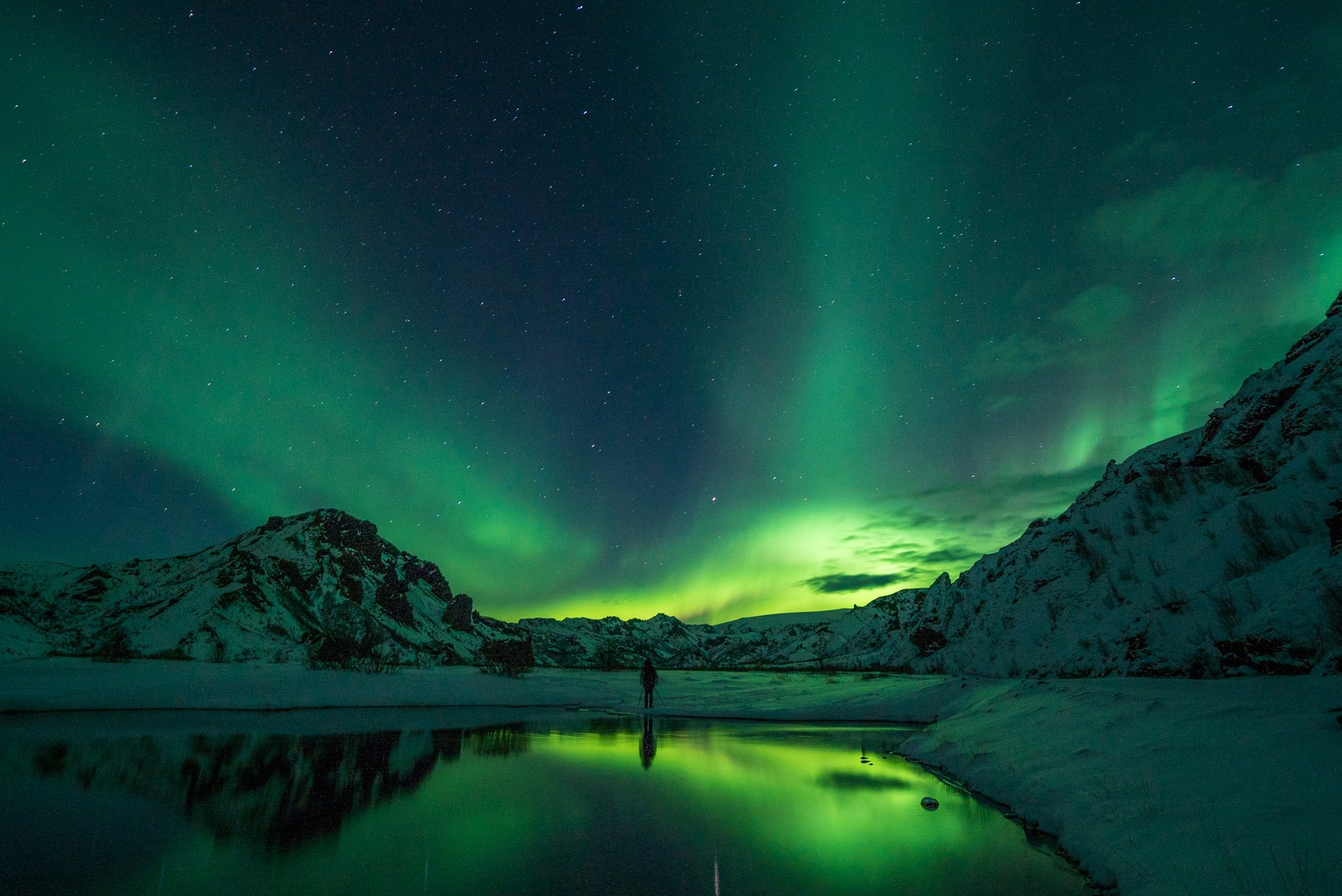
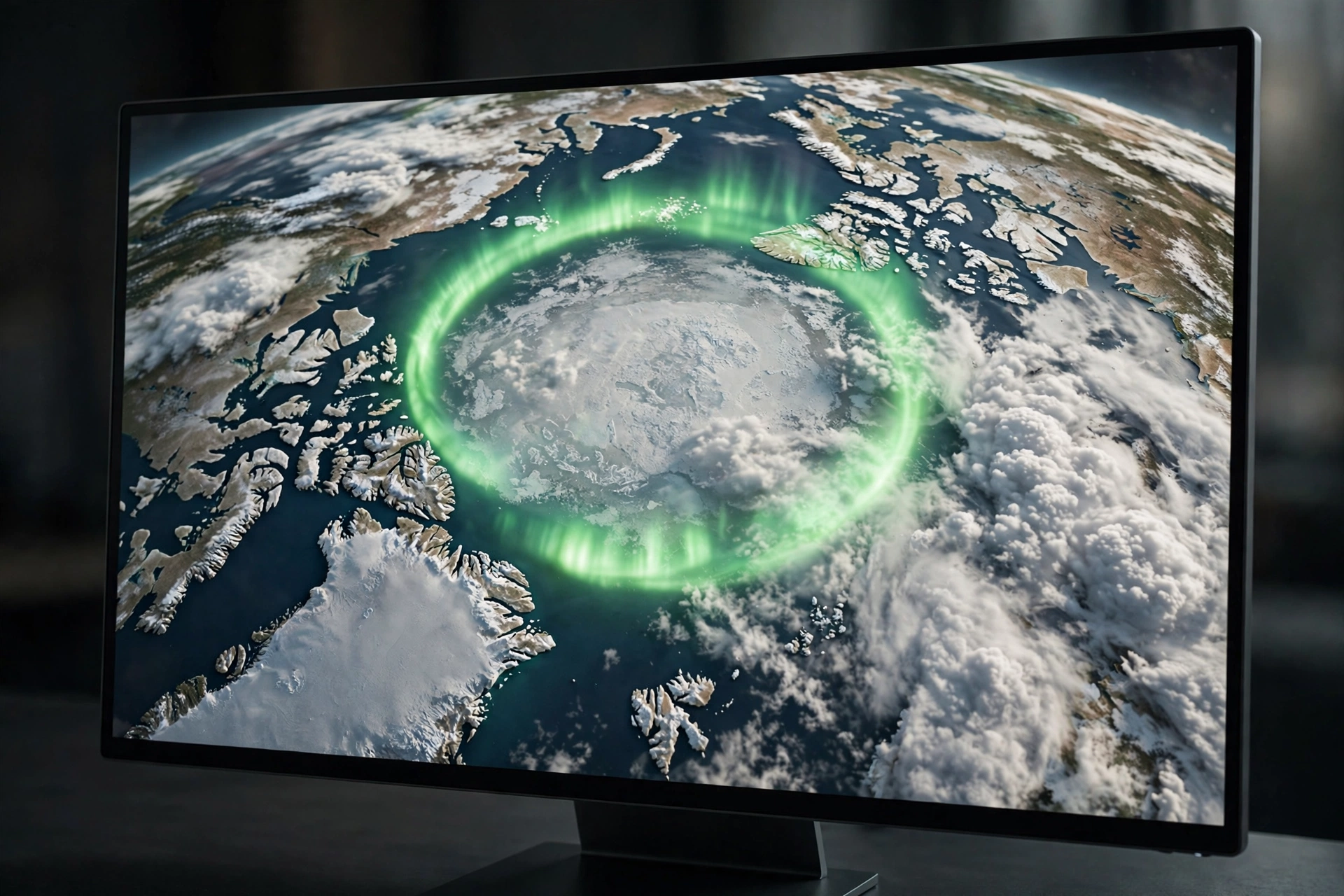
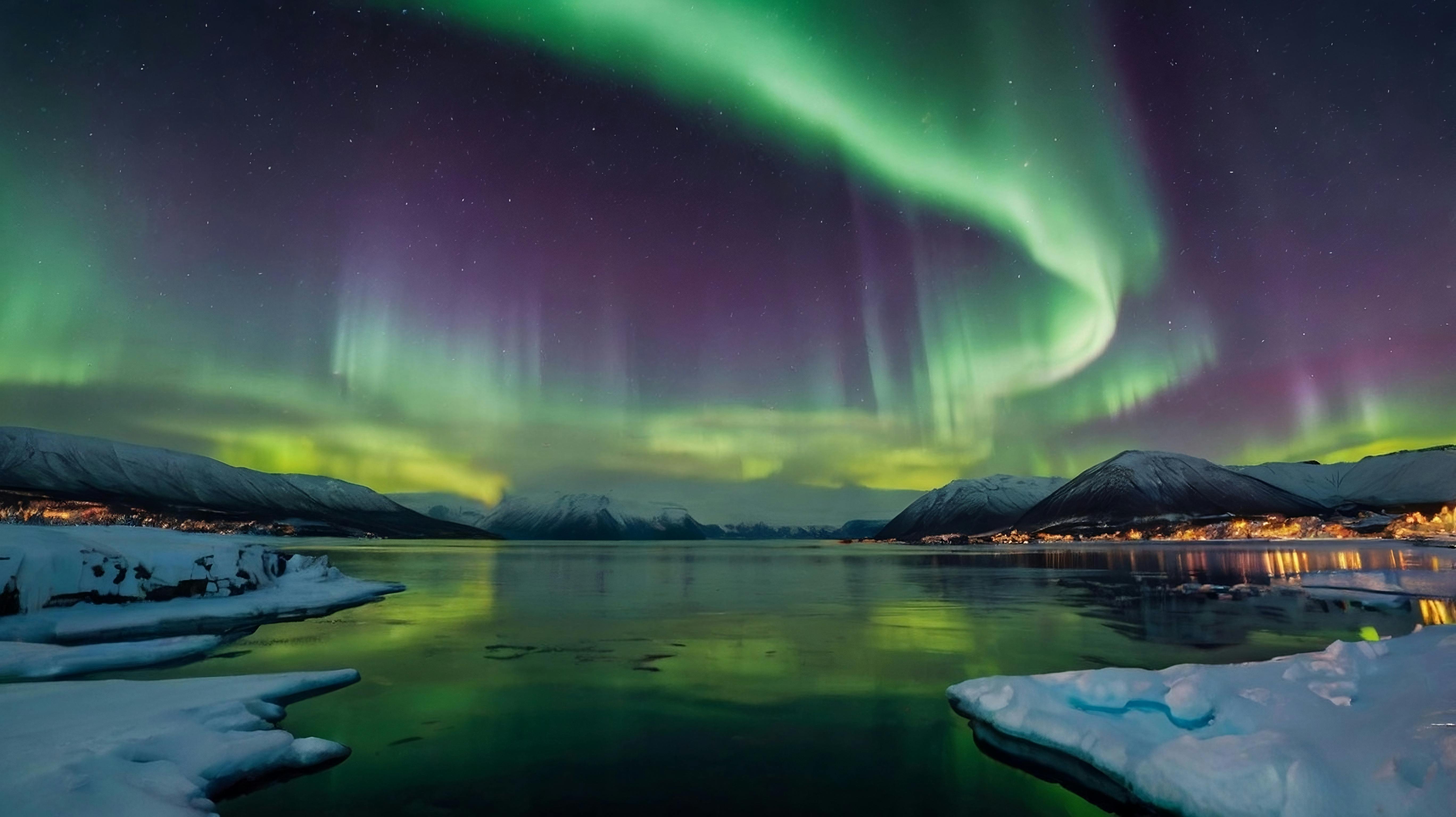
The northern lights, or aurora borealis, are light produced when energetic particles interact with gases in Earth's upper atmosphere. Earth's magnetic environment guides much of that activity toward high latitudes. Oxygen commonly contributes green and red light, while nitrogen can contribute blue and pink tones.
That science explains why the best places to see northern lights are usually at high northern latitudes, but latitude alone is not enough. A bright display behind solid cloud is invisible from the ground.
How to use a northern lights forecast without being misled
Check cloud cover first, auroral activity second and road safety before moving. A northern lights map can show where activity may occur, but it cannot see through cloud or make an unsafe road suitable for driving.
- Three to five days before: follow the local weather service for cloud, wind, snow and warnings. Treat this as planning guidance, not a final verdict.
- On the day: compare hourly cloud layers across safe, reachable locations. A nearby clear patch can matter more than a higher Kp value.
- One to two hours before: check the NOAA 30-minute aurora forecast. It models the auroral oval over the next 30 to 90 minutes.
- At the location: give your eyes time to adjust, avoid bright screens and scan a broad area of sky. Faint aurora may first look grey to the eye while a camera records more colour.
What does the Kp index mean?
The Kp index is a planetary measure of geomagnetic activity from 0 to 9. It is not a percentage chance of seeing the lights at your exact location. High-latitude destinations may see aurora during modest activity, while a high Kp forecast is still useless beneath thick cloud. Never publish a made-up sighting probability based on Kp alone.
Which forecast should you use?
- Iceland: the Icelandic Meteorological Office aurora forecast combines a cloud map with an activity scale. On its map, green means cloud and white means clearer sky.
- Rovaniemi: use the Finnish Meteorological Institute aurora and space weather service alongside the local weather forecast.
- Tromso: use hourly cloud data from a local weather service and the short-range NOAA aurora map. The official destination guidance says sightings are never guaranteed.
- Abisko: combine the Swedish weather forecast with local conditions. The Blue Hole is a useful local pattern, not a promise of clear sky every night.
Best places to see northern lights in Europe
1. Tromso, Norway: best all-round first trip
Choose Tromso if you want the easiest balance of aurora access, restaurants, transport and indoor backup plans. Visit Tromso gives an official season from late August to early April and says activity is often strongest between about 20:00 and 02:00, although it can appear at any time during a dark night.
The city itself creates light pollution, so a darker location outside the brightest streets is better. Coastal weather is the main weakness. If cloud covers one area, mobility can help, but do not improvise roadside stops. Official guidance warns drivers to avoid blind bends, respect resting places, use reflective clothing and drive for the conditions.
Best for: first-time visitors, solo travellers who prefer a city base and anyone who wants several non-aurora activities.
2. Abisko, Sweden: best for a focused dark-sky stay
Choose Abisko if clear-sky planning and a small Arctic setting are higher priorities than nightlife or a large choice of services. The Swedish Tourist Association says aurora can be experienced from late August to April and highlights mid-November to mid-March as the strongest period for its mountain station.
Abisko is known for the Blue Hole, a local weather effect that can leave an opening in the cloud when nearby areas are covered. That makes it a strong candidate, not a guaranteed winner. Weather and auroral activity still have to align.
Best for: photographers, quiet trips and travellers comfortable planning around a smaller base.
3. Rovaniemi, Finland: best for families and winter activities
Choose Rovaniemi if the northern lights are one part of a broader Lapland holiday. Visit Rovaniemi places the season from late August to early April. The Finnish Meteorological Institute notes that aurora in Lapland is common even outside solar maximum, and that March and early April offer the best viewing period in northern Finland when weather is also considered.
Move away from strong town lighting, but use a safe, legal location rather than walking onto frozen water or unmarked terrain. Rovaniemi works well when your group wants daytime museums and winter activities instead of a trip built around waiting outdoors every night.
Best for: families, mixed-interest groups and travellers who want a straightforward Finnish Lapland base.
4. Iceland: best for landscapes and a flexible itinerary
Choose Iceland if you want waterfalls, coastlines and geothermal scenery to carry the trip even when the aurora does not appear. Visit Iceland identifies September to April as the core season. The Icelandic Meteorological Office makes the nightly decision practical by showing both cloud cover and auroral activity.
Iceland is not a single viewing point. The useful skill is finding a safe, dark and relatively clear area without forcing a long drive in bad weather. Never stop on an unlit road, enter a closed route or ignore a weather warning for a possible photograph.
Best for: road-trip travellers, landscape photographers and visitors who value daytime scenery as much as the night sky.
Choose your destination in 30 seconds
- I want the easiest first trip: Tromso.
- I want a quiet, dark base with a clear-sky reputation: Abisko.
- I am travelling with children or mixed interests: Rovaniemi.
- I want the best trip even if the aurora never appears: Iceland.
- I have only one night: reconsider the plan. Add nights rather than trusting a guarantee.
A practical four-night aurora plan
Stay in one base for four nights rather than changing hotels every day. This is a planning recommendation, not a promised success rate. More nights create more chances for cloud and activity to align, and the official Tromso guidance also recommends allowing plenty of time.
- Arrival day: check the local weather source, identify a safe viewing area and learn the route in daylight.
- Nights one and two: watch from the best safe location supported by current cloud data. Do not chase a distant clear patch if road conditions are poor.
- Day three: keep the day flexible and rest before another late night. Recheck weather warnings and transport.
- Nights three and four: adjust only when fresh forecasts support a safer or clearer option.
For a wider European nature trip, use RoamFeast's guide to visiting European national parks outside peak crowds. If you decide an Arctic winter is not the right fit, compare a warmer seasonal route in the RoamFeast November destination guide.
What to pack for a northern lights night
- Moisture-wicking base layers, an insulating mid-layer and a windproof outer layer.
- Insulated boots, warm socks, mittens, a hat and a neck covering.
- A reflective item or light when near roads.
- A charged phone and power bank kept warm inside a pocket.
- A tripod and spare camera batteries if you plan to photograph the sky.
- A warm drink and a simple indoor backup plan.
Conditions vary by place and night, so check the local forecast and any activity provider's equipment list before leaving. Cold, wind and waiting time matter more than a generic temperature number.
Sources and further reading
This guide uses national meteorological services, official destination guidance and NASA or NOAA science. Forecasts and safety notices can change, so check them again before going out.
- NASA Science: Auroras
- NASA: Solar Cycle 25 reaches maximum phase
- Visit Tromso: when and where to see the northern lights
- Visit Tromso: responsible northern lights guidelines
- Swedish Tourist Association: Aurora Sky Station and Abisko season
- Visit Rovaniemi: northern lights season
- Finnish Meteorological Institute: auroras in Finland
- Visit Iceland: northern lights in Iceland
- Icelandic Meteorological Office: aurora and cloud forecast
- NOAA: 30-minute aurora forecast