
Wildlife & Safari Tours
Wildlife trips succeed or fail on timing, so these guides are organised by season and species: a 10-day Kruger plan built around June's dry-season game viewing, gorilla trekking in Rwanda with the real permit process, Serengeti and balloon safari guidance, and Europe's brown bear country. Operator claims are treated with suspicion throughout - what a guide cannot verify, it does not print.
Featured Wildlife & Safari Tours
 Adventure Travel & Nature
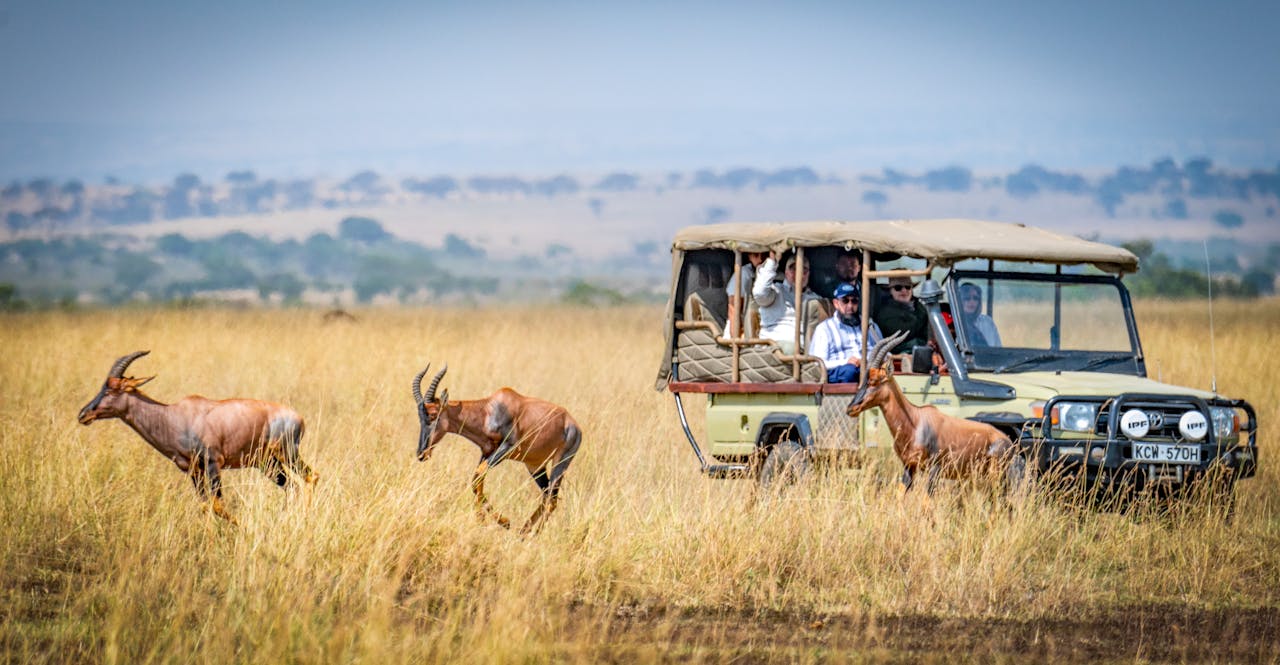
Plan an African safari around three things, in this order: the visa and insurance patchwork (Kenya's USD 30 eTA plus a mandatory government health policy since October 2026; the East African Tourist Visa covers Kenya, Rwanda and Uganda only, never Tanzania), park fees that now run from USD 80 to 200...
Latest Wildlife & Safari Tours
 Wildlife & Safari Tours
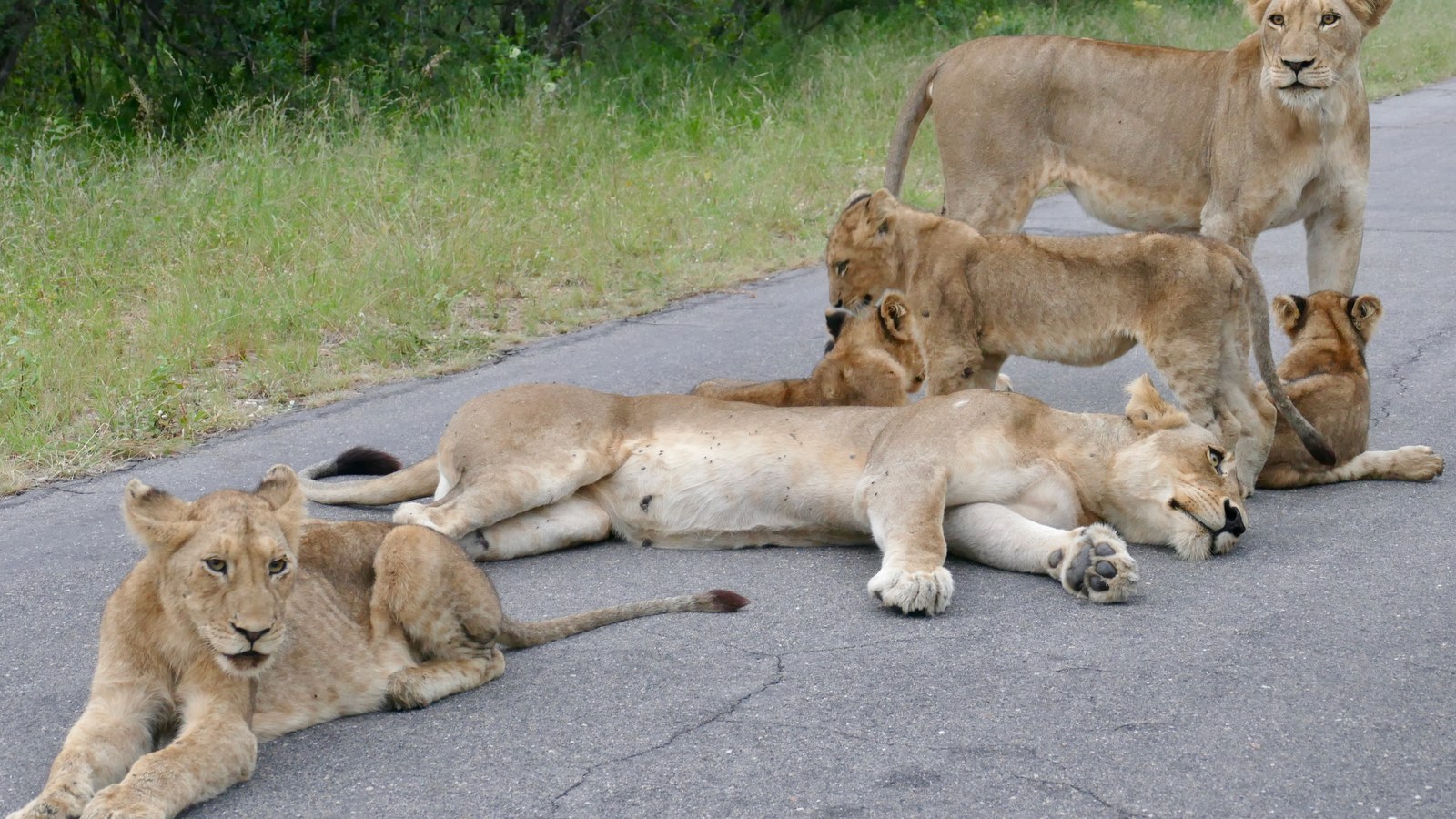
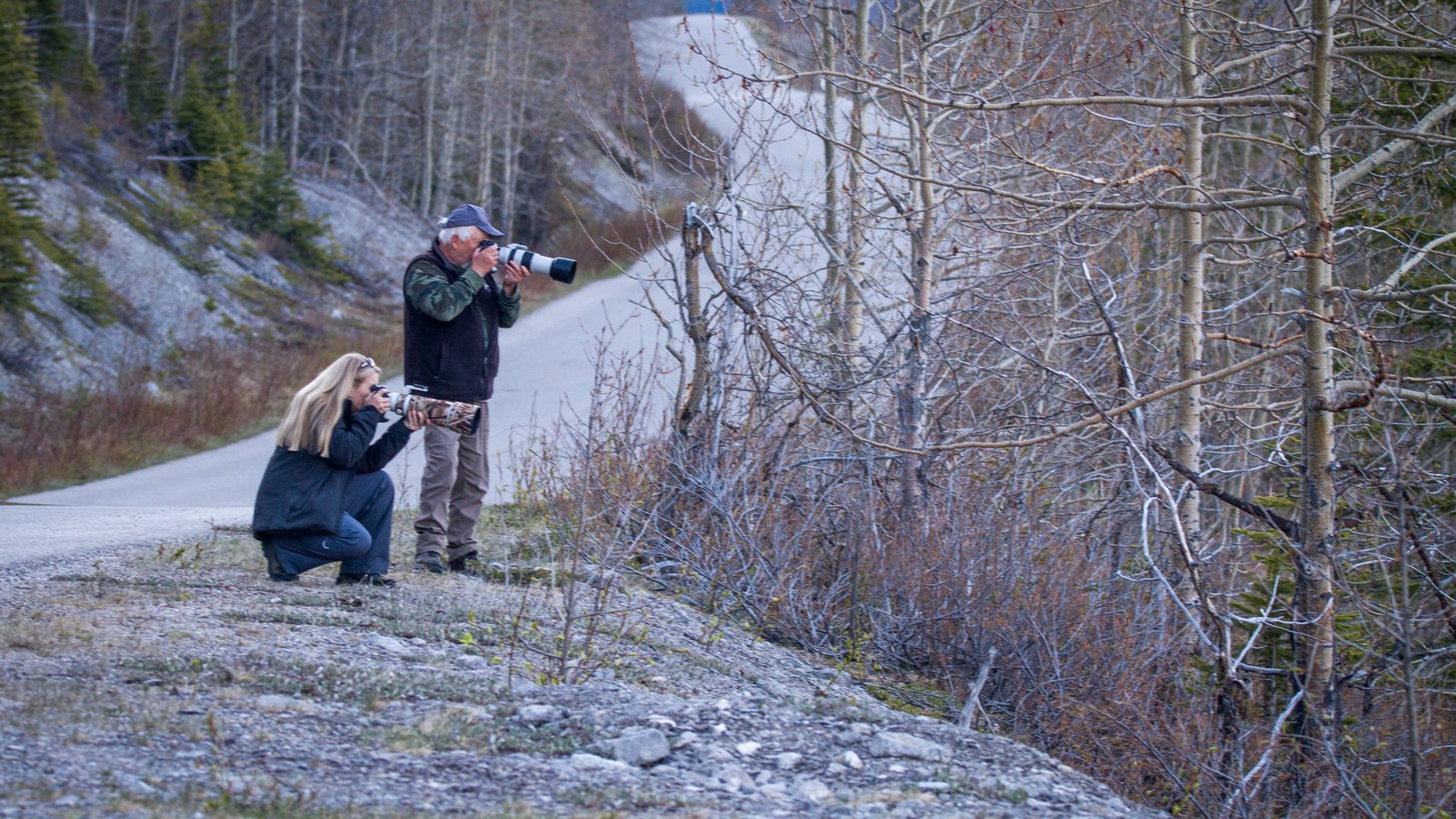
The best time for wildlife photography, corrected against the park services' own publications: the elk rut is September and October, not March (March is antler-shedding); bison calves arrive in April and May; bird migration peaks mid-April to mid-May; golden hour is a photographers' convention that no observatory defines; exposure trades in stops, not in the old article's invented formula; and drones are prohibited in US national parks under a policy that carries six months in jail.
 Adventure Travel & Nature
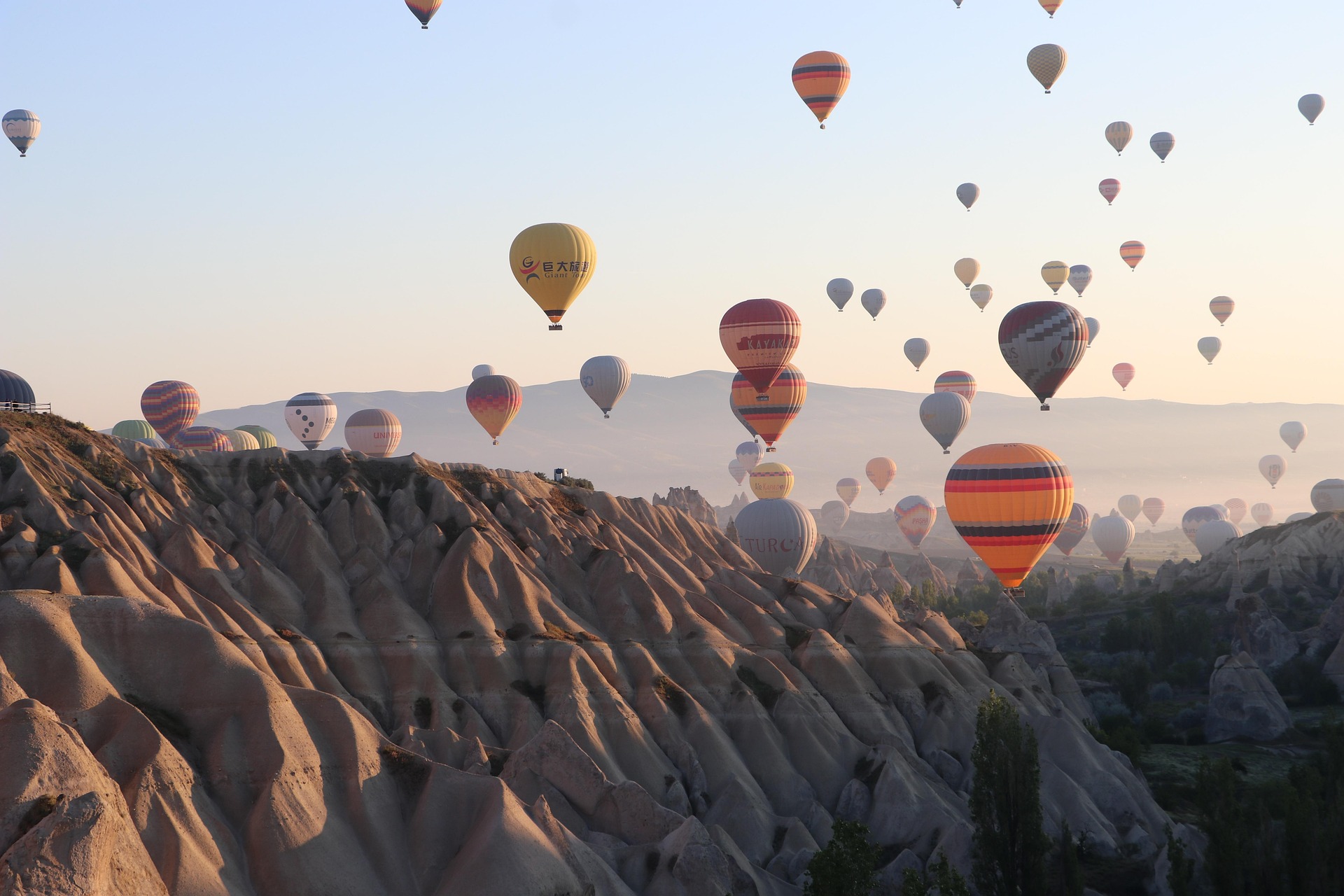
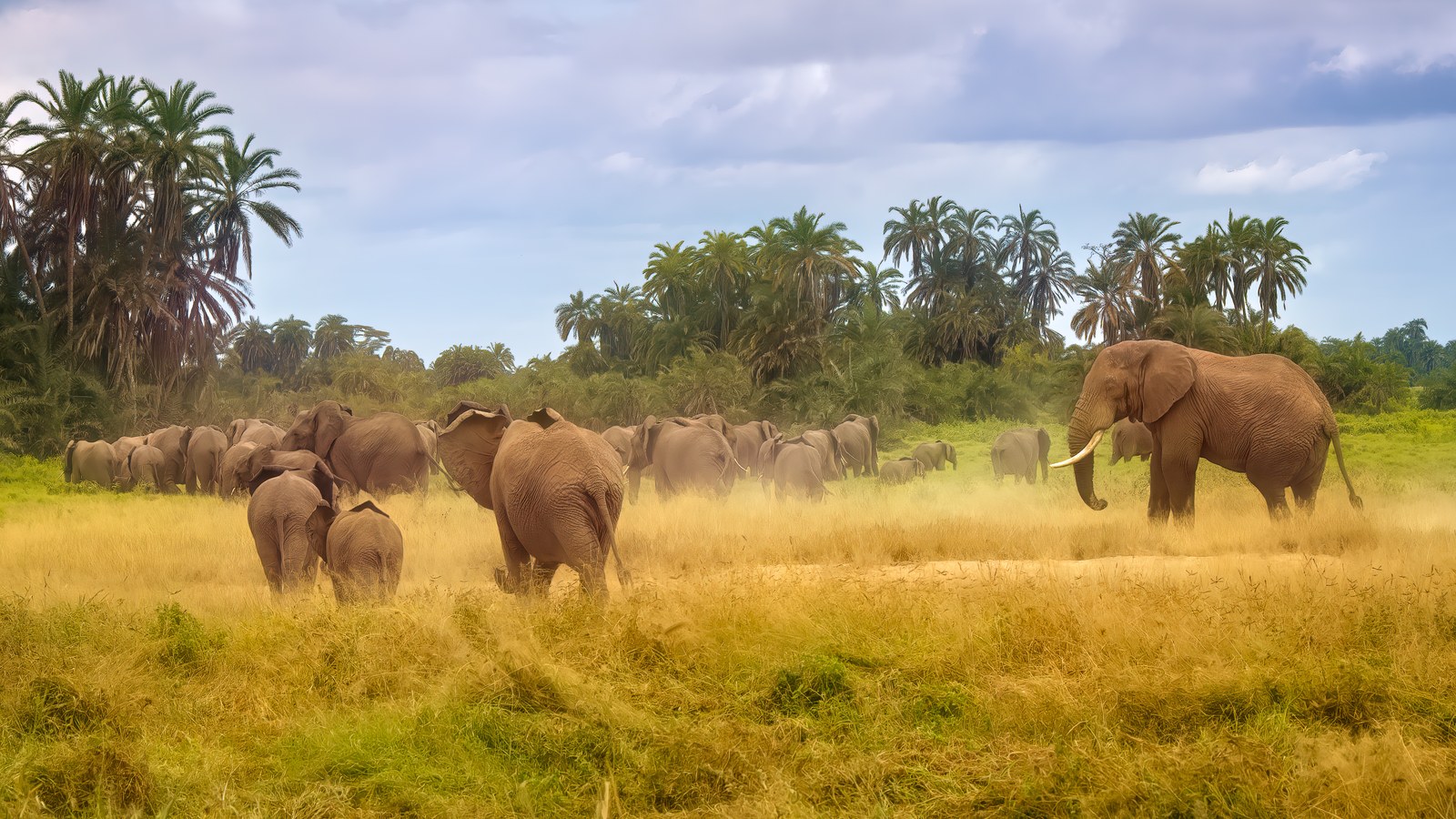
A complete safari guide rebuilt on the park authorities' own publications: the migration as UNESCO and WWF describe it, calving from January to March on the southern Serengeti, Serengeti entry at USD 70 plus VAT and Mara entry at USD 100 to 200 a day, gorilla permits in Rwanda and Uganda with DR Congo's park closed to tourism, and the real drone law, SACAA and SANParks, not the space agency.
 Adventure Travel & Nature
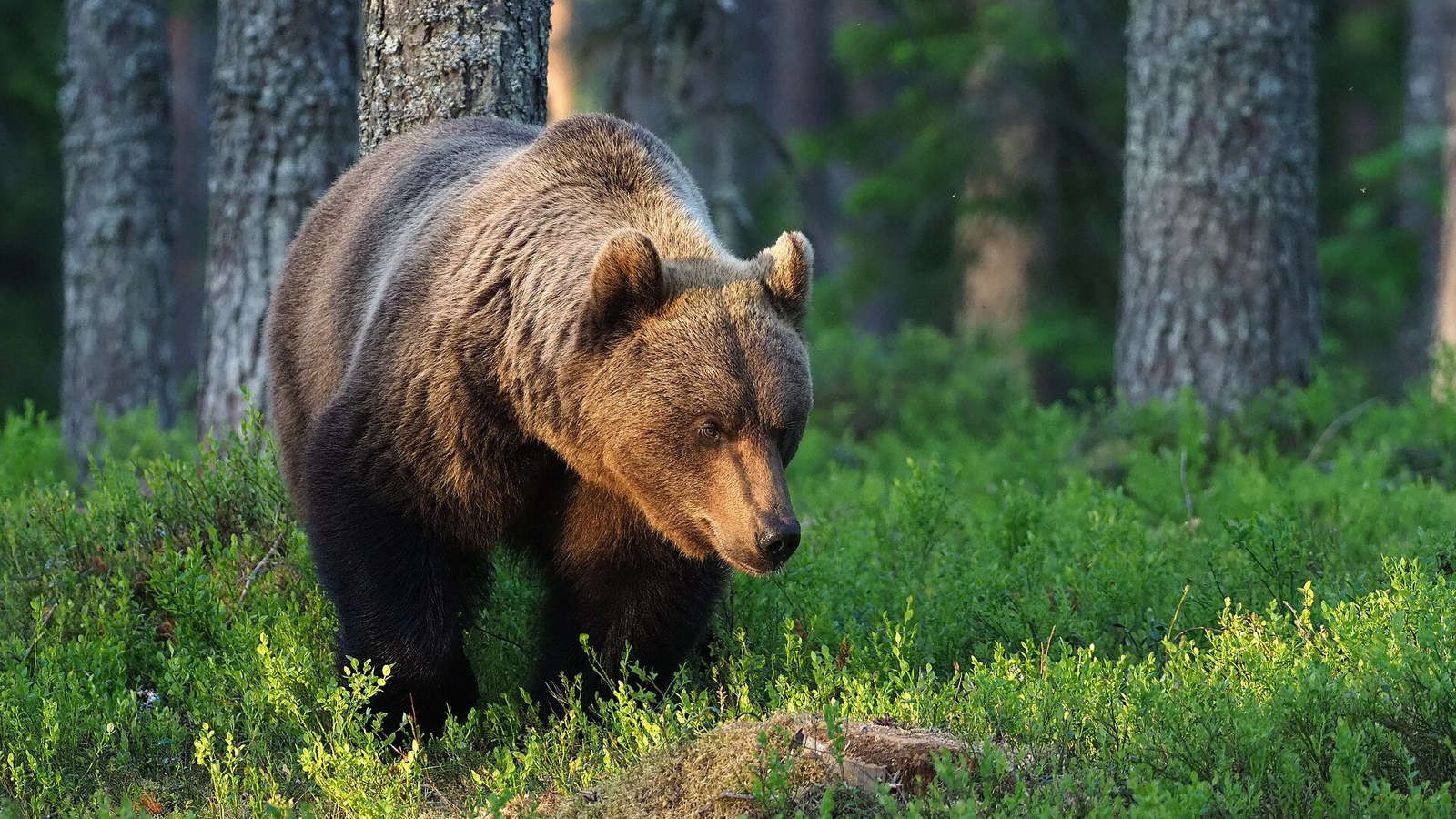
The most reliable way to see a wild brown bear in Europe is an overnight hide in...
 Adventure Travel & Nature
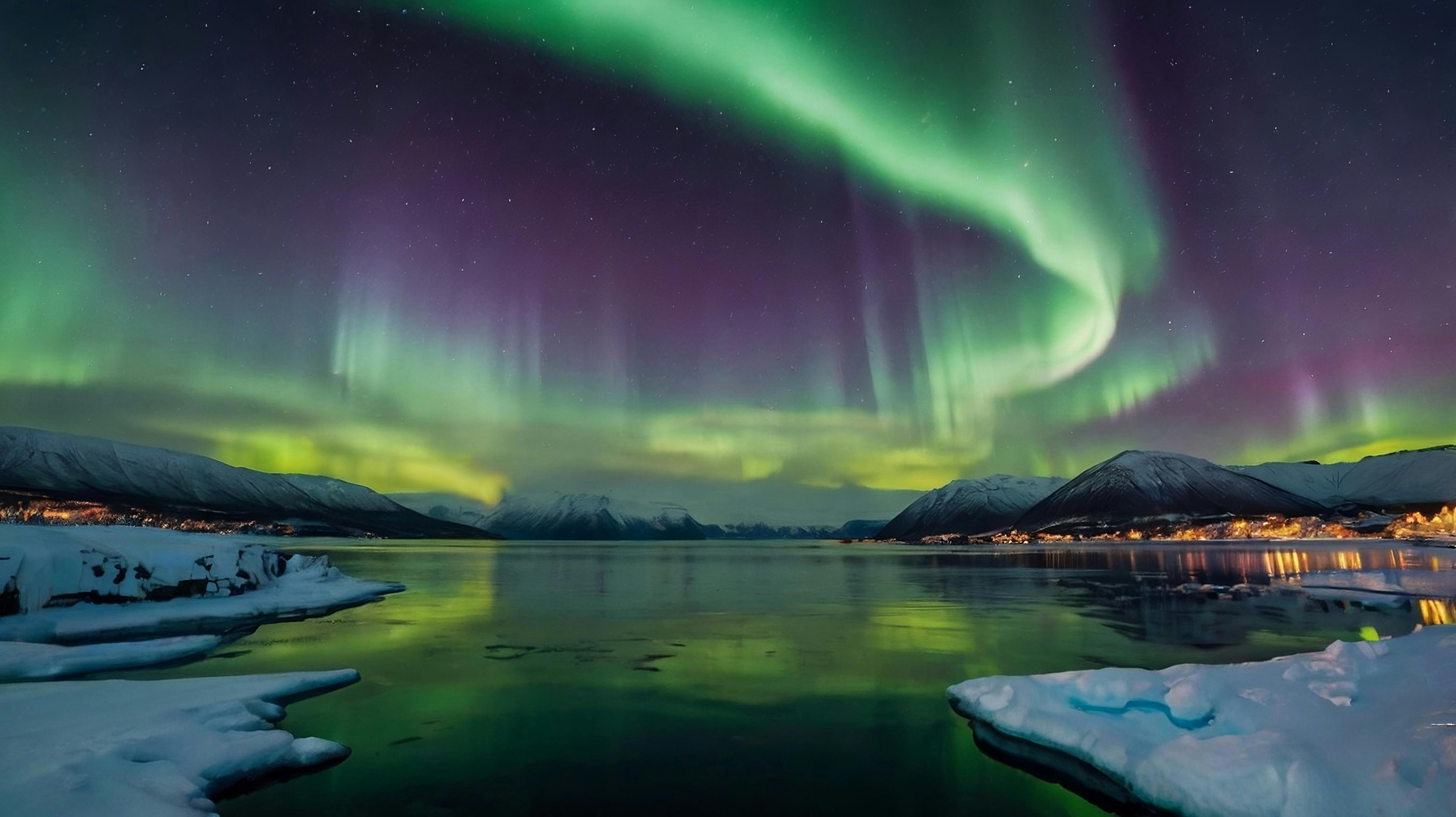
Choose Tromso for easiest all-round Arctic city break, Abisko for small dark base known for clearer local skies, Rovaniemi for family-friendly Lapland trip, or Iceland for aurora search combined with wider road itinerary. No destination can guarantee a sighting.
How We Research Wildlife & Safari Tours
Firsthand Research
We explore destinations ourselves, so you get real, on-the-ground insights.
Current Information
We keep our guides updated with the latest travel rules, trends and local advice.
Practical Details
From transport and accommodation to costs, we cover details that matter.
Search Wildlife & Safari Tours
Popular Guides
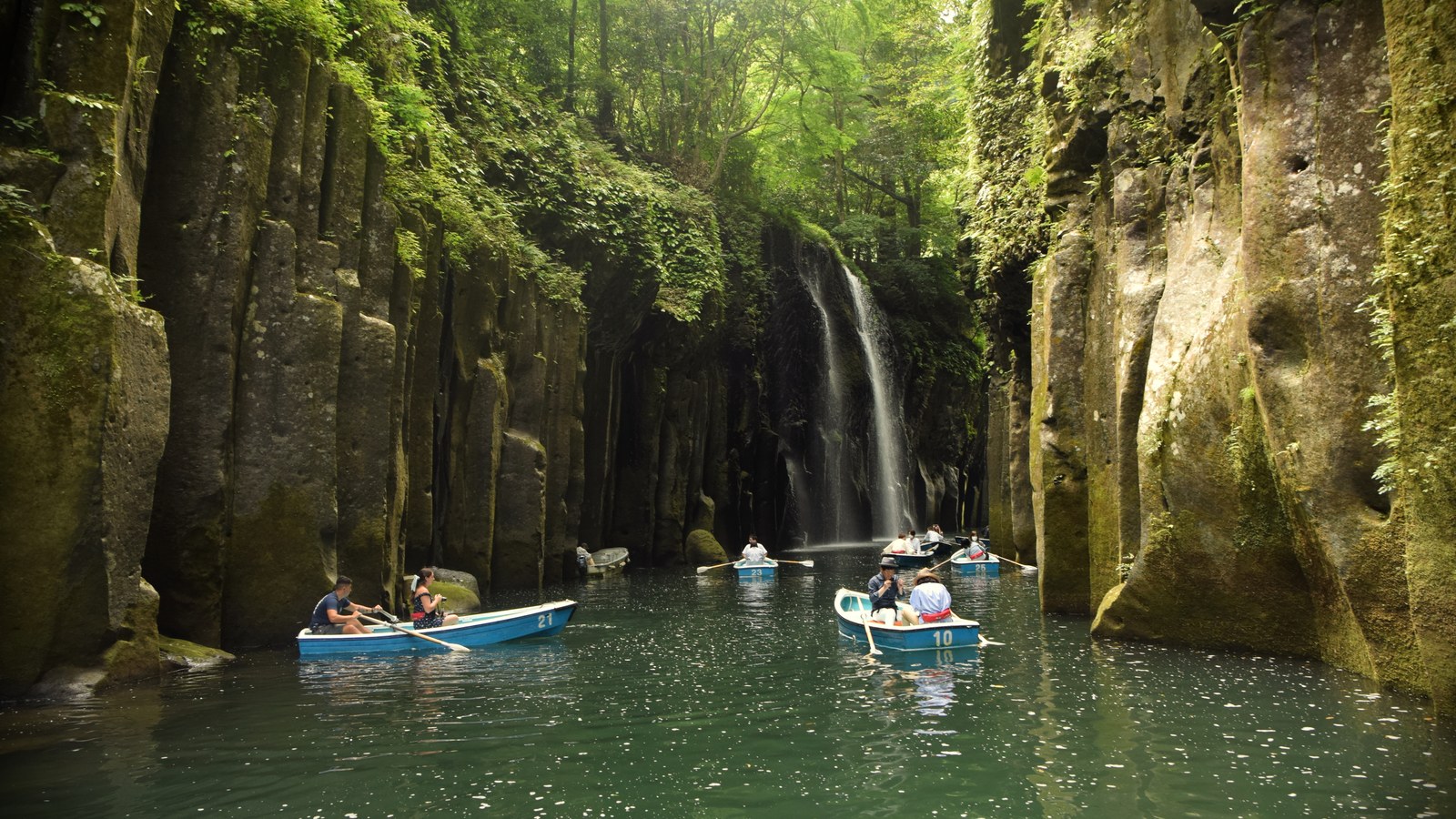
Kyushu Travel Guide: Onsen Towns, Volcanoes and Castles
Apr 22, 2026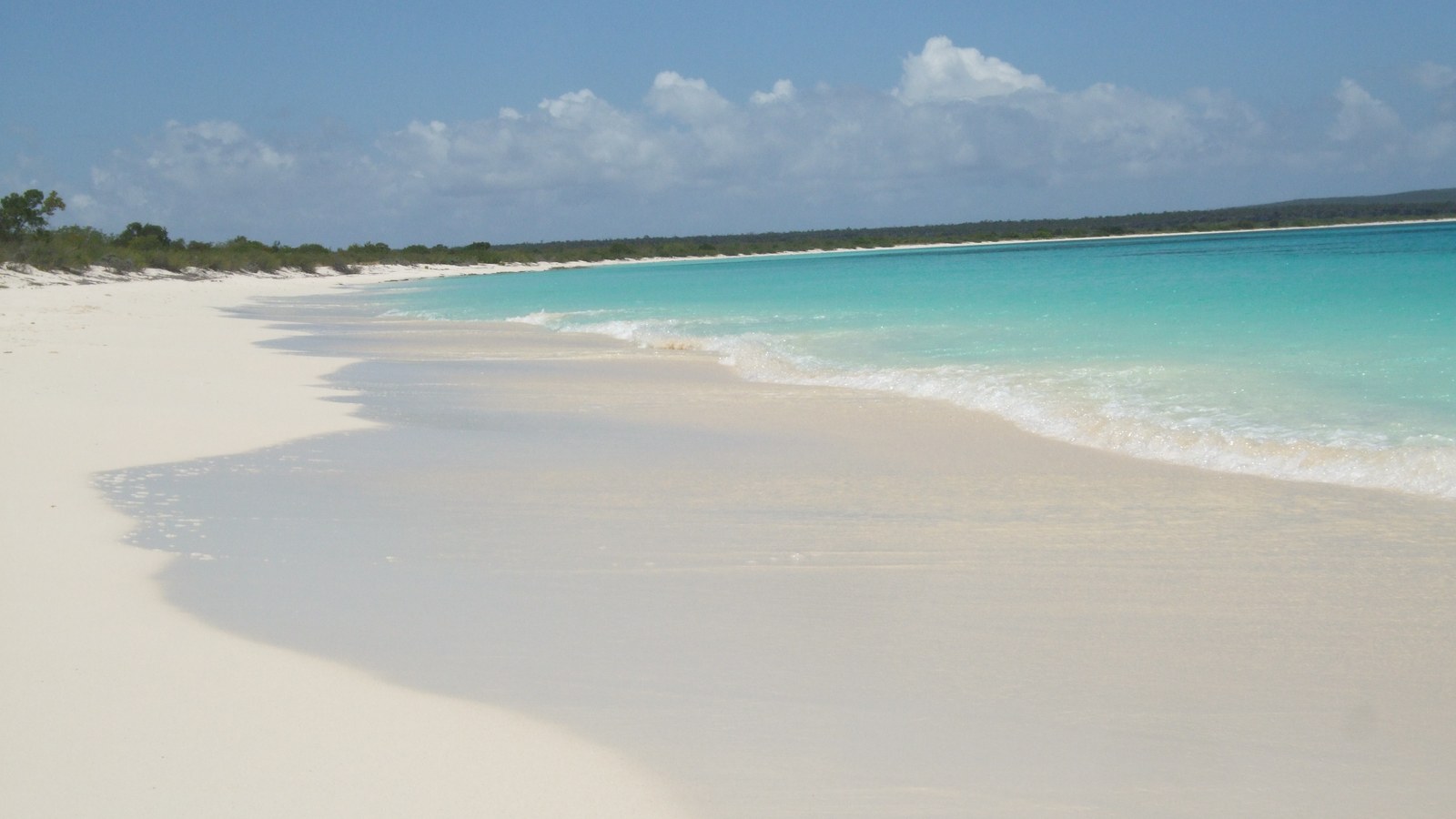
Dominican Republic's Quietest Beaches: 7 Worth the Trip
Apr 09, 2026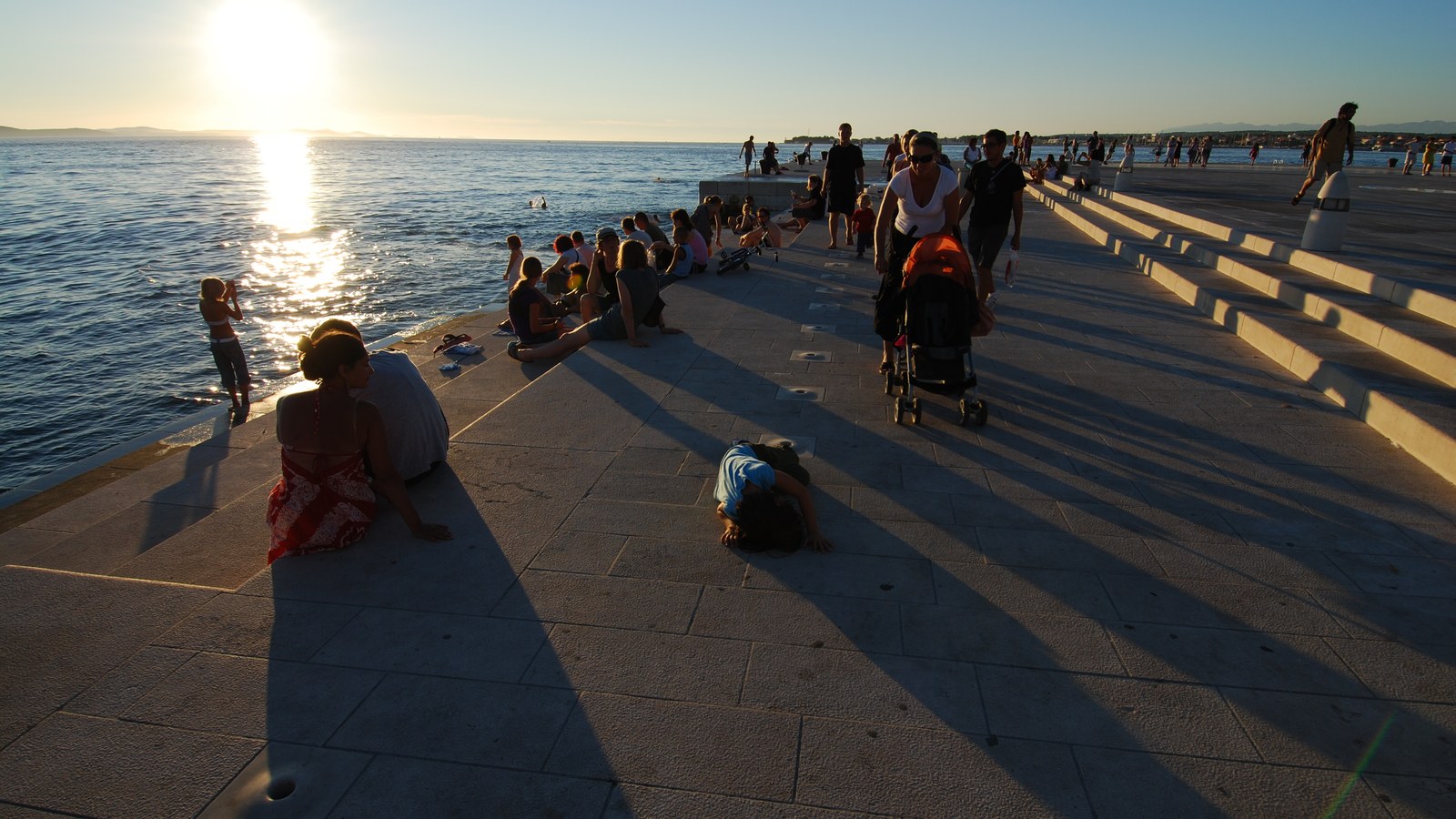
Zadar Travel Guide: Old Town, Islands and Real Prices
Apr 09, 2026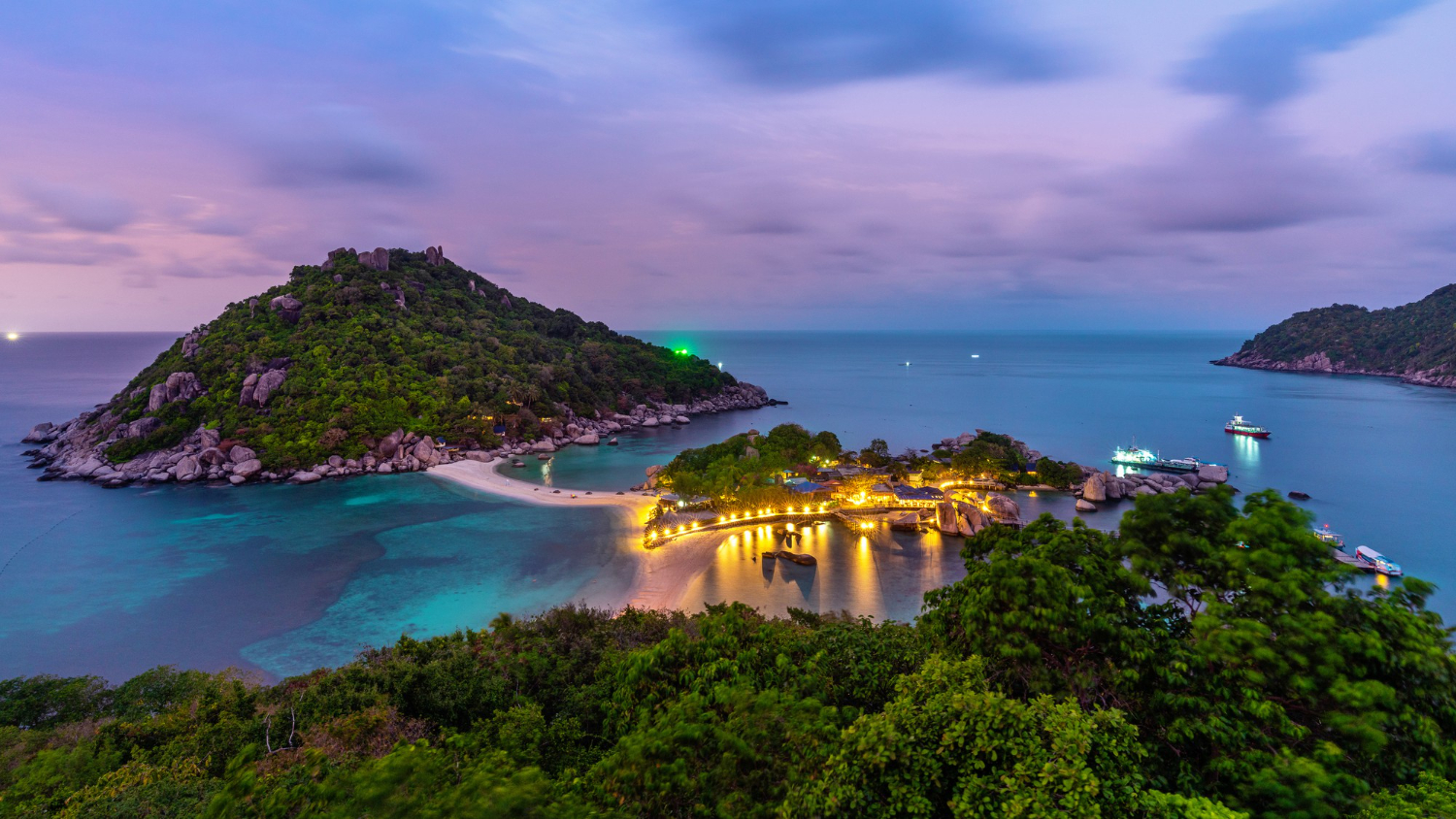
Best Islands in Southeast Asia: Access, Seasons, Costs
Apr 10, 2026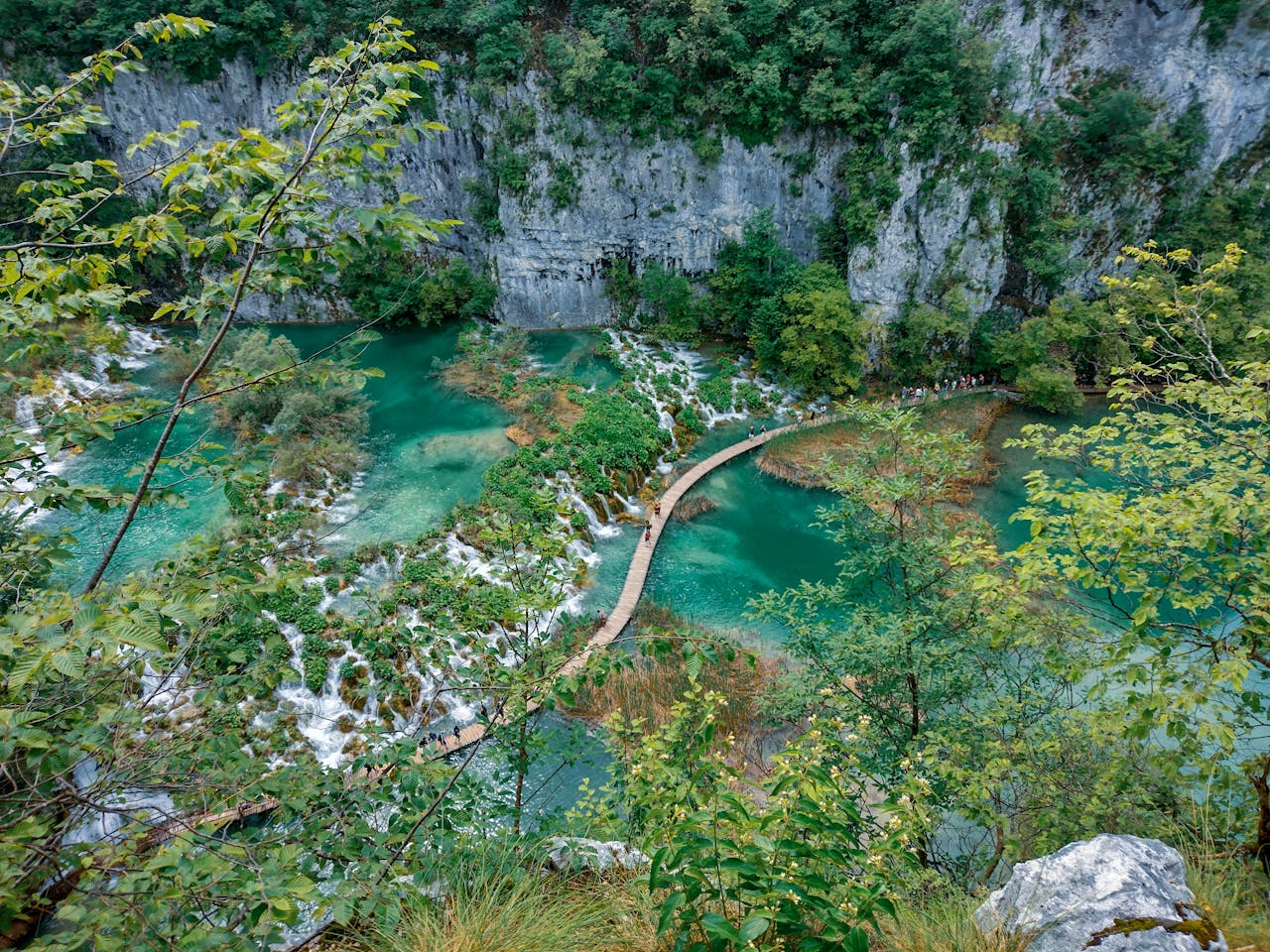
Best National Parks in Europe: 12 Parks, Quiet Months
Apr 12, 2026
Discover the World's Best Festivals
Immerse yourself in vibrant cultures, lively celebrations, and unforgettable experiences globally.

Destination Guides in Your Inbox
Join our newsletter and get the best travel stories, tips and exclusive guides delivered straight to your inbox.
No spam. Unsubscribe anytime.
About Wildlife & Safari Tours
The flagship here is the Kruger Park safari 10-day June plan: gate times, camp choices and routes worked out day by day for the dry season, with park fees taken from SANParks. Around it sit the complete safari planning guide, Rwanda gorilla trekking with its permit rules, and a balloon safari guide rewritten to separate the real operators from the invented ones that fill lesser articles.
Two principles run through the track. First, seasons before species lists: the guides explain when animals are actually findable - calving, migration, dry-season concentration - rather than promising sightings year-round. Second, no invented credentials: RoamFeast does not vet operators and will not claim to; the guides teach you what to check instead, from licences to aircraft and guide certification.
Frequently Asked Questions
The best time depends on the destination, the species you want to see, and whether you prioritise wildlife viewing, weather, or fewer visitors. In many African safari regions, dry periods can make animals easier to locate around remaining water sources, while wet seasons can bring greener landscapes, migratory wildlife, and seasonal births.
A safari of 3 to 5 days can provide a useful introduction to a single wildlife area, while longer trips allow more time for different habitats, game drives, and travel between reserves. The right length depends heavily on the size of the park or conservation area and how much time is required to reach it.
Wildlife varies by destination and season. African safaris may include elephants, lions, leopards, buffalo, giraffes, zebras, rhinos, hippos, antelope, and many bird species, while wildlife trips in Asia, the Americas, and other regions can focus on entirely different species.
Comfortable, lightweight clothing suitable for the local climate is generally more useful than buying a specialized safari wardrobe. Neutral or subdued colors can be practical in some environments, while layers are useful for cool early-morning and evening drives. Closed, comfortable footwear is important for walking-based activities.
Early morning and late afternoon are often productive periods because many animals are more active during cooler parts of the day. This is not a guarantee, however, and wildlife activity depends on species, temperature, habitat, season, and local conditions.
A telephoto lens, fast shutter speed, spare batteries, and sufficient memory storage are useful for wildlife photography. It is also important to follow distance and photography rules rather than asking a driver or guide to disturb an animal simply to obtain a closer photograph.
A safari traditionally refers to a journey involving wildlife observation, particularly in African contexts, while “wildlife tour” is a broader term covering organized trips focused on animals and their habitats. Wildlife tours can include safaris as well as whale watching, birding, rainforest excursions, marine wildlife trips, and specialist photography expeditions.