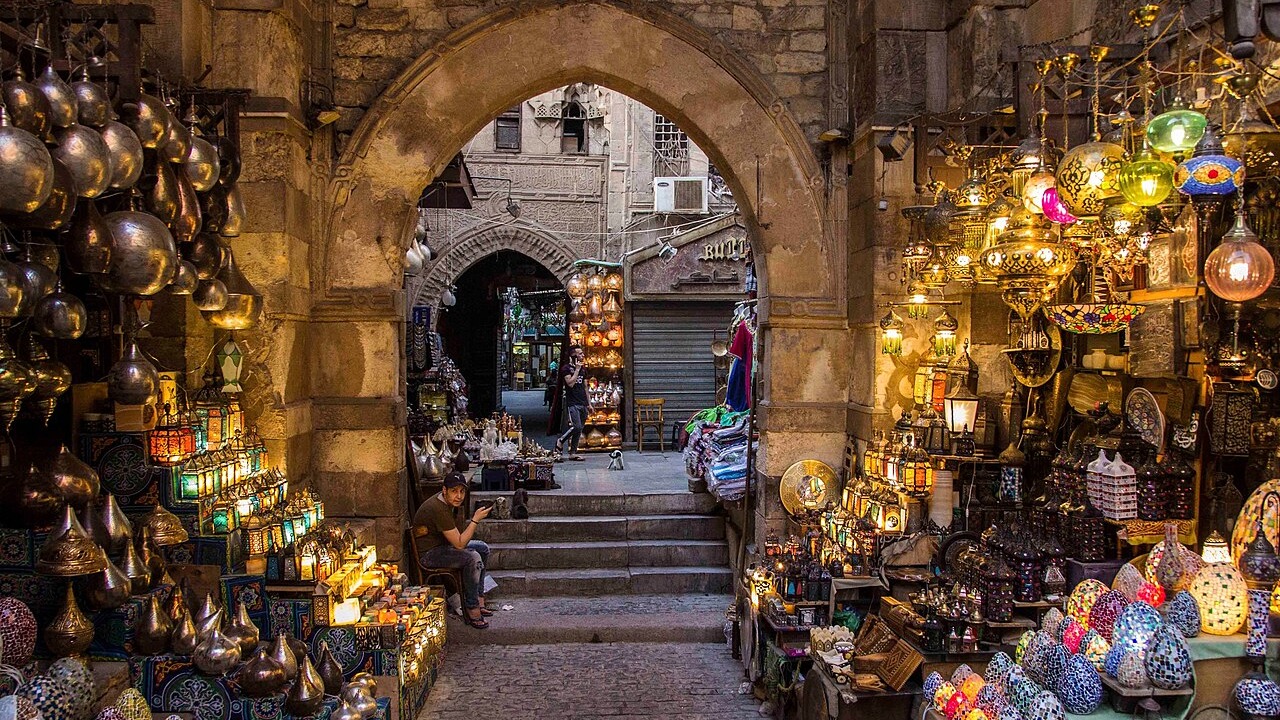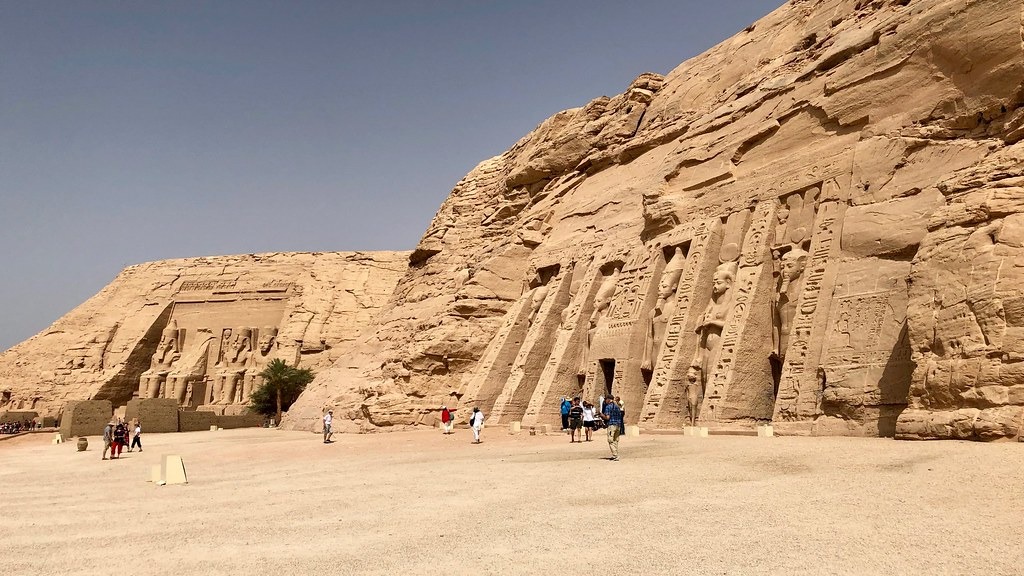


The Middle East destinations that work best for families are Dubai and Abu Dhabi for theme parks, Doha for an easy museum and souq stop, Jordan for Petra with older children, Oman for a calm road trip, and Egypt for Red Sea resorts and the pyramids. Travel between November and March, check visa rules before you book, and pick by your children's ages.
Quick picks for families
Shortlist one or two destinations here, then read that section in full before you book.
| Destination | Best for | Standout with kids | When to go |
|---|---|---|---|
| Dubai, UAE | Ages 2 to 14 | Indoor theme parks, aquarium, snow park | November to March |
| Abu Dhabi, UAE | Ages 4 to 14 | Four theme parks together on Yas Island | November to March |
| Doha, Qatar | Ages 3 to 12 | Museums and Souq Waqif, close together | November to March |
| Jordan | Ages 7 and up | Petra, floating in the Dead Sea, a desert camp night | March to May, September to November |
| Oman | Ages 5 and up | Dolphin boats, forts, mountain villages | October to March |
| Egypt | Ages 4 and up | Pyramids of Giza and Red Sea snorkelling | October to April |
Dubai, United Arab Emirates
Dubai is the easiest first Middle East trip with children, because most headline attractions are indoors and air-conditioned, and the Dubai Metro (Red and Green lines, Nol card) links the airport, The Dubai Mall, Mall of the Emirates and the marina. Taxis rarely carry child seats, so bring a travel booster.
Theme parks and indoor days
The indoor parks carry a Dubai family trip. IMG Worlds of Adventure, billed as the world's largest indoor theme park, has Marvel and Cartoon Network zones under one roof, so it works even in August. Dubai Parks and Resorts adds Motiongate Dubai, Legoland Dubai (built for ages 2 to 12) and the Legoland Water Park. The Dubai Mall adds the Dubai Aquarium tunnel and KidZania Dubai. Ski Dubai, the indoor snow park inside Mall of the Emirates, rents all the clothing, so you do not need to pack ski gear.
Outdoor days in the cool season
From November to March, Dubai works outdoors too. Book a timed Burj Khalifa ticket, use the beaches and hotel pools, and save the desert for late afternoon. For a desert safari, check the operator's minimum age for dune driving before you book; with babies, take a private car and skip the dunes. Dubai Miracle Garden and Global Village are seasonal and close for the summer, one more reason to come in winter.
Abu Dhabi, United Arab Emirates
Abu Dhabi is the calmer of the two big UAE cities, and the stronger base for theme parks: four parks sit side by side on Yas Island. It pairs with Dubai easily: the cities are around 130 km apart by motorway.
Yas Island theme parks
Yas Island groups Ferrari World Abu Dhabi, Warner Bros. World Abu Dhabi, Yas Waterworld and SeaWorld Yas Island, Abu Dhabi. Ferrari World mixes family rides with record-setting coasters for older children, the Warner Bros. park is fully indoors, and Yas Waterworld and SeaWorld suit younger ages. Stay on Yas Island itself to remove daily transfers.
Beyond the parks
The Sheikh Zayed Grand Mosque is the one cultural sight to build into an Abu Dhabi stay. Entry for visitors is free with online registration, the dress code is strict, and visitor hours change around Friday prayers and Ramadan, so check the current hours and dress rules on the mosque's official site before you go. Louvre Abu Dhabi suits children from about age 8, and the Corniche is an easy beach promenade for the end of the day.
Doha, Qatar
Doha suits families who want culture in short, easy walks rather than a theme-park week. The Museum of Islamic Art, the National Museum of Qatar and Souq Waqif sit close together, the metro links them, and two or three nights is enough for most families.
What to do with children
Start at the Museum of Islamic Art, then let children run in MIA Park next door. The National Museum of Qatar tells the country's story in large, visual galleries that hold younger attention well. Go to Souq Waqif in the evening, when it is coolest and busiest, for dinner and a walk past the falcon shops. With a spare day, add the Katara beach clubs or Meryal, the large waterpark on Qetaifan Island.
Entry rules for Qatar
Entry is simple for most families: citizens of more than 102 countries get free visa-free entry or a free visa on arrival, for 30 or 90 days depending on nationality, per Visit Qatar's official visa pages. One catch: nationals of a few countries, including India, Pakistan, Thailand and Iran, must book their hotel through the official Discover Qatar platform before travel to use visa on arrival.
Jordan
Jordan is the history trip of this list, and it works best for children aged about 7 and up who can walk several kilometres in a day: Petra is a long walk with no shortcut back.
Amman with kids
Amman is worth a day before you head south. The Children's Museum Jordan, in Al Hussein Public Parks, is a hands-on museum with more than 195 interactive exhibits. Add The Jordan Museum, the Citadel and the Roman Theatre in the old town.
Petra with children
Petra rewards an early start. The walk from the visitor centre through the Siq to the Treasury is roughly 2 km each way, so start at opening time and set the Treasury as the goal for younger legs. A one-day ticket bought on its own currently costs 50 JOD for visitors staying overnight in Jordan. Petra by Night runs a candlelit walk through the Siq on Sunday to Thursday evenings (8:30 pm to 10:30 pm, 30 JOD per person, children under 10 free, tickets only at the visitor centre), and it is not included in the Jordan Pass.
The Jordan Pass, and whether families need it
Families visiting Petra plus two or three other sites should buy the Jordan Pass before they fly. It covers entry to more than 40 sites, including Petra, Jerash and Wadi Rum, and includes the tourist visa: the 40 JD fee is waived if you buy before arrival and stay at least 2 whole nights, per the official Jordan Pass site. Current prices are 70 JOD for the Wanderer (1 day in Petra), 75 JOD for the Explorer (2 days) and 80 JOD for the Expert (3 days): confirm the price on jordanpass.jo before you buy. Children under 12 enter pass sites free with their parents, so under-12s need a visa but not a pass.
Dead Sea, Wadi Rum and Aqaba
Three side trips round out a Jordan week. At the Dead Sea, children love floating, but keep the salty water out of eyes and rinse off straight after. In Wadi Rum, a jeep tour and one night in a desert camp suit children from about 7 up. Aqaba adds Red Sea snorkelling over coral close to the shore. Families usually hire a driver or rent a car between these places, and should keep drives under three hours a day.
Oman
Oman is the slow option on this list: Muscat for mosques, souqs and dolphin boats, then a road trip inland to forts and mountains. It suits families who are happy to drive.
Muscat with kids
Muscat's sights are spread along the coast, so plan one area per half day. Non-Muslim visitors can usually enter the Sultan Qaboos Grand Mosque on Saturday to Thursday mornings, roughly 8:00 to 11:00 am; it closes to visitors on Fridays, so check current times and dress rules before you go. In Old Muscat, the National Museum gives children the country's story in one visit. Al Alam Palace, the Sultan's ceremonial palace, is not open to the public: treat the blue-and-gold facade, seen from the plaza between the Al Jalali and Al Mirani forts, as a photo stop. Finish at Muttrah Souq and the corniche, and book a morning boat trip for dolphin watching, when the sea is calmest.
Nizwa and Jebel Akhdar
Nizwa, about 2 hours from Muscat by road, has a large fort to climb and a Friday livestock market that starts early. Above Nizwa, Jebel Akhdar is a plateau at about 2,000 m with terraced farms and villages, far cooler than the coast. One rule decides how you go: a police checkpoint near Birkat Al Mouz lets only four-wheel-drive vehicles up the paved road, so hire a 4WD or take a driver.
Entry rules for Oman
Entry is simple for short trips: citizens of more than 100 countries can enter Oman without a visa for up to 14 days, with a passport valid for at least 6 months, a return ticket, a confirmed hotel booking and health insurance, per the Omani Ministry of Foreign Affairs. Some nationalities qualify only if they also hold a visa or residence for the US, UK, Canada, Australia, Japan, a Schengen country or a GCC state. For stays over 14 days, apply on the Royal Oman Police eVisa site first.
Egypt
Egypt works two ways for families: a Red Sea resort week based in Sharm El-Sheikh, or a Cairo trip built around the pyramids. Doing both in one week means an internal flight, so pick one base unless you have 10 days or more.
Sharm El-Sheikh and the Red Sea
Sharm El-Sheikh is the easy Egypt: hotels with pools and house reefs, calm water for first snorkelling, and boat trips to Ras Mohammed National Park. Entry is simple too. Travellers arriving by air who stay under 15 days in the resorts of Sharm El-Sheikh, Dahab, Nuweiba or Taba get a free entry permission stamp on arrival and need no visa. The stamp covers the Sinai resorts only: add Cairo or Luxor and you need a visa, by e-Visa in advance or on arrival.
Cairo and Giza with kids
Cairo is the history trip. Give the Pyramids of Giza and the Sphinx a cool morning, go early, and agree any camel or horse price before anyone climbs on. The Grand Egyptian Museum, open to the public since 4 November 2025, holds the complete Tutankhamun collection in one air-conditioned building. Plan your days with our guide to the places to visit in Egypt, and apply on the official e-Visa portal at least 7 days before you travel.
When to go, and when to avoid
Timing decides a Middle East family trip more than the destination does. November to March is the season for Dubai, Abu Dhabi, Doha, Oman and the Egyptian Red Sea, while Jordan is best in spring (March to May) and autumn (September to November).
Heat: the summer problem
Gulf summers are the main thing to avoid with children. Dubai's average daytime highs reach about 41C in July and August, against about 24 to 26C in January and February, and nights stay hot and humid. A summer trip can still work around indoor attractions and a hotel pool, but outdoor days shrink to early morning and evening.
Ramadan and Eid
Ramadan shifts daily life, so check where it falls in your travel year. It ran from 18 February in 2026, and in 2027 it is expected around 7 to 8 February to 9 to 10 March for Eid al-Fitr: exact dates are set by moon sighting, so treat them as expected, not fixed. Attractions generally adjust their hours rather than close, days are quieter, and cities come alive after the evening iftar meal. Eid week itself is a peak travel period inside the region, with fuller flights and hotels.
School holidays and Fridays
Christmas, New Year and Easter school holidays bring the highest prices and the fullest parks across the Gulf, so book early if you travel then. Friday is the main prayer day everywhere on this list: tourist mosque visits close or shrink, some sights open late, and the Doha Metro starts later, so put mosque visits and long transfers on other days.
Visas for families, in one place
Every child needs their own passport, and visa rules apply per person, not per family. Most trips on this list use visa-free entry, on-arrival entry, the Jordan Pass, or the Egypt e-Visa; under-12s enter Jordan Pass sites free but still need the visa itself. Confirm every passport on the official sites before you book flights: rules change.
Money: the costs you can check
There is no honest single daily budget that fits six countries, so this guide quotes only costs you can verify. In Jordan, the checkable figures are the 40 JD visa fee, Jordan Pass prices from 70 JOD, a 50 JOD one-day Petra ticket and 30 JOD for Petra by Night, all on official sites. In the Gulf, price theme-park tickets for your exact dates on each park's official site before you commit to flights: prices change by season and peak weeks sell out. Across all six, carry some local cash for taxis, tips and small sites, because card machines fail and small notes move things faster.
Cultural norms families should know
Dress modestly in public and the rest follows: shoulders and knees covered in towns, markets and religious areas, swimwear kept for beaches and pools. At mosques, women and girls cover their hair, arms and legs, everyone removes shoes, and children need to be quiet inside prayer halls. Some sights pause or close around Friday midday prayers, so check the day's hours before a long drive. Ask before photographing people, especially women and families, and keep public affection brief. Alcohol is served in licensed hotels and venues, but public drunkenness is an offence everywhere on this list.
Health and safety basics
For children, the real risks are heat, sun and tiredness, and all three are manageable with pacing. Build a midday indoor break into every warm-month day, carry water and refill it constantly, and use hats and sunscreen even in winter. Buy bottled water in Egypt, and follow your hotel's advice on tap water elsewhere. On Red Sea reefs, pack reef shoes, watch for sea urchins and jellyfish, and keep children from touching coral. Buy travel insurance before you book, and make sure it covers medical care plus the activities you actually plan, such as snorkelling, boat trips and desert tours. Read your own government's current travel advice for each country before you book and again before you fly.
How to choose: honest trade-offs
With toddlers and under-5s, Dubai or Abu Dhabi wins: short transfers, indoor parks, hotel pools and easy food. With 5 to 9 year olds, add Doha or stay on Yas Island. With children aged 10 and up who can walk and wait, Jordan and Cairo give the trip its story: Petra and the pyramids. Oman is the pick for families who like driving, forts and quiet roads. The trade-off is consistent: the Gulf is easiest and most expensive, Jordan and Egypt ask more walking and give back the history, and Oman asks you to drive and gives back calm.
Sources
- Visit Dubai: official tourism site
- Visit Abu Dhabi: official tourism site
- Ferrari World Abu Dhabi: official park site
- Visit Qatar: visas and entry requirements
- Jordan Pass: official site
- Jordan Pass: official FAQs
- Petra by Night: official site
- The Children's Museum Jordan: official site
- Oman Ministry of Foreign Affairs: entry visas
- UK Foreign Office: Entry requirements