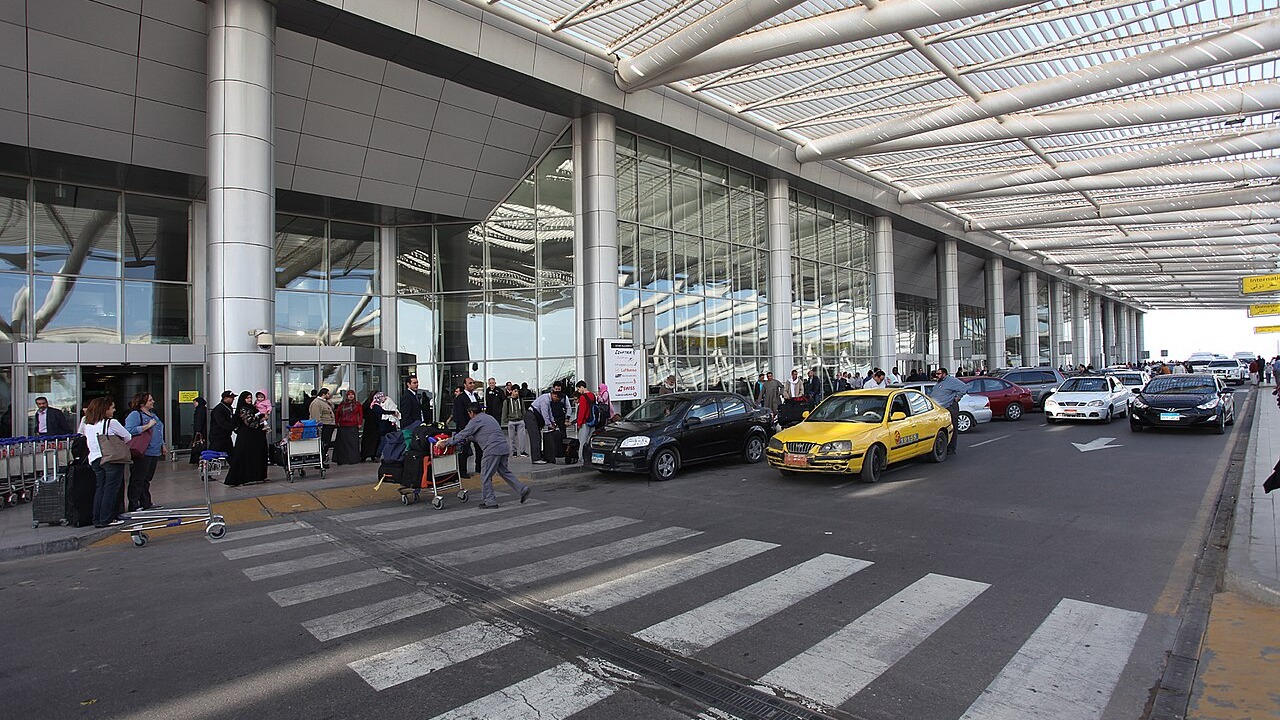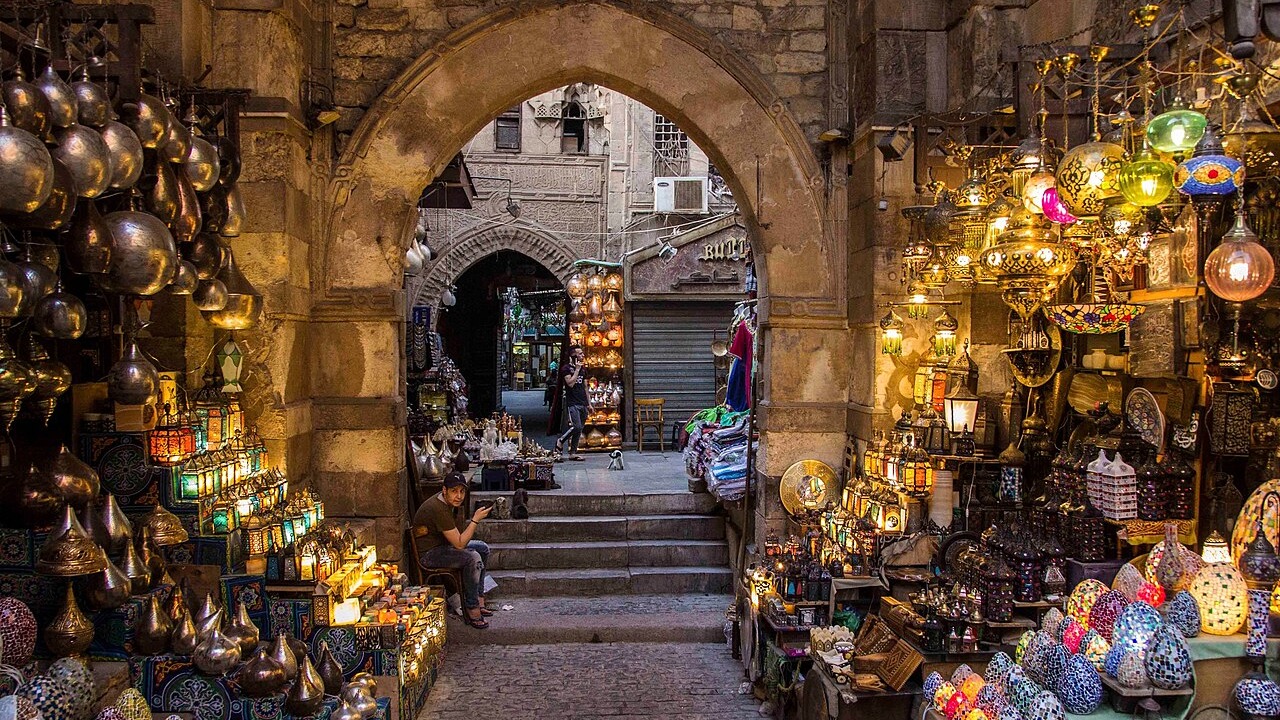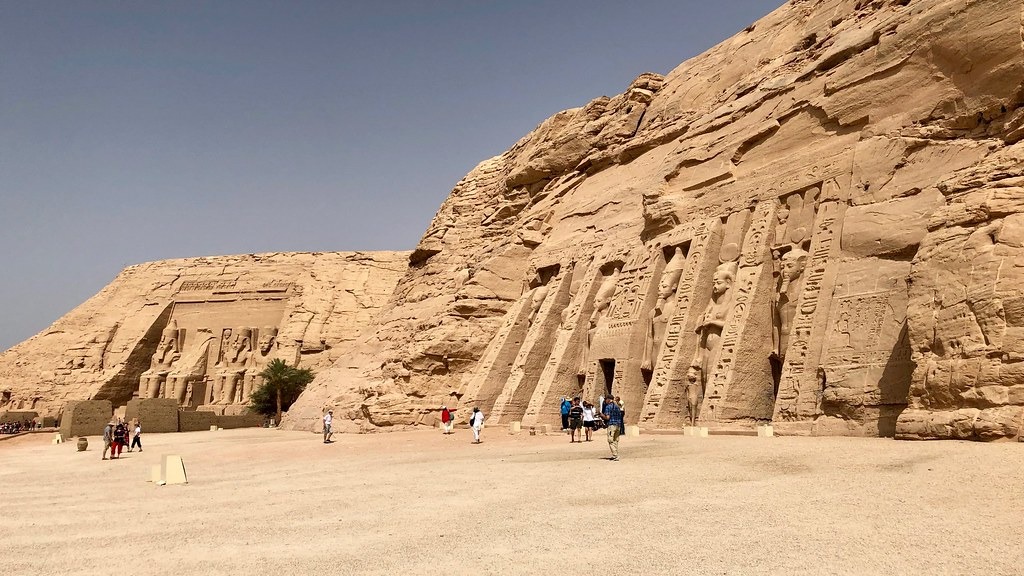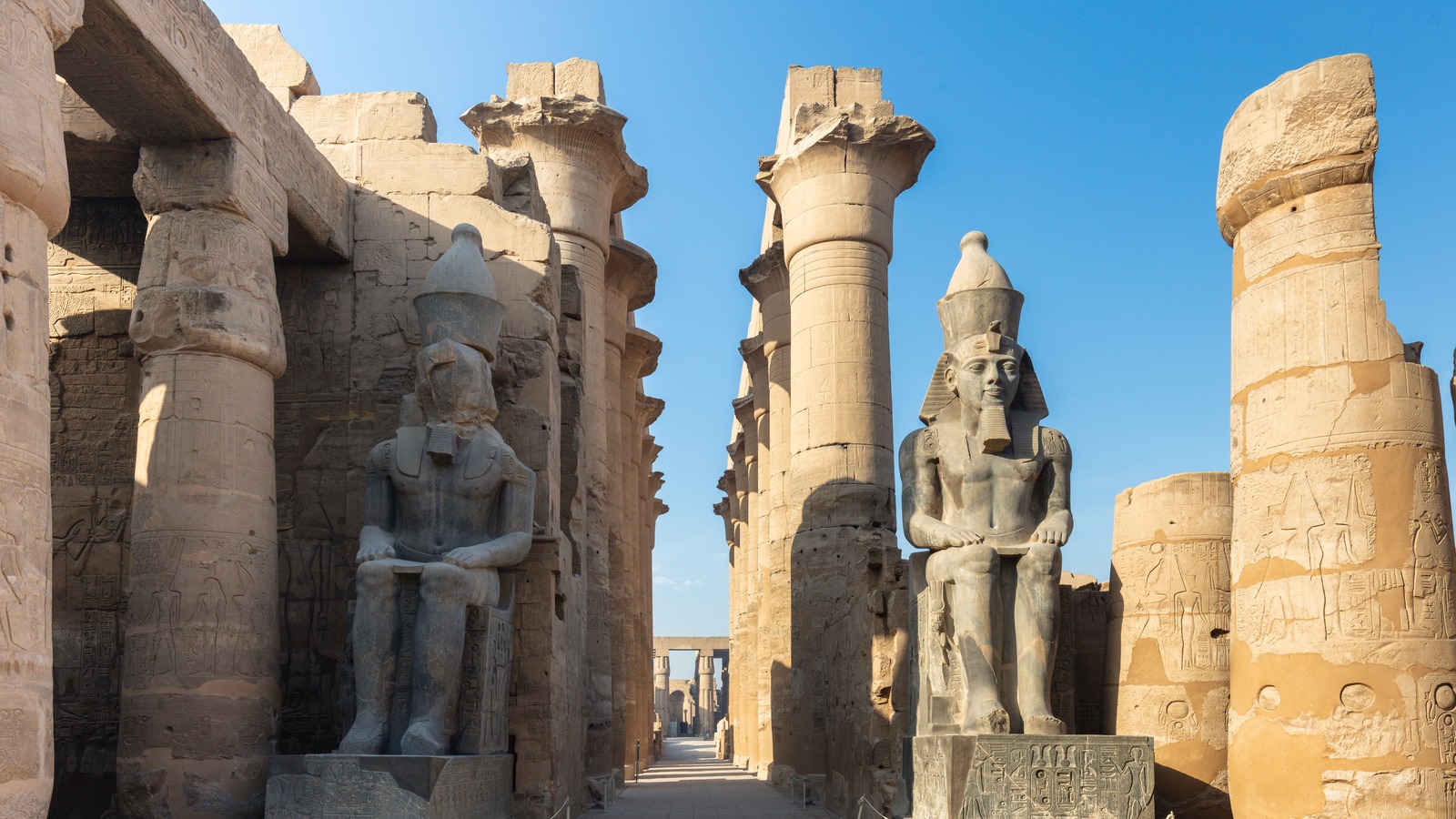

The best places to visit in Egypt are the Pyramids of Giza, the Grand Egyptian Museum, the Egyptian Museum in Tahrir Square, Khan el-Khalili and Islamic Cairo, Karnak Temple, the Valley of the Kings, Luxor Temple, Philae Temple, Abu Simbel, and the Red Sea coast.
Places to visit in Egypt fill every trip length, from a 3-day Cairo stop to a 2-week loop. This guide ranks 10 places by first-visit value, uniqueness, crowd versus payoff, and logistics, then covers when to go, entry rules, costs, safety, and how to split your days.
The 10 Best Places to Visit in Egypt
The list below ranks the top 10 by first-visit value, uniqueness, crowd versus payoff, and logistics. It is one list, used the same way through this guide: the same 10 places, in the same order.
| # | Place | Where | Time needed |
|---|---|---|---|
| 1 | Pyramids of Giza and the Sphinx | Giza, near Cairo | Half a day |
| 2 | Grand Egyptian Museum | Giza, near the pyramids | Half a day |
| 3 | Egyptian Museum in Tahrir Square | Central Cairo | 2 to 3 hours |
| 4 | Khan el-Khalili and Islamic Cairo | Old Cairo | Half a day |
| 5 | Karnak Temple | Luxor, East Bank | 2 to 3 hours |
| 6 | Valley of the Kings | Luxor, West Bank | Half a day |
| 7 | Luxor Temple | Luxor town | 1 to 2 hours |
| 8 | Philae Temple | Near Aswan | Half a day |
| 9 | Abu Simbel | South of Aswan, near the Sudan border | Full day |
| 10 | Red Sea coast | Hurghada, Marsa Alam, Dahab | 2 to 4 days |
1. Pyramids of Giza and the Sphinx
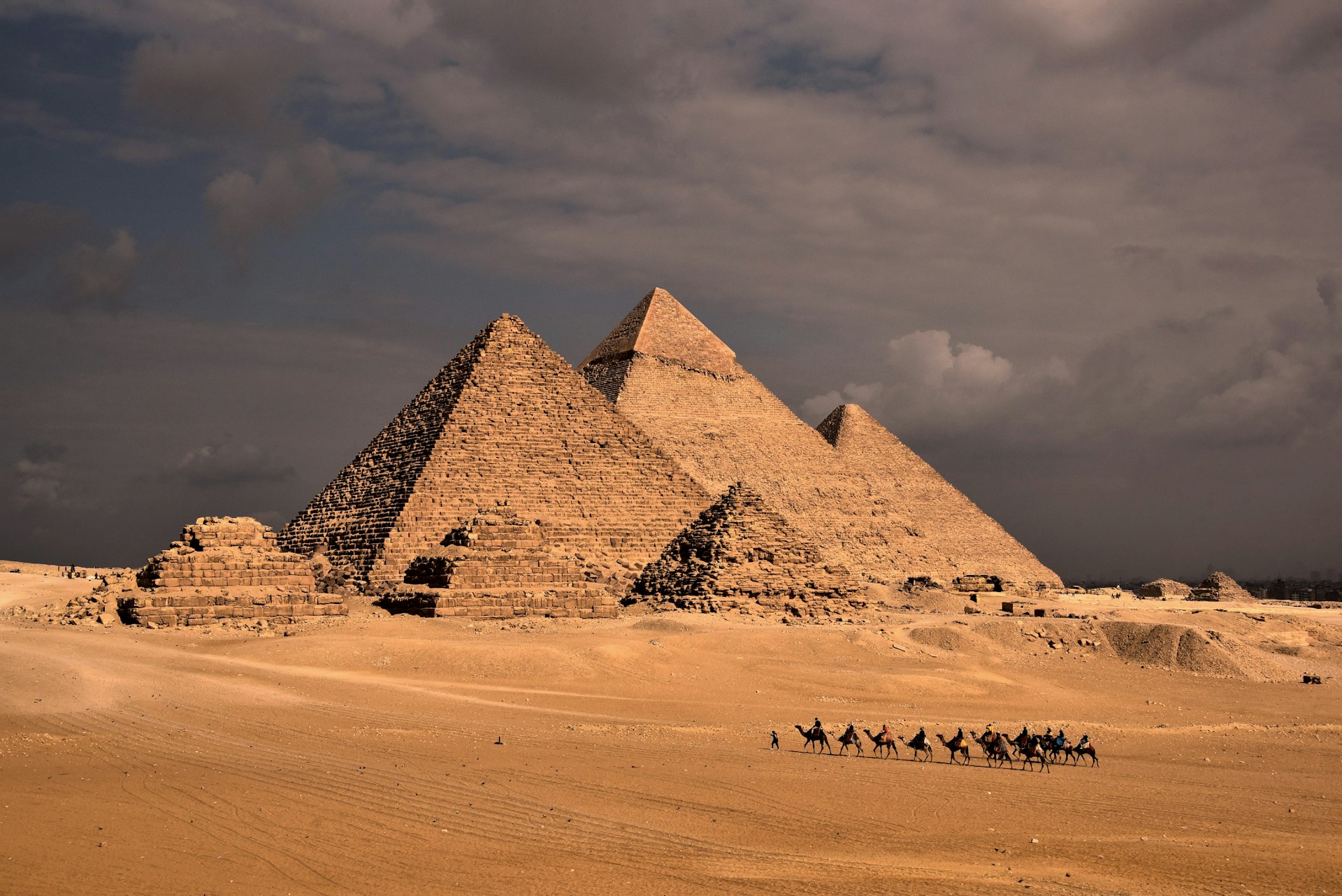
The Pyramids of Giza are the first stop on any first trip to Egypt. The three pyramids and the Sphinx stand on the Giza Plateau west of Cairo. Go at opening time to beat the crowds and the heat. Plateau entry costs around EGP 700 (late 2026, approximate). Entry inside the Great Pyramid costs extra, with reported prices from EGP 1,000 to EGP 1,500, so confirm before you book. Agree camel ride prices before you mount, and ignore anyone who tells you the site is closed. Wear a hat and carry water, since there is little shade on the plateau.
2. Grand Egyptian Museum
The Grand Egyptian Museum is the new anchor of a Cairo visit. It opened to the public on 4 November 2025, after an inauguration on 1 November 2025. It holds more than 100,000 artefacts, including the complete Tutankhamun collection of about 5,000 objects, plus the Grand Hall, the Grand Staircase, and 12 main galleries. The complex opens 8:30am to 7pm daily, to 10pm on Wednesdays and Saturdays. Galleries open 9am to 6pm, to 9pm on Wednesdays and Saturdays. Last entry is 1 hour before closing. Entry is timed and online-only, so start at the Grand Egyptian Museum site and follow its Buy Tickets link. Reported foreign adult ticket prices range from EGP 1,450 to EGP 1,700, so check the current price before you book. Do not use flash in the galleries. Allow half a day.
3. Egyptian Museum in Tahrir Square
The Egyptian Museum in Tahrir Square is the classic Cairo museum, still open after the Grand Egyptian Museum opened. It holds a large collection from across ancient Egypt. The Tutankhamun collection moved to the Grand Egyptian Museum, and the royal mummies are at the National Museum of Egyptian Civilization in Fustat. The museum opens 9am to 5pm, and the ticket window closes at 4pm. Entry costs around EGP 550 (late 2026, approximate). Go here if you want the old museum, or if Grand Egyptian Museum tickets are sold out.
4. Khan el-Khalili and Islamic Cairo
Khan el-Khalili is the old bazaar quarter of Cairo, best walked in the late afternoon and evening. The surrounding streets of Islamic Cairo hold medieval mosques, madrasas, and gateways. Haggling is expected in the bazaar, and small notes help. Wandering the quarter is free. If your trip is Cairo-only, the Cairo sights are the first four on this list.
5. Karnak Temple
Karnak Temple is the great temple complex at Luxor, built over centuries. It rewards a full morning. Entry costs around EGP 600 (late 2026, approximate). Go early or late in the day for better light and fewer crowds. It sits on the Luxor East Bank, close to Luxor town.
6. Valley of the Kings
The Valley of the Kings is where the pharaohs were buried, on the Luxor West Bank. A standard ticket covers 3 tombs and costs around EGP 750 (late 2026, approximate, check before you go). The Tutankhamun tomb costs extra, around EGP 700. The Seti I tomb costs extra, around EGP 2,000. Go at opening time, bring water, and expect steps and heat inside the tombs.
7. Luxor Temple
Luxor Temple is the town-centre temple in Luxor, walkable from most Luxor hotels. Entry costs around EGP 500 (late 2026, approximate). Visit in the late afternoon or evening for cooler air and softer light. It pairs with Karnak on the East Bank in one day.
8. Philae Temple
Philae Temple is an island temple on the Nile near Aswan, reached by motorboat. Go in the early morning for quieter light and fewer boats. Combine it with a felucca sail in the afternoon. Book the boat through your hotel or a licensed operator, and agree the price first.
9. Abu Simbel
Abu Simbel is the pair of rock temples near the Sudan border, south of Aswan. Reach it by road from Aswan as a long day trip, by flight, or by Lake Nasser cruise from Aswan to Abu Simbel over 4 nights, arriving by boat. If you only have a week, pick one way and book ahead.
10. Red Sea Coast
The Red Sea coast is the restful end of an Egypt trip, for snorkelling and diving. Hurghada suits beginners and families, with the shallow reefs of the Giftun Islands. Marsa Alam has wilder reefs, Elphinstone Reef, and Abu Dabbab Bay for turtles and dugongs. Dahab is a laid-back dive town, with the Blue Hole for advanced divers only, plus windsurfing. Sea water is warmest April to November. Visibility is best from September to November.
Worth adding if you have more days: Alexandria (skip it if time is short, since it is 3 hours each way from Cairo), Siwa Oasis (salt lakes), and the White Desert (a 2-day or 3-day 4x4 safari from Bahariya Oasis, roughly $160 to $370 per person, with permits arranged by licensed operators, October to April). These are extras outside the 10, not part of the ranking. For more ideas across the continent, see other places to visit across Africa.
Things to Do in Egypt Beyond the Sights
Beyond the 10 places, the best activities are a felucca sail on the Nile, a hot-air balloon ride over Luxor, snorkelling or diving on the Red Sea, desert camping in the White Desert, and street food in Cairo. Add a tanoura dance show, the salt lakes of Siwa Oasis, kitesurfing at the Blue Lagoon in Dahab, and desert camping in Fayoum near Wadi Al Hitan. Pick two or three activities for a 7-day trip, not all of them. For the full activity list with prices and booking tips, see things to do in Egypt.
Best Time to Visit Egypt
October to April is the best time to visit Egypt for temples and Nile cruises. Cairo winter days run 19 to 21C, Luxor 23 to 25C, and Aswan 23 to 26C. December and January bring the mildest weather and the largest crowds. March and April bring rising heat and khamaseen, a hot dusty wind. June to August is brutally hot inland, with Luxor at 40 to 45C and Aswan at 42 to 47C. The Red Sea works year-round, with sea water at 25 to 30C from April to November and 21 to 23C in winter. The White Desert is best from October to April. For month-by-month temperatures, crowds and prices, see the best time to visit Egypt.
How Many Days Do You Need in Egypt
Seven to ten days covers the classic route. Use the table below to cut or extend the same route by trip length. For a day-by-day plan, see the Egypt itinerary 7 days.
| Trip length | Route |
|---|---|
| 3 days | Cairo and Giza only: Pyramids of Giza, Grand Egyptian Museum, Khan el-Khalili and Islamic Cairo. |
| 5 days | Add Luxor: fly Cairo to Luxor, then Karnak Temple, Valley of the Kings, and Luxor Temple. |
| 7 days | Add Aswan: Philae Temple and Abu Simbel. |
| 10 days | Add the Red Sea: Hurghada or Dahab for 2 to 3 nights. |
A Luxor to Aswan cruise takes 3 nights from Aswan or 4 nights from Luxor. See the cruise section below before you choose. If your week skips Luxor and Aswan, a 7-day Cairo and Red Sea itinerary covers Cairo, Giza and the coast. With 14 days, add Alexandria and Siwa Oasis.
Visa and Entry
Most visitors need a visa, available as an e-visa in advance or on arrival at approved airports. Apply for an e-visa through the official Egypt e-visa portal at least 7 days before departure, since the portal states applications must be made at least 7 days ahead.
A visa on arrival is available at approved airports, paid in cash, and covers up to 30 days. E-visas must be used within 3 months of issue and allow a stay of up to 30 days. Fees have changed over time: UK government advice from August 2026 lists $30 cash for a visa on arrival and $36 for a digital visa on arrival at Cairo Airport. Confirm the current fee and your eligibility on the portal before you travel. Your passport must be valid for 6 or more months from entry, with 1 blank page. Air arrivals to Sharm El-Sheikh who stay under 15 days in Sharm, Dahab, Nuweiba, or Taba get a free entry permission stamp and need no visa. A yellow fever certificate is needed only if you arrive from a transmission-risk country.
For the full entry rules, fees and who can use each route, see the Egypt visa guide.
How Much Does a Trip to Egypt Cost
Budget roughly $43 to $75 per day for budget travel and $120 to $200 per day for mid-range travel, before international flights. These are broad planning ranges, not fixed prices. Entry fees, tips, and a cruise add to the total.
| Entry | Approximate foreign adult price, late 2026 |
|---|---|
| Giza Pyramids complex | Around EGP 700 |
| Grand Egyptian Museum | EGP 1,450 to EGP 1,700 (sources conflict, check before you go) |
| Egyptian Museum, Tahrir Square | Around EGP 550 |
| Karnak Temple | Around EGP 600 |
| Valley of the Kings, standard ticket | Around EGP 750 |
| Luxor Temple | Around EGP 500 |
Tip in Egyptian pounds first, with small notes. Restaurants take 10 to 15 percent. Drivers take 150 to 250 EGP for a full day, guides 300 to 400 EGP for a full day, and restrooms 5 to 10 EGP. Some sources suggest US dollar tips, but Egyptian pounds are the safer default, since small dollar notes are hard for locals to exchange. For travel between cities, Cairo to Luxor flights typically cost $50 to $180 one-way. The sleeper train from Bashtil costs roughly $120 to $180 per person. The Go Bus costs roughly $7 to $30.
Is Egypt Safe, and What Is the Etiquette
Main tourist areas are safe to visit with normal caution. Stay out of Northern and Middle Sinai and the Libya border area.
The US State Department rates Egypt Level 2: Exercise Increased Caution, with Do Not Travel for Northern and Middle Sinai and parts of the Western Desert border areas. The UK Foreign Office advises against all travel to North Sinai and to within 20 km of the Libya border, and against all but essential travel to parts of the country, including northern South Sinai beyond the St Catherine to Nuweibaa road, Ismailiyah east of the Suez Canal, and much of the area west of the Nile Valley and Nile Delta, except Luxor, Aswan, Abu Simbel, and the Valley of the Kings. The tourist corridor of Cairo, Giza, Luxor, Aswan, and the Red Sea resorts is not under advice against travel. Check your own government's current advice before you book.
The UK Foreign Office says terrorists are likely to try to carry out attacks in Egypt, with targets including religious sites, large gatherings, and places visited by foreign nationals. Avoid demonstrations: people have been arrested for being near protests, even without taking part, and for social media posts seen as critical of Egypt.
No COVID entry rules remain: Egypt lifted all COVID entry restrictions in June 2022.
For advisories, scams and emergency numbers in full, see the Egypt safety guide.
- Scams to refuse: fake guides, free gifts or photos that later demand payment, camel rides that charge again to dismount, and the lie that a site is closed today. Buy tickets only at official booths.
- Taxis: agree the price before boarding, or use Uber or Careem for fixed pricing.
- Women travelling alone: dress modestly, prefer ride-hailing, and avoid isolated areas at night.
- Drones: illegal without Ministry of Defence permission. Carry a passport copy, since police check ID.
- Dress: cover shoulders and knees in towns, temples, and villages. Carry a scarf for mosques, where women also cover hair and everyone removes shoes.
- Photography: ask before photographing people, and never use flash in tombs or temples. Do not photograph military property.
- Ramadan: do not eat, drink, or smoke in public in daylight. Sites and tours still run, and tourist restaurants and hotels still serve food.
- Alcohol: only in licensed venues. Do not drink tap water; use bottled water.
Nile Cruise or Land Trip
Combine both: land for Cairo and Giza, cruise for Luxor to Aswan. A cruise takes 3 nights from Aswan or 4 nights from Luxor, with a cabin, meals, and guided temple stops. Land travel is faster and more flexible. Choose a cruise if you have 8 or more days and want one base with a slow pace. A 4-night cruise can also fit inside seven days if Day 3 matches the ship's sailing day. Skip the cruise if you have 6 days or fewer, have mobility limits, or put Abu Simbel first. A Lake Nasser cruise from Aswan to Abu Simbel takes 4 nights and arrives by boat.
Tips for Visiting
- Cash is king. Carry small Egyptian pound notes for tips, toilets, and small buys.
- Bargain in markets. Start below the asking price and stay polite.
- Buy a local SIM. It helps with maps, ride-hailing, and translation.
- Protect against sun and heat. Hat, sunscreen, and water, especially in Luxor and Aswan.
- Cross Cairo streets with care. Traffic is chaotic and crosswalks are rare in places.
- Book Grand Egyptian Museum tickets online in advance. Entry is timed and online-only.
- Save emergency numbers. Tourist police: 126. Police: 122. Ambulance: 123. Fire: 180.
- Cairo metro: Lines 1 to 3 cover the city, with fares from EGP 10 to EGP 20. No metro line serves the airport, so use a taxi, Uber, or airport bus.
- Book ahead in peak season. Flights, sleeper trains, and Grand Egyptian Museum tickets sell out early from December to January.
Sources
- Grand Egyptian Museum: gem.eg - museum site, hours, Buy Tickets link.
- Grand Egyptian Museum official ticketing: tickets.gem.eg - timed entry, ticket terms.
- Egypt e-Visa Portal: visa2egypt.gov.eg - e-visa application, 7-day rule.
- UK Foreign Office: Egypt travel advice - safety areas, entry requirements, updated August 2026.
- US State Department: Egypt Travel Advisory - Level 2 advisory, Do Not Travel areas.
- Egypt State Information Service: Grand Egyptian Museum opens its doors to the public - opening date, hours, EGP 1,450 foreign adult ticket (November 2025).