
Ak-Suu is a district in Issyk-Kul Region, eastern Kyrgyzstan, with Karakol as its capital. A yurt stay here usually means a camp in the Altyn Arashan valley, reached by 4WD from Karakol, with natural hot springs nearby. The season runs June to September. This guide gives the geography, the camps, the springs, transport, season and packing, with facts you can check.
Quick picks
Use this table to plan the pieces of the trip. Read the full section for detail before you book anything.
| Piece | What it is | Key fact |
|---|---|---|
| Ak-Suu district | District in Issyk-Kul Region, capital Karakol | 93% mountains, 7% valleys |
| Altyn Arashan valley | Alpine valley in Ak-Suu district, about 2,600 m | Hot springs, yurt camps, 4WD access |
| Yurt camps | Seasonal camps, yurts and tents | Season June to September |
| Ala-Kul trek | Classic 3 to 4 day route, ends via Altyn Arashan | No border permit needed |
| Getting there | Bishkek to Karakol by road, then 4WD to the valley | 6 to 7 hours Bishkek to Karakol |
Where and what Ak-Suu is
Ak-Suu is a raion, a district, in Issyk-Kul Region in eastern Kyrgyzstan. The district capital is Karakol, the fourth-largest city in the country and the administrative center of the region. Issyk-Kul Region is divided into five districts, and Ak-Suu is the eastern one, running from the lakeshore up into the Tian Shan.
The district in numbers
Some 93% of Ak-Suu district is mountains and 7% is valleys, which explains why the district holds both a lakeside city and serious high country (Wikivoyage Ak-Suu district guide). Two of Kyrgyzstan's highest mountains, Jengish Chokusu (Victory Peak, or Pobeda Peak in Russian) and Khan Tengri, stand in this district. The Karakol River runs 50 km through Ak-Suu District from the Teskey Ala-Too Range into Lake Issyk-Kul.
Karakol, the district capital
Karakol sits near the eastern tip of Lake Issyk-Kul, about 10 km from the shore, with the Terskey Ala-Too mountains rising to its east. It is the base most travelers use for the Ak-Suu area: it has the bus station, the bazaar, guesthouses, gear shops, and the Destination Karakol tourist information center. From Karakol you reach Ak-Suu village, the Karakol Nature Park, and the Altyn Arashan valley. The town itself rewards a day: a wooden Dungan mosque, the Holy Trinity wooden church, the Przhevalsky museum and memorial, a large bazaar, and a livestock market. More on the town in this Karakol visitor overview.
Ak-Suu village and the Karakol Nature Park
Ak-Suu village, also known as Teploklyuchenka, sits just east of Karakol and is the gateway to the Altyn Arashan valley. The Ak-Suu Hot Springs are at Teploklyuchenka. Karakol Nature Park lies in Ak-Suu District: established in April 1997, it covers 38,095 ha, sits 6 km from Karakol and 336 km from Bishkek, and holds the Karakol Gorge and the alpine lake Ala-Kol. If you trek the Ala-Kul route, you finish at Ak-Suu village and transfer back to Karakol from there.
What a yurt stay here is like
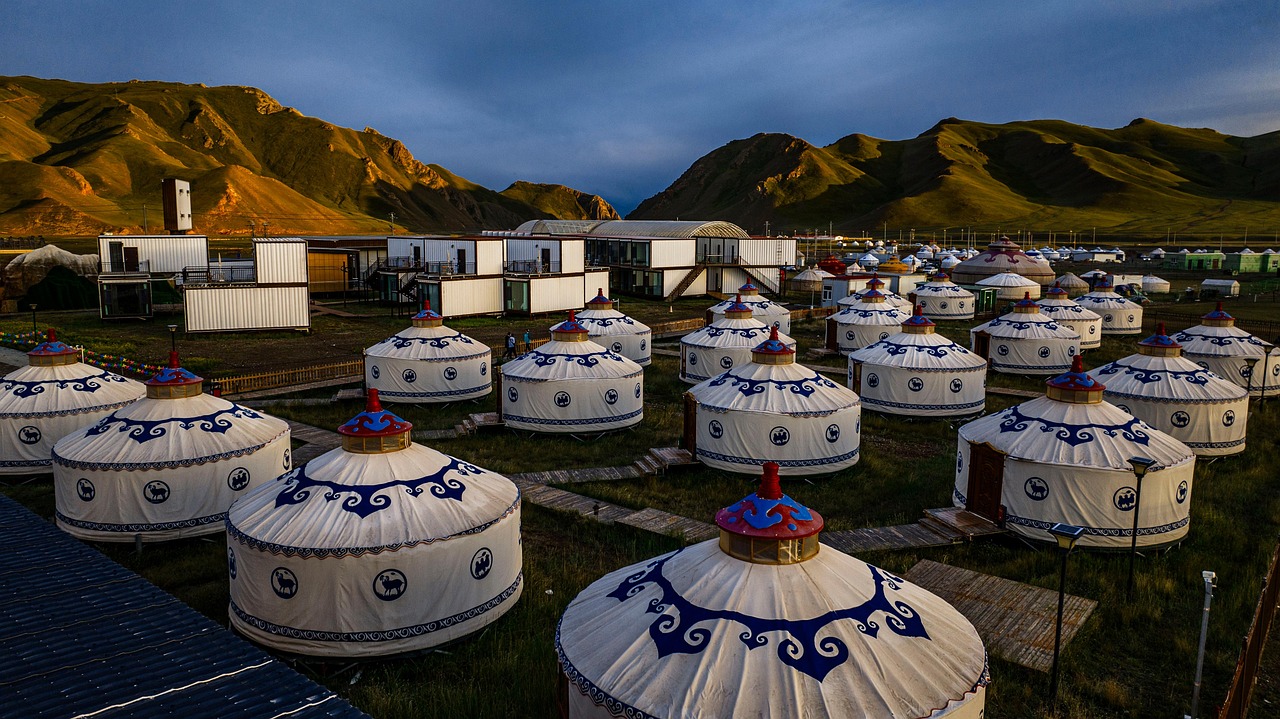
A yurt stay in the Ak-Suu area means sleeping in a felt yurt at a seasonal camp, usually with meals provided by the camp. Yurt camps in the region run from June 1 to September 30, at altitudes of 2,500 to 3,000 m, offering yurts and sometimes tents. Camps sit in alpine valleys surrounded by meadows, rivers, and peaks, and they serve trekkers moving through the passes as well as travelers who come just to stay.
Inside the yurt
Yurts at these camps are the traditional round felt tents, often decorated inside with handmade felt carpets. One tour operator notes that showers and toilets are usually in a separate building nearby, not inside the yurt, so expect to walk outside at night. Cabins and tents may sit alongside the yurts at larger camps. Bring warm sleepwear and thick socks even in summer, since nights at altitude are cold.
Meals and the camp routine
Meals are usually part of the stay, served in a shared dining yurt or tent. Expect simple mountain food: soups like shorpo, bread, dairy, and meat dishes. Tea is a familiar part of hospitality at family-run guesthouses and yurt camps in Kyrgyzstan. Ask the camp what is included before you arrive, since lunch and dinner are sometimes extras, and confirm whether drinking water is provided.
What a yurt stay is not
A yurt camp is not a hotel. Facilities are basic, weather sets the schedule, and the road in can close after heavy rain. Some camps offer paid wifi by the hour, but plan to be offline. This is normal for the mountains, and it is worth knowing before you go so the basics do not surprise you.
Altyn Arashan valley and its hot springs
Altyn Arashan is an alpine valley in Ak-Suu district at about 2,600 m, reached from Karakol by heavy-duty 4WD over a rough track. The drive climbs through pine forest along a rushing river to a wide valley ringed by peaks over 4,000 m, with views of Palatka Peak. At the top sit the natural hot springs, in indoor baths, plus a string of yurt camps and guesthouses (Altyn-Arashan valley tour). The valley is also the end of the classic Ala-Kul trek route.
The hot springs
The valley's draw, beyond the scenery, is the hot water. Traveler reports describe free hot springs along the river and paid versions nearer the camps, hosted by the local camps. After a trek or a cold morning, the springs are the main reason many travelers stay the night. Bring swimwear and a quick-drying towel, and check with the camp which pools are open and whether there is a fee.
The camps in the valley
A string of camps lines the valley, offering yurts, guesthouse rooms, and tents. Traveler reviews name Guesthouse Elsa and Arashan Lodge among the popular ones, but camps change hands and standards vary, so read recent reviews and confirm what your booking includes: bed type, meals, hot spring access, and transfers. In peak season the valley is busy, with walkers, riders, and 4WD vehicles sharing the single road.
The road up
The track to Altyn Arashan is rough and steep. Traveler reports put the drive at about 1.5 to 2 hours over 15 km, or about 5 hours on foot, with hikers and vehicles sharing the same road most of the way. Rental car agencies usually forbid this road, so arrange a 4WD with a driver in Karakol rather than driving yourself. After rain the track gets slippery and muddy, so check conditions before you set off and wear hiking boots, not sneakers.
Getting there from Bishkek
Karakol sits about 400 km east of Bishkek. The standard way in is a marshrutka, a shared minibus, from the Western bus station in Bishkek, taking 6 to 7 hours and costing 500 to 700 som, roughly $6 to $8. Minibuses run roughly hourly from about 7 am and leave when full. Air-conditioned GoBus coaches and a train-to-Balykchy-plus-minibus combination also run, but the marshrutka is the usual choice.
From Karakol to the valley
From Karakol, a marshrutka runs to Ak-Suu village from Aktilek station at the bazaar, taking about 30 minutes and costing 25 to 30 som. For Altyn Arashan, arrange a UAZ van or truck in Karakol; the ride takes about 1.5 hours over a steep, rough road, and the price is negotiated per vehicle, so sharing with other travelers cuts the cost. Confirm the pickup point in Karakol the day before, since station arrangements change.
Trekking from here
The Ala-Kul trek, the classic 3 to 4 day route near Karakol, runs from the Karakol Valley over Ala-Kul Pass to Altyn Arashan and Ak-Suu village, finishing with the hot springs. It needs no border permit: you pay a Karakol National Park fee of roughly 250 to 300 som, and Altyn Arashan charges a small separate fee. If you are planning treks in the wider region, check our Kyrgyzstan trekking permit guide for which routes need a border-zone permit and which do not.
Best season
Late June to mid-September is the window for the Ak-Suu area (best time to visit Kyrgyzstan). High passes are free of snow, yurt camps are open, and the Altyn Arashan road is passable. July and August are peak: warm days, cold nights at altitude, afternoon thunderstorms in the mountains, and company on the popular trails. June and September are quieter and often clearer, but some passes can still hold snow in June, and yurt camps start packing up by mid-September.
Month by month
- June: wildflowers at mid-altitude, camps opening, some passes still snowbound. Quieter.
- July to August: all passes open, all yurt camps operating, jailoos at peak green. Peak season.
- September: crisp nights, clear skies, fewer people. Camps close from mid-month. Fine for trekking, with earlier snow risk.
- October to May: yurt camps shut, high roads closed, hard cold. Not the season for a yurt stay.
Weather at altitude
Nights at 3,000 m regularly drop near freezing even in July, so pack a sleeping bag rated to around freezing. Mountain weather changes fast: carry a waterproof outer layer and warm layers whatever the month. In winter, Karakol's ski slopes carry the season instead, but the yurt camps are closed.
What to bring and practical tips
Pack for several climates in one trip. The list below covers a yurt stay plus the valley and light trekking.
Packing list
- Warm layers: fleece, insulated jacket, windproof top layer, warm sleepwear, thick socks.
- Footwear: sturdy hiking shoes with good grip for the valley track and treks.
- Sun protection: sunscreen, sunglasses, hat. UV is strong at altitude.
- Headlamp, power bank, charging cables. Camps may have limited or no charging.
- Reusable water bottle and water filter or purification tablets for treks. Treat stream water.
- Earplugs if you are a light sleeper. Yurt walls are thin and camps wake early.
- Cash in som. Foreign cards fail often enough that you should carry cash for camps, drivers, and hot spring fees.
- Offline maps downloaded to your phone. Mobile coverage in the valleys is patchy.
- Passport and insurance details. Buy insurance that names trekking at your maximum altitude.
Safety
Altitude matters: acute mountain sickness can start above 2,500 m, and Altyn Arashan sits at about 2,600 m with treks going much higher. Tell your host your route and return time before any hike. The unified rescue number is 112; police is 102, fire is 101, ambulance is 103. Do not count on a helicopter; there is no dependable tourist-facing helicopter service, so your insurance should cover off-road evacuation.
Money and etiquette
Confirm what your camp stay includes before you arrive: bed, meals, hot spring access, transfers. Prices are set locally and change, so this guide gives none; ask the camp directly. At camps, follow the host's lead, keep noise down at night, and ask before photographing people. If you buy kumys, fermented mare's milk, or felt goods from local families near the trailheads, prices are set locally and you pay directly.
Sources
- Wikivoyage: Ak-Suu district guide
- Take Your Backpack: Best time to visit Kyrgyzstan
- Kyrgyz Landscapes: Highlights of Issyk-Kul and Altyn-Arashan
- Wikipedia: Karakol Nature Park
- Encyclopedia: Issyk-Kul Region districts
- Indie Kyrgyz: Altyn-Arashan Ala-kul tour
- Azat Tours: Kyrgyzstan travel guide, visas, seasons
- Honge: Kyrgyzstan 8-day itinerary and packing