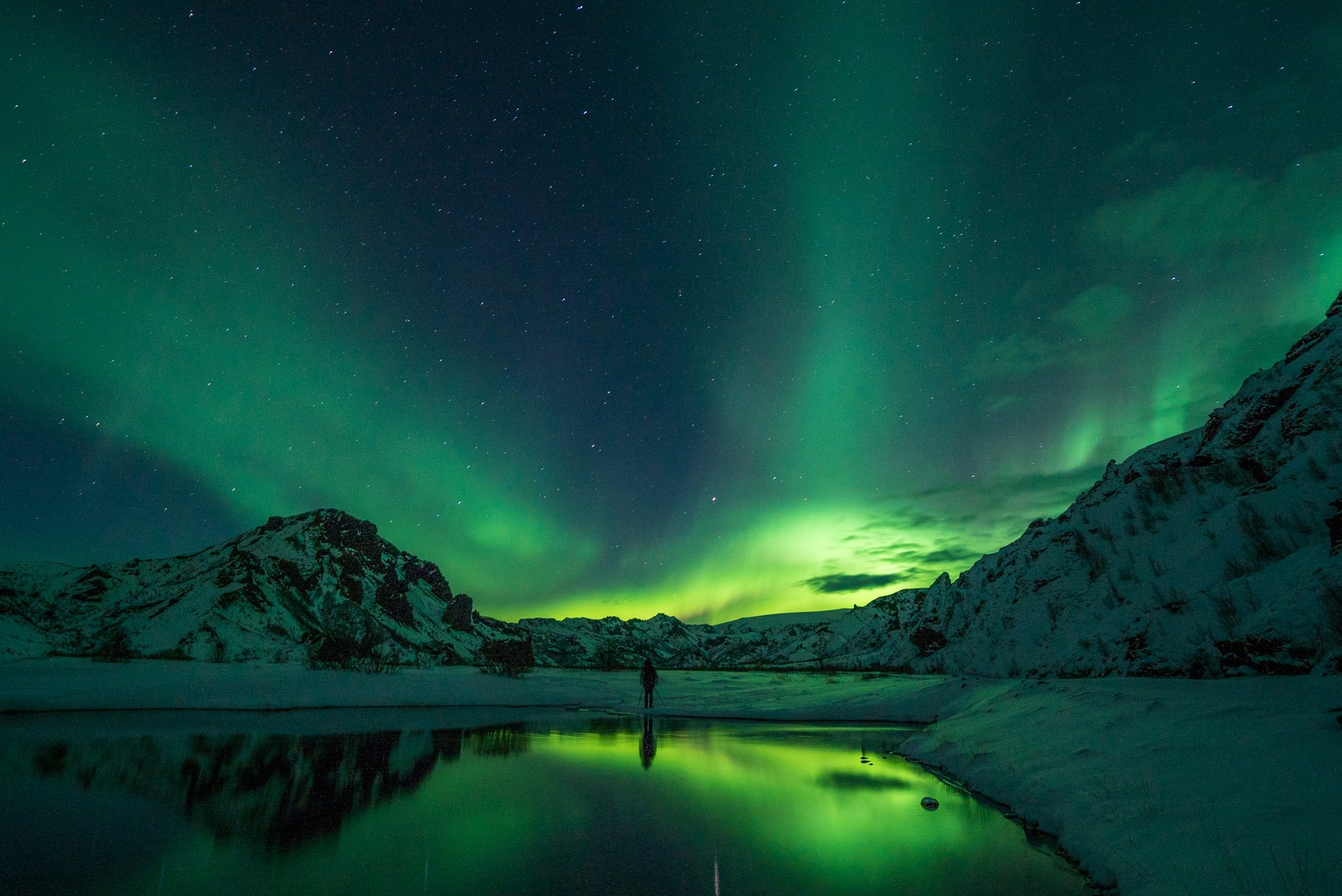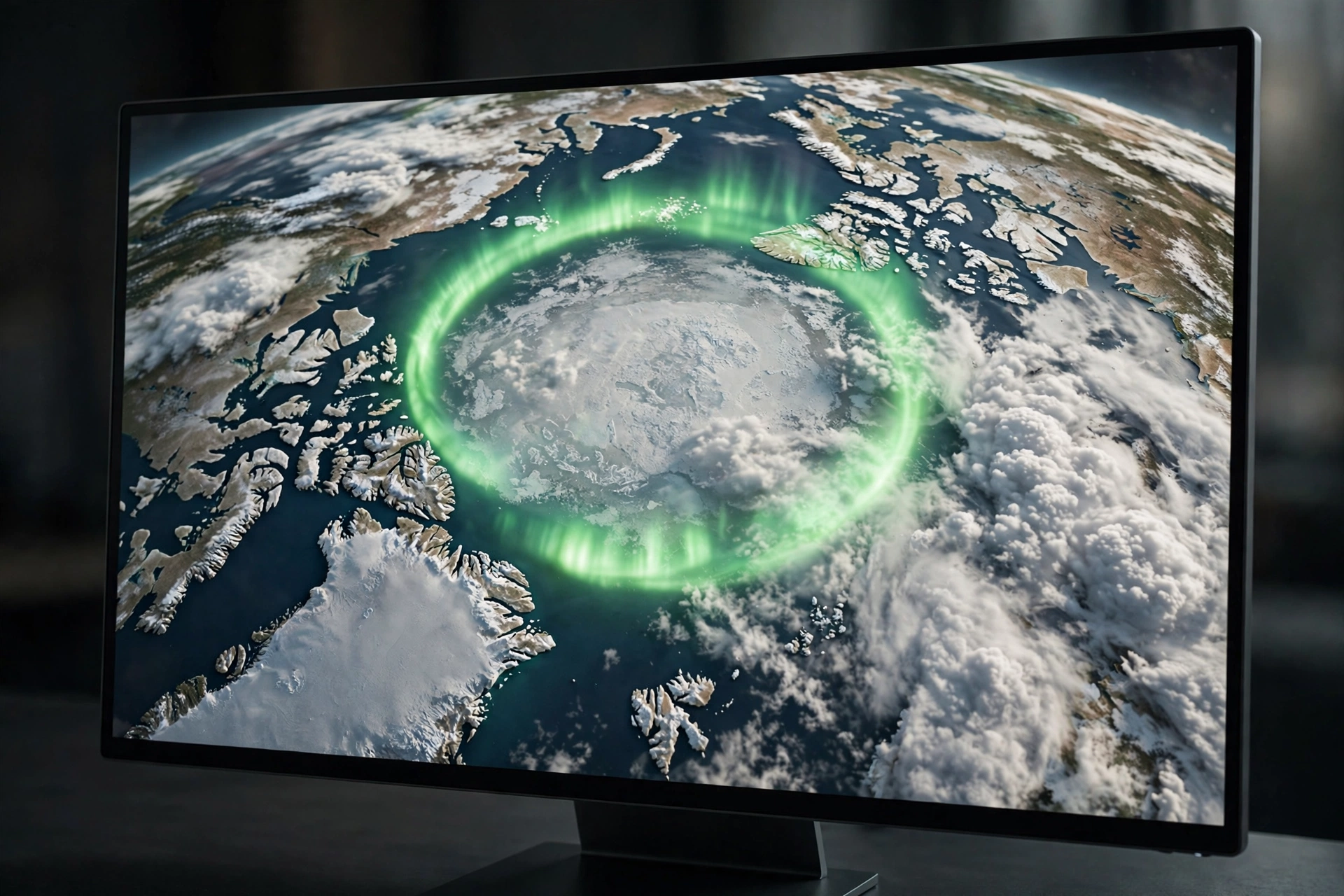

For Tromso northern lights, Tromso is the easiest first aurora base, with city services and darker surroundings. Stay 4 nights, use cloud data, avoid light pollution.
Why Tromso works for first trips
Tromso is an Arctic city with restaurants, transport and indoor backup plans. That makes it easier than a remote base when the sky stays cloudy. Visit Tromso gives an official season from late August to early April and says activity is often strongest between about 20:00 and 02:00, although it can appear at any time during a dark night.
For a wider comparison, see Tromso vs other European aurora bases.
Getting around
Fly to Tromso and use local bus or taxi. You do not need to drive to see the lights, and a car can create new risks in winter conditions.
Do not improvise roadside stops. Respect resting places, wear reflective clothing near roads, and drive for the conditions if you do drive. Official guidance warns drivers to avoid blind bends and to use safe, legal stopping places.
Where to watch safely
Choose a darker location outside the brightest streets, in a legal and safe spot. Avoid private land, frozen water, unmarked terrain and unlit roads.
Learn the route in daylight before your first night out. Tell someone your plan, check the weather warning, and keep a warm indoor backup plan.
City light
The city itself creates light pollution, so a darker edge-of-city location is better. Moving only a short distance from the brightest streets can help, but safety comes before a slightly darker spot.
Daylight planning: routes and backup plans
Good nights in Tromso start in daylight. Walk or ride your chosen route while it is still light, so you can see pavements, crossings, steps, icy patches, and places where the path narrows. Note where the street lights end, where the ground becomes uneven, and where you will stand to watch. A route that feels simple on a map can feel very different in the dark, especially when snow covers kerbs and path edges. If you cannot reach a spot safely in daylight, do not try it for the first time at night.
Choose viewing spots that are legal and clearly open to the public. A park edge, a public promenade, or a marked viewpoint is a safer choice than a private garden, a working harbour, a farm track, or land beside a private house. Stay on paths and public ground, keep clear of driveways and working areas, and leave gates and fences as you find them. If a sign says private land or no entry, respect it and choose another spot rather than asking for an exception in the dark.
Share your plan before you leave. Tell someone where you are going, which route you will use, when you expect to return, and what you will do if conditions change. Keep your phone charged and carry a power bank in a warm pocket, because cold can drain a battery faster than expected. Agree a simple check in time, and keep to it even if the sky looks promising. If you travel alone, a short written note at your lodging with your route and return time is a useful backup.
Build an indoor backup plan for every night, not only for cloudy nights. Pick a warm place you can reach easily, such as your lodging, a cafe, a museum, or another indoor venue, and know how long it takes to get there from your viewing spot. If the wind rises, snow starts, the temperature drops sharply, or you feel cold, tired, or unsure, use the backup plan and stop for the night. Check weather warnings before you leave and again during the evening, and treat a warning as a reason to change the plan. Before you go out, learn how to read a northern lights forecast so cloud and darkness, not guesswork, decide whether the trip is worth it.
4-night plan
- Arrival day: check the local weather source, identify a safe viewing area and learn the route in daylight.
- Nights one and two: watch from the best safe location supported by current cloud data.
- Day three: rest, visit a museum or indoor attraction, and recheck weather warnings and transport.
- Nights three and four: adjust only when fresh forecasts support a safer or clearer option.
Four nights is a practical planning target, not a promise of a sighting. More nights give cloud and activity more chances to align.
What to pack
- Warm base layers, an insulating mid-layer and a windproof outer layer.
- Insulated boots, warm socks, mittens, a hat and a neck covering.
- A reflective item or light when near roads.
- A charged phone and a power bank kept warm inside a pocket.
- A tripod and spare camera batteries if you plan to photograph the sky.
If the sky stays cloudy
Tromso still works as a trip. Visit museums, ride the cable car, see the Arctic Cathedral, learn about Sami culture, and enjoy daytime scenery. A trip built around one clear night is fragile. A trip with good daytime plans stays worthwhile if the aurora does not appear.
Sources and further reading
Forecasts and safety notices can change, so check them again before going out.