
Seven stops, and every one of them is named by an authority a reader can check: four taquerias listed by the Michelin Guide itself, with their current distinctions stated as the Guide now gives them, and three markets presented by Mexico City's own visitor portal. That discipline matters here, because no official hygiene score exists for Mexico City street stalls. No index rates them, no badge certifies them, and any guide printing a number out of 10 for a named stall invented it, as the previous version of this article did. What can honestly be offered instead is this: the stalls an inspector guide stands behind, the markets the city itself recommends, the health authorities' real advice, and the festival calendar on its real dates.
The previous version of this article ranked seven stalls that cannot be verified, scored each one for hygiene out of 10, and attributed the scores to a "Mexico City Street Food Safety Index" and to health-inspection reports. Searches of the tourism ministry, the health ministry, COFEPRIS and the city government found no such index, no published per-stall scores, and no green "Certificado de Buenas Practicas" badge with temperature logs; the article that carried them has been replaced rather than patched. It also placed Day of the Dead in December, put QR-code menus at "over 60 percent" of stalls without a source, and framed everything for 2025. One more correction runs the other way: the world's most repeated Mexico City food headline, that a taco stand holds a Michelin star, is itself now out of date in its usual form. Read on for which stand, and which stand holds the star instead.
The seven stops, and who names them
| Stop | Where | Named by | Go for |
|---|---|---|---|
| La Once Mil | Monte Everest 780, Lomas de Chapultepec | Michelin Guide: One Star (2026) | Prime arrachera and handmade tortillas |
| El Califa de Leon | Av. Ribera de San Cosme 56, San Rafael | Michelin Guide: in the selection (star held 2024-2025, withdrawn 2026) | The Gaonera taco, one of only four tacos served |
| Taqueria Los Cocuyos | Calle Simon Bolivar, Centro Historico | Michelin Guide: Bib Gourmand | Cauldron meats: cabeza, al pastor, evening suadero |
| Tacos de Canasta Los Especiales | Av. Francisco I. Madero 71, Centro | Michelin Guide: in the selection | Basket tacos by token, among the Guide's cheapest |
| Mercado de Coyoacan | Coyoacan | Mexico City's official visitor portal | Tostadas with guisados, the market's best seller per the city |
| Mercado de San Juan | Ernesto Pugibet 21, Centro | The city's Historic Markets listing | One of the city's historic public markets |
| Mercado de Jamaica | Guillermo Prieto 45, Jamaica | Mexico City's official visitor portal | The city's leading flower market, 5,000 varieties |
The four taquerias the Michelin Guide names
1. La Once Mil, the taqueria that currently holds a star
The Michelin Guide Mexico 2026, the Guide's third Mexico edition, awarded La Once Mil one star, and its inspectors single out exactly the two things a taco stands or falls on: top-quality meats, with a Prime arrachera they describe as hard to beat in any steakhouse, and handmade tortillas in several varieties cooked to order, backed by a range of salsas from a gentle raw salsa to a fiery arbol-and-morita one. The listed address is Monte Everest 780 in Lomas de Chapultepec; a branch exists elsewhere in the city, but the star attaches to the listed restaurant, and this guide does not transfer it. Michelin's own summary calls it a taco temple that rises above a city teeming with tacos. It is the only taqueria in the current guide carrying a star.
2. El Califa de Leon, the first taco stand ever starred, and no longer starred
El Califa de Leon made food history in 2024 as the first taqueria ever to receive a Michelin star, held the star in 2025, and lost it in the 2026 edition, when it was the only restaurant in Mexico to do so; it remains in the Guide's selection as a recommendation. None of that changes what the stand is, and Michelin's description of it is a study in restraint: a bare-bones counter with room for a handful of diners standing, four tacos only (gaonera, bistec, costilla and chuleta) and two salsas, red and green. Its creation, the Gaonera, is thinly sliced beef filet cooked to order and seasoned, in Michelin's account, with only salt and a squeeze of lime, while a second cook makes the corn tortillas alongside. Go because it is an elemental taco done perfectly, and because the queues its star created have a reason to shorten; do not go expecting to eat at a currently starred restaurant, because on the current guide, it is not one.
3. Los Cocuyos, the Bib Gourmand cauldron in the Centro
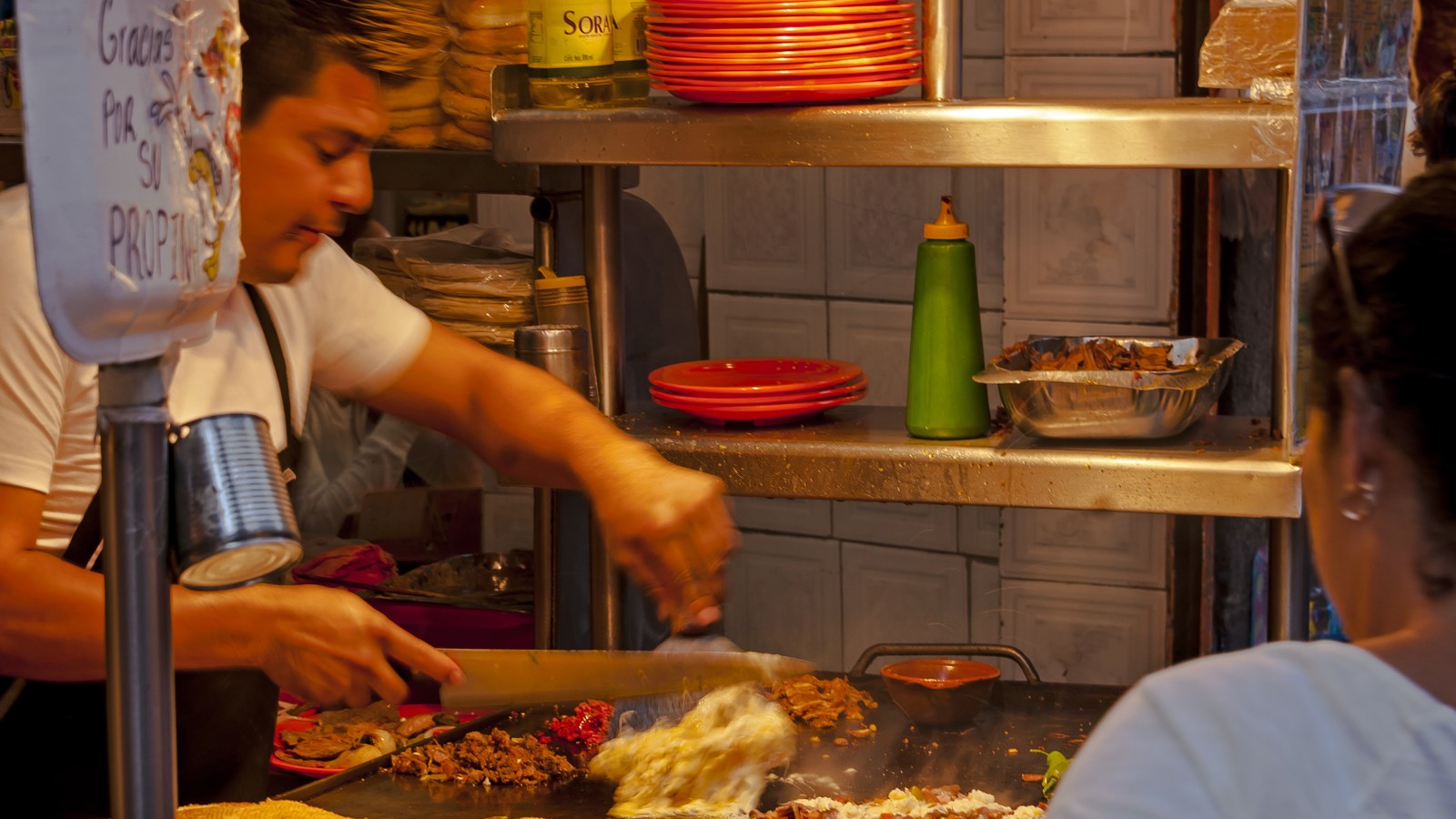
Michelin gives Los Cocuyos its Bib Gourmand, the Guide's good-value distinction, and dates the taqueria as a Centro Historico mainstay since 1980. The scene its inspectors describe is the cauldron: meats bubbling away at the front while a cook works a cleaver at speed, with an expansive dining room behind that fills because the place is busy. Their recent highlights are tender cabeza and the classic al pastor, finished with salsas and lime, and their practical tip is built into this guide's table: order the suadero later in the evening, when the meats have had plenty of time to braise. Of the four taquerias here, this is the one that shows the full range of the Mexico City taco counter in a single room.
4. Los Especiales, basket tacos by token, half a block from the Zocalo
Tacos de canasta are the city's basket tacos, steamed soft and carried in the basket they are named for, and Michelin's selection includes the stand that serves them on Madero, half a block off the Zocalo. Its inspectors describe the ritual precisely: a line in the street, cash in hand, tokens given at the small entrance to hand to the taquero for the number ordered, and a choice of four fillings (potato, beans, carne en adobo, and chicharron in salsa verde), finished with salsas, pickles, sliced cabbage and guacamole. They also note these are some of the least expensive tacos in the Guide, which is the honest version of a budget claim: not a price this article cannot source, but the inspectors' own comparison. One fame note, because readers will arrive with other names in mind: El Huequito, Taqueria Orinoco and El Villamelon are all famous Mexico City taco names, and none of them appears in the Michelin listings checked for this guide. Fame and a listing are different things, and this article keeps them separate.
The three markets the city itself presents
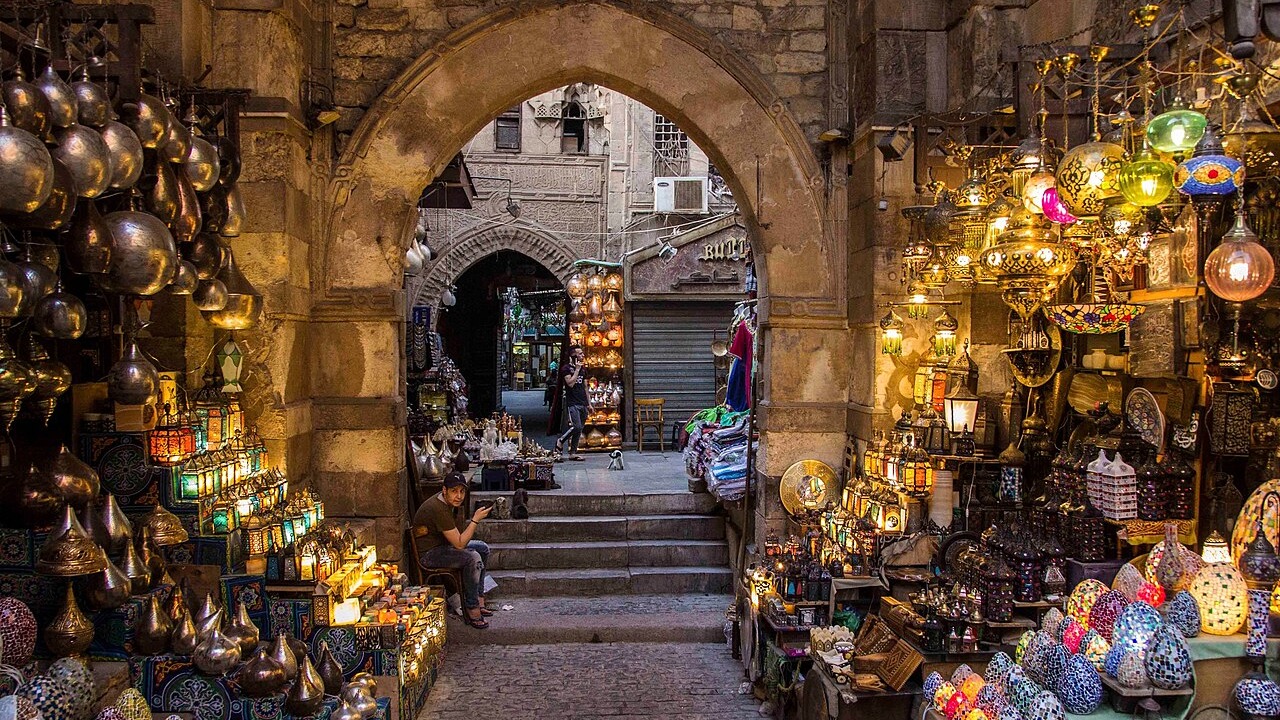
Mexico City's official visitor portal presents the Mercado de Coyoacan as a colourful place to eat, and names its anchor precisely: the many guisados, the stews, that go on tostadas, which the city calls possibly the best-selling food item in the market, with toppings running from mushrooms and tinga to pata or plain vegetables, finished with salsa. The city's own itinerary page adds the practical detail locals give: look for the bright yellow tablecloths. The portal lists the Mercado de San Juan, at Ernesto Pugibet 21 in the Centro, among the city's historic public markets, which it frames as among the best places to feel how old the metropolis is; this guide claims no more for it than the city does. And the Mercado de Jamaica, which the city calls its leading flower market, is here for colour and for the calendar below, not as a food claim: around 5,000 varieties of flowers and ornamental plants and some 1,150 vendors, on the city's figures, in a market building opened in 1957. In late October those stalls carry the marigolds that the whole city is about to use.
Safety, stated the way the authorities state it
Begin with what does not exist, so no reader goes looking for it: no official index, score or badge for Mexico City street stalls was found in the published material of the tourism ministry (SECTUR), the health ministry, COFEPRIS or the city government. Mexico does have a real national hygiene recognition, and it is worth knowing its name and its limit. The Distintivo H, run since 1990, is awarded by SECTUR and the health ministry to fixed food and beverage establishments (restaurants, hotel restaurants, cafeterias and fondas, in SECTUR's list) that meet the hygiene standard NMX-F605, verified against a checklist covering refrigeration, water and ice, preparation and personnel, which must be met at 90 percent satisfaction, with the recognition valid one year. A fixed-premises taqueria or fonda is the kind of business it describes; a street stall, as such, is not, and its internal 90 percent checklist threshold is a pass standard for inspectors, not a score to print beside a stall's name, which is the likely raw material from which the old article's invented scores were garbled. For the traveller's own rules, the citable authority is the CDC, and its position should not be softened: under its own street-vendor heading it advises travellers to avoid eating food from street vendors, and, for those who choose to anyway, to follow the same rules as for any food. Those rules, in the CDC's terms, are: eat food cooked and steaming hot, and avoid raw vegetables; avoid fresh salsas and sauces made from raw produce, cut fruit, and raw or citrus-cured seafood; wash hands with soap before eating, or use a sanitiser of at least 60 percent alcohol; drink from unopened factory-sealed bottles or cans rather than tap water, and avoid ice where clean water is in doubt. Followed plainly, a busy stall cooking to order in front of you is where those rules are easiest to keep, and that observation, not a score, is the honest safety guidance.
The calendar on its real dates
The frame for all of it is UNESCO's: traditional Mexican cuisine was inscribed on the Representative List of Intangible Cultural Heritage in 2010, as a cultural model built on corn, beans and chili, on milpas and chinampas, and on nixtamalization, the lime-hulling of maize; UNESCO names everyday tortillas and tamales as integral to Day of the Dead offerings, and it is the tortilla, UNESCO's word, that every taco in this article is built on. Day of the Dead itself falls on 1 and 2 November, as the city's culture secretariat states (1 November for the children, the "muertos chiquitos"; 2 November for the Fieles Difuntos, the adults), never in December. The city's Gran Desfile de Dia de Muertos is scheduled separately, on a Saturday in the festival window: the city's official 2026 guide publishes it for Saturday 31 October 2026 at 14:00, along Paseo de la Reforma to the Zocalo, the day before the observances (a separate citizen-organised Mega Procesion de las Catrinas runs on 25 October and should not be confused with it). The Jamaica market's marigolds belong to these weeks, and so does pan de muerto, the festival's bread: the city's own Festival del Pan de Muerto y el Chocolate runs 29 October to 2 November, and no authority publishes a wider formal season for it, so none is claimed here. The year's other great seasonal dish runs the opposite end of the calendar: chiles en nogada are a late-summer plate, found generally in September or the run-up to it in PROFECO's words, with Puebla's official 2026 season at Tochimilco running 24 July to 20 September, built on the season's pear, apple, peach, pomegranate and Castile walnut. A Mexico City food trip planned for late October into 2 November, or for the nogada weeks of late summer, is planned around dishes that actually exist in those weeks.
Sources
- Michelin Guide Mexico (guide.michelin.com): La Once Mil, One Star in the 2026 guide, and its inspectors' account of the Prime arrachera, handmade tortillas and salsas; El Califa de Leon, One Star in 2024 and 2025 as the first taqueria ever starred, the star withdrawn in the 2026 edition with the listing retained as a recommendation, and the inspectors' account of the Gaonera and the four-taco menu; Taqueria Los Cocuyos, Bib Gourmand, a Centro mainstay since 1980, the cauldron and the evening suadero; Tacos de Canasta Los Especiales, in the selection, the token ordering and four fillings. No listing was found for El Huequito, Taqueria Orinoco or El Villamelon.
- UNESCO Intangible Cultural Heritage: Traditional Mexican cuisine, ancestral, ongoing community culture, the Michoacan paradigm (inscribed 2010), corn, beans and chili, nixtamalization, and tortillas and tamales in Day of the Dead offerings; Indigenous festivity dedicated to the dead (inscribed 2008, proclaimed 2003), festivities at the end of October to the beginning of November: ich.unesco.org
- Mexico City official visitor portal (Gobierno de la Ciudad de Mexico): Mercado de Coyoacan as a place to eat, its tostadas and guisados as possibly the market's best-selling food item, and the yellow-tablecloths tip; the Historic Markets listing for Mercado de San Juan, Ernesto Pugibet 21; Mercado de Jamaica as the city's leading flower market, around 5,000 varieties and 1,150 vendors; the official 2026 Day of the Dead guide, the Gran Desfile on Saturday 31 October 2026 at 14:00, Reforma to the Zocalo, and the separate Mega Procesion de las Catrinas on 25 October: mexicocity.cdmx.gob.mx
- Secretaria de Cultura CDMX / PROCINE: Day of the Dead on 1 and 2 November (1 November the "muertos chiquitos", 2 November the Fieles Difuntos); Festival del Pan de Muerto y el Chocolate, 29 October to 2 November: cultura.cdmx.gob.mx; procine.cdmx.gob.mx
- SECTUR (gob.mx): Distintivo H, the recognition awarded by the tourism and health ministries since 1990 to fixed food and beverage establishments meeting NMX-F605, its 90 percent verification checklist and one-year validity: sectur.gob.mx; gob.mx/sectur. Searches of SECTUR, Salud, COFEPRIS and CDMX material found no street-food safety index, no published per-stall hygiene scores and no stall badge.
- CDC, Travelers' Health, Food and Drink Considerations When Traveling: the street-vendor avoidance advice and the rules for travellers who choose street food (cooked and steaming hot, avoid raw vegetables and fresh salsas, hand hygiene, sealed bottled drinks, ice caution): cdc.gov
- Gobierno de Puebla, Secretaria de Desarrollo Turistico: the 2026 chiles en nogada season at Tochimilco, 24 July to 20 September; PROFECO: chiles en nogada generally found in September or the run-up to it: puebla.gob.mx; gob.mx/profeco