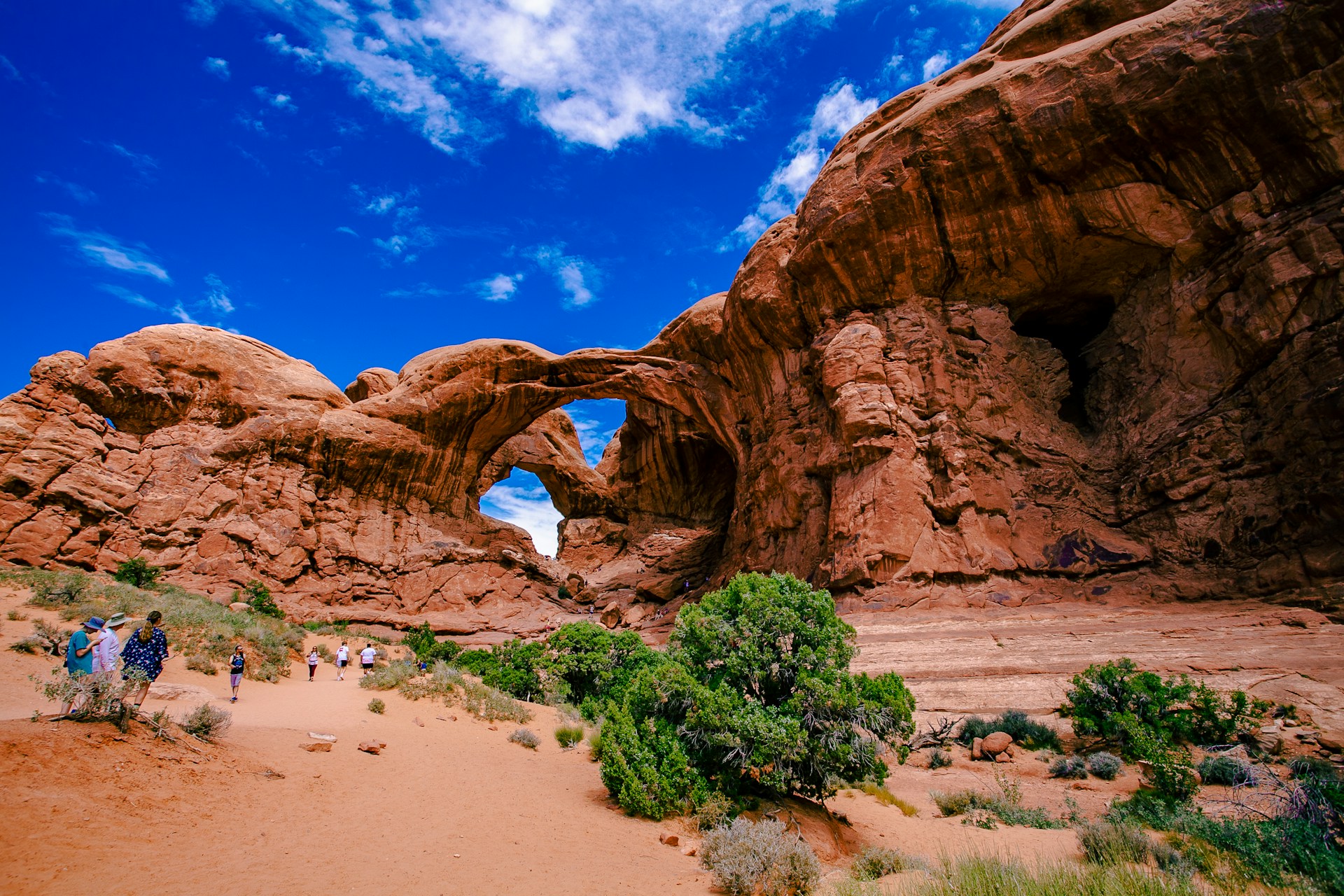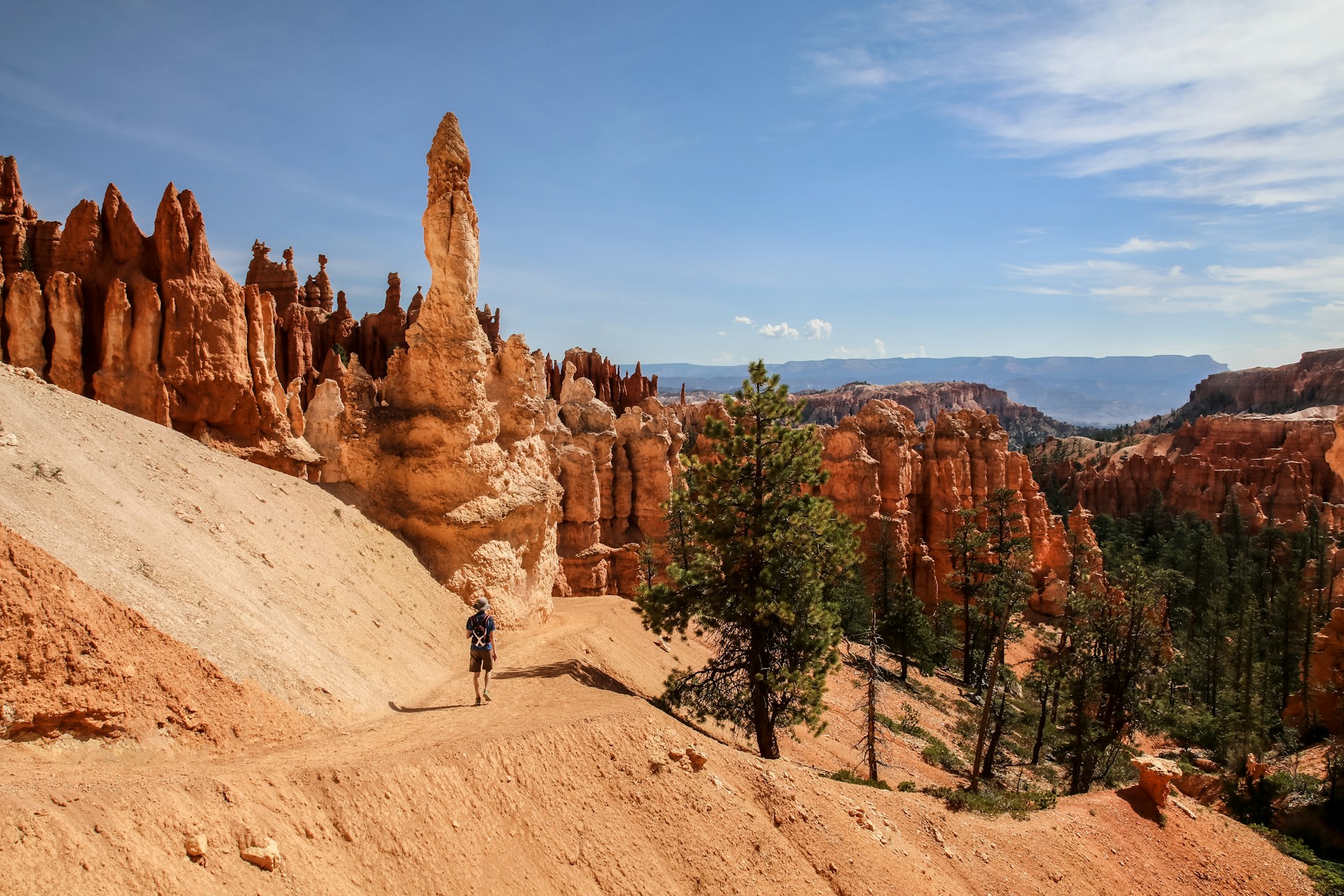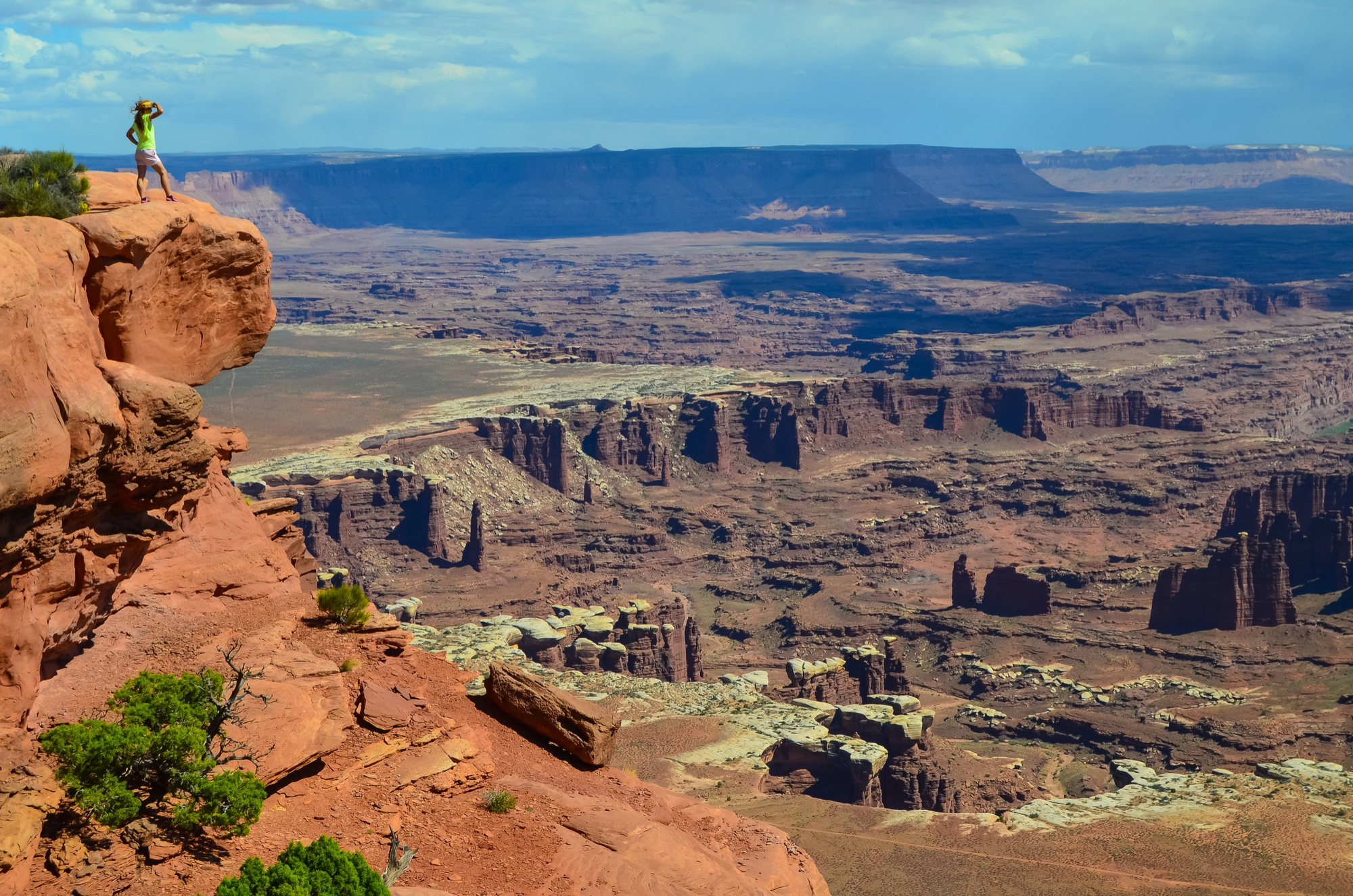


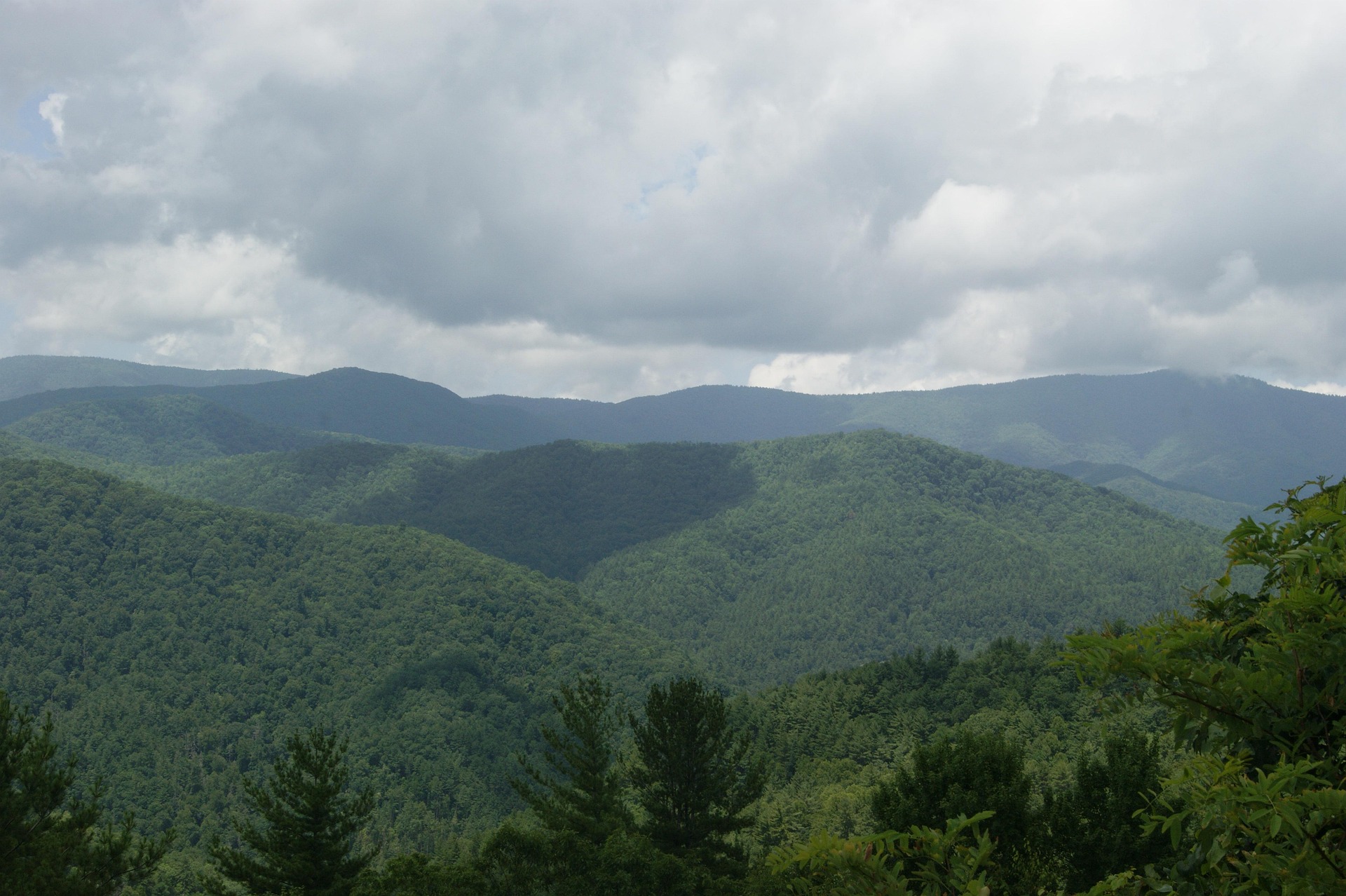
The most visited US parks in 2025
If you are choosing between the best national parks in usa for a first big trip, start with the numbers, then choose by the kind of day you actually want. The National Park Service counted more than 323 million recreation visits across its system in 2025. Among the parks with the national park title, Great Smoky Mountains was first by a wide margin, with 11,527,939 visits. Zion was second with 4,984,525, then Yellowstone with 4,762,988. High visits do not make a park better. They tell you where planning matters most, because parking, shuttles and popular viewpoints fill first in the parks at the top of this list.
Answer: The most visited of the best national parks in usa in 2025 was Great Smoky Mountains National Park with 11,527,939 recreation visits, followed by Zion, Yellowstone, Grand Canyon and Yosemite, based on National Park Service 2025 visitation figures.
| Rank | Park | 2025 visits | Known for |
|---|---|---|---|
| 1 | Great Smoky Mountains | 11,527,939 | Layered ridges, forest roads and waterfalls |
| 2 | Zion | 4,984,525 | Red rock canyon and canyon floor walks |
| 3 | Yellowstone | 4,762,988 | Geysers, hot springs and wildlife valleys |
| 4 | Grand Canyon | 4,430,653 | The canyon rim and below rim trails |
| 5 | Yosemite | 4,278,413 | Granite walls, waterfalls and the valley floor |
| 6 | Rocky Mountain | 4,171,431 | High alpine roads and mountain lakes |
| 7 | Acadia | 4,079,318 | Rocky Atlantic coast and carriage roads |
| 8 | Grand Teton | 3,800,648 | Sharp peaks rising straight from the valley |
| 9 | Olympic | 3,584,187 | Rainforest, coast and mountains in one park |
| 10 | Glacier | 3,136,557 | Alpine lakes and the Going-to-the-Sun Road |
Source: National Park Service Visitor Use Statistics, 2025 annual visitation. Visits count recreation visits, not individual people, so one person visiting twice counts twice.
How to choose between these parks
For a first trip with easy wins: Great Smoky Mountains, Grand Canyon and Acadia
Great Smoky Mountains suits a road based trip, with scenic drives, short walks and waterfalls spread across a large park, which helps visitors spread out. Grand Canyon is the simplest to understand on a first visit: stand on the rim, take in the scale, then walk a short section below the rim only if you are prepared for the climb back up in heat. Acadia pairs coast and low mountains in a compact area, so it works well for a shorter trip where you want sea air and walking in the same day.
For drama and geology: Yellowstone, Zion and Yosemite
Yellowstone is the park that does not behave like anywhere else. It protects more than 10,000 hydrothermal features and more than 500 geysers, alongside wide valleys where wildlife watching is part of a normal day. Give it more than one day, because the park is large and the best stops are spread across long drives. Zion concentrates its scenery into one main canyon, which makes it feel intense and also makes timing and shuttle planning more important. Yosemite is built around granite: El Capitan, Half Dome viewpoints, and waterfalls dropping into one famous valley. The valley is only part of the park, and spreading your day beyond it is the easiest way to change the feel of the trip.
For high mountains: Rocky Mountain, Grand Teton and Glacier
Rocky Mountain and Grand Teton are both about altitude and sharp peaks, but they feel different. Rocky Mountain is a driving and short hike park built around high roads and alpine lakes. Grand Teton is more vertical at first sight, with peaks rising directly behind flat valley floors and lakes. Glacier is the most seasonal of the three. Its famous Going-to-the-Sun Road runs for about 50 miles across the park and climbs to Logan Pass at 6,646 feet. Snow decides when that road can open and close, so a Glacier plan always needs a date check first.
For variety in one park: Olympic
Olympic is the outlier on this list in a good way. In one park you can walk in moss covered rainforest, stand on a wild Pacific beach, and look up at glaciated mountains. The areas sit apart from each other, so treat Olympic as three smaller trips joined by driving, not as one viewpoint you can finish in an afternoon.
Reservations and entry rules to check before you go
Rules change by park and by year, so check the official park page for your exact dates rather than relying on an old blog post, including this one.
- Yosemite: Yosemite will not use a timed reservation system in 2026. The National Park Service announced it will no longer use that system for 2026 and will manage busy days with traffic and parking measures instead. Campground, lodging and specific activity permits are separate and still need their own booking.
- Rocky Mountain: Rocky Mountain uses a Timed Entry system in its busy season, booked through Recreation.gov. Check which entry type your plan needs and book on Recreation.gov, not through a reseller.
- Glacier: Vehicles longer than 21 feet or wider than 8 feet are prohibited on parts of the Going-to-the-Sun Road. Measure your vehicle, including mirrors and any hire vehicle, before you plan to drive the full road.
- Every park: Entrance passes, road closures and seasonal openings are confirmed only on the National Park Service page for that park. Check again in the week before you travel.
Pair this list with timing, not just rankings
A ranking tells you where everyone else went. It does not tell you when to go. If your trip is in Europe rather than the United States, use our Best National Parks in Europe off-peak guide to compare 12 European parks by their quieter months. If your US dates are fixed to a busy season, the ranking matters less than your daily plan, so read How to Avoid Crowds in National Parks next and apply its early start, weekday and shoulder season steps to the park you choose. The parks at the top of the table can still feel calm at the right hour. The parks lower down can still feel busy at one famous viewpoint at midday.
Entrance passes and the 2026 prices
From 1 January 2026, the America the Beautiful annual pass costs USD 80 for US residents and USD 250 for nonresidents, on the US Department of the Interior's published pricing. Nonresidents without an annual pass also pay a USD 100 per person surcharge, on top of the standard entrance fee, at 11 of the most visited parks: Acadia, Bryce Canyon, Everglades, Glacier, Grand Canyon, Grand Teton, Rocky Mountain, Sequoia and Kings Canyon, Yellowstone, Yosemite and Zion. The annual pass covers the surcharge, which is why it pays for itself quickly on a multi-park trip, and the 2026 fee-free days are for US residents only. Check the current position on the National Park Service passes page before you travel, because fee rules are set park by park and year by year.
Sources
- National Park Service Visitor Use Statistics 2025
- National Park Service Yosemite Entrance Reservations / 2026 news
- National Park Service Glacier Going-to-the-Sun Road
- National Park Service / Recreation.gov Rocky Mountain Timed Entry
- National Park Service Yellowstone hydrothermal
- US Department of the Interior: modernized national park access and 2026 pass pricing