
Yes, a European city break can still come in under GBP 150 in 2026, but only if you define the number honestly: return flight (cabin bag only, midweek, shoulder season) plus 2 nights plus airport transfers and a city transport pass. On fares and prices observed in mid-October 2026, that model lands at GBP 89-132 in Krakow, GBP 93-120 in Sofia and GBP 106-142 in Budapest. Porto just makes it in a private room (GBP 148.70) and Lisbon only makes it in a dorm (GBP 137-143). Food, sights and any checked bag sit on top, and this article prices those openly too instead of hiding them.
Most "city break under GBP 150" articles cheat the same way: a one-way-looking flight price, one night in a dorm, and silence about food, transfers and the second night. This one runs a fixed model instead, the same basket for five cities: the cheapest sensible return fare from London (Stansted, Luton or Gatwick; the low-cost carriers do not fly these routes from Heathrow), two nights, the real airport transfer, and the official city pass, using operator and official prices gathered in October 2026. Fares are dynamic, so treat every number here as a dated observation, not a promise, and rebuild the basket for your own dates before you book. When you are ready to think bigger than a weekend, our budget travel destinations guide covers the longer-game version of the same discipline.
The model, city by city
| City | Flight from London | Model total: dorm | Model total: private room (solo) | Verdict |
|---|---|---|---|---|
| Krakow | 2h20-2h30 | GBP 89 | GBP 132 (up to about GBP 153 on stricter dates) | Achievable |
| Sofia | About 3h05-3h20 | GBP 93 | GBP 120 | Achievable |
| Budapest | 2h25-2h30 | GBP 106 | GBP 142 | Achievable, tight for private rooms |
| Porto | 2h20-2h30 | GBP 120 | GBP 149 | Borderline |
| Lisbon | 2h50-2h55 | GBP 137 (GBP 143 with tourist tax) | GBP 214 solo; GBP 159 per person sharing | Dorm only |
What is NOT in the GBP 150: food (budget GBP 15-25 a day in the eastern cities, more in Lisbon and Porto, using the anchors below), paid sights (priced per city), a 10 kg cabin bag (always an add-on, see below), and Lisbon's tourist tax where noted. A realistic all-in weekend is GBP 180-230 in Krakow, Sofia or Budapest. That is still a bargain; it is just not the headline number, and pretending otherwise is how travellers blow the budget by Tuesday.
Krakow: the easiest yes
Krakow wins the test because everything is cheap at once, not because one thing is. The airport train to Krakow Glowny costs 20 PLN and the 72-hour all-zones city ticket is 55 PLN after the March 2026 fare restructure. Eat where students eat: the surviving milk bars (bary mleczne) serve a full Polish lunch of soup, pierogi and compote for a few pounds. The one serious excursion, Auschwitz-Birkenau, has an unusual cost shape: entry itself is free, with an entry pass reserved ahead at visit.auschwitz.org, but most visitors rightly go with a guide-educator or an organised day trip, which runs about GBP 15-55 depending on what is included. Book the pass or the trip before the flight; this is not a turn-up sight. Wawel Castle's priced exhibitions are the in-town splurge (check the castle site for the current exhibition prices, which vary).
Sofia: the value outlier
Sofia is the longest flight here (about 3h05-3h20) and the cheapest ground game in Europe. Bulgaria adopted the euro on 1 January 2026, so any price you remember in lev is history; the airport metro single is EUR 0.80, and the city is walkable enough that transport barely registers. The sights are disproportionately grand for the price: the Alexander Nevsky Cathedral is free to enter, the Roman Serdika ruins sit in the open around the metro stations, and a banitsa from a bakery window plus a proper mehana lunch keeps food near the bottom of this list. Sofia is also fully Schengen now (land borders joined in January 2025), so its days count inside the same 90/180 allowance as everywhere else in this article.
Budapest: yes, but watch the bath
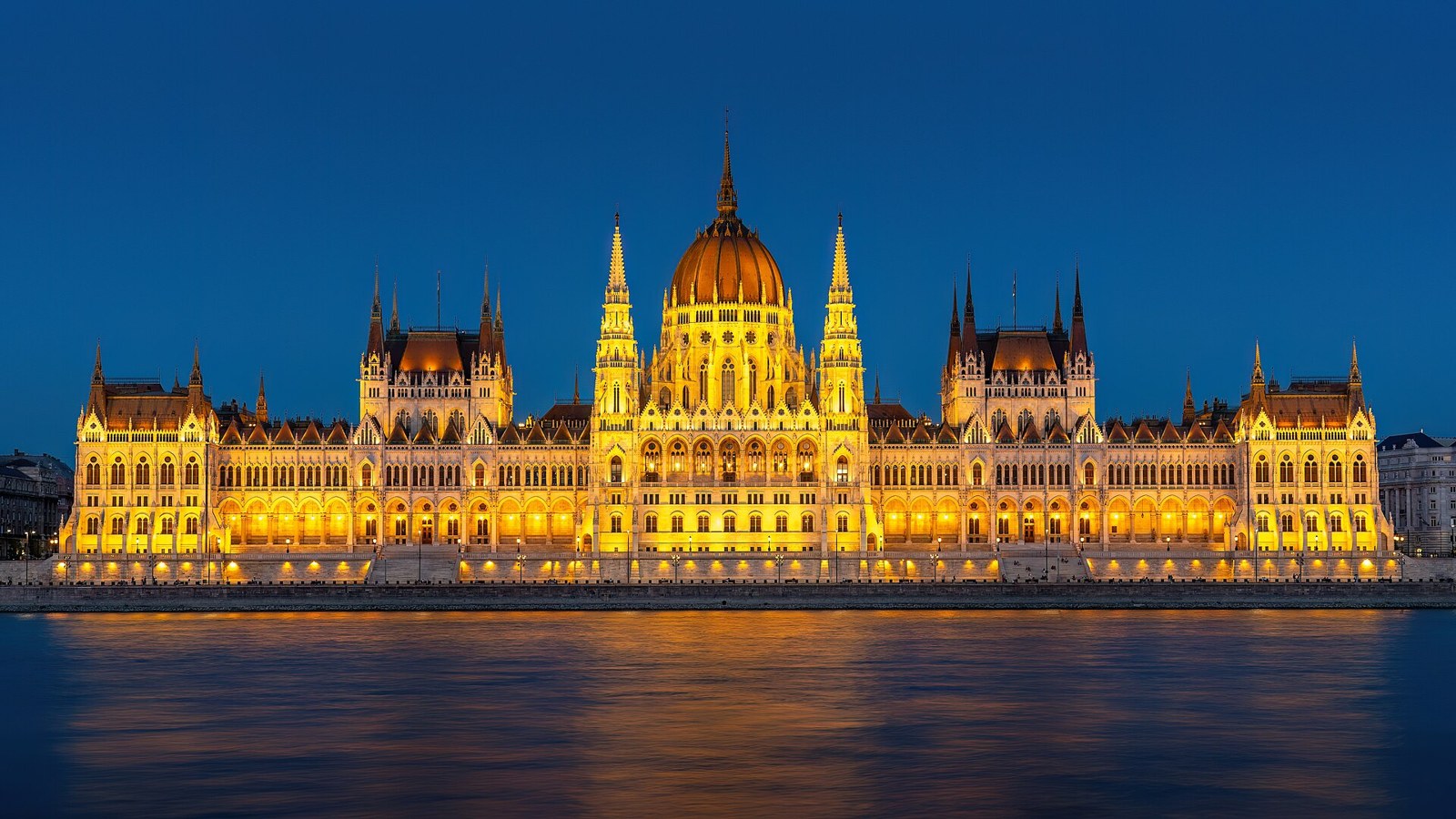
Budapest makes the number with the least headroom. The mechanics: the 100E airport bus costs 2,500 HUF and, importantly, city travelcards are not valid on it; the BKK 72-hour travelcard is 5,750 HUF (about GBP 13) and covers everything else. The trap is the famous splurge: a weekday locker ticket at Szechenyi Baths is 13,200 HUF, about GBP 30, which alone eats the private-room model's remaining slack, and Gellert Baths is closed for renovation until 2028. Go to Szechenyi anyway if baths are your reason for coming, and take the GBP 150 as beaten by a worthy exception; or use the smaller Lukacs or Rudas baths and keep the streak alive. A langos from a market stall is no longer a 500 HUF snack (that price is years old); budget accordingly and eat a workers' menu lunch in the Jewish Quarter or around the Great Market Hall.
Porto: borderline, honestly
Porto's transport is painless: the Andante Tour 3-day card is EUR 16.55 and includes the airport run on the metro's violet line. Beds are where Porto tightened: the dorm model lands at GBP 120 and the solo private model at GBP 148.70, which is under the line by the price of a coffee, before tourist tax and food. Verdict: achievable if you share a room or take the dorm, fragile if you do not. The paid anchor is a port lodge tour across the river in Vila Nova de Gaia, where the big houses run tours with tastings at moderate prices; the free anchors are the Ribeira riverfront, the Dom Luis I bridge's upper deck, and the city's azulejo-covered churches and station hall.
Lisbon: the dorm-only city
Lisbon is where the honest model pushes back. The flight is the longest of the western pair (2h50-2h55), beds cost more, and Lisbon's own charms keep demand high in every shoulder month. Two structural costs bite: Lisbon has no 72-hour transport pass, so three days means three 24-hour Carris/Metro passes at EUR 7.25 each, and the city's tourist tax adds up on top of the room. Total: GBP 137 in a dorm (GBP 143 with tax), GBP 159 per person sharing a private room, GBP 214 solo. Lisbon under GBP 150 exists, but it is a dorm-bed, carry-on, self-catering trip, and the article that sells it as anything more is flattering you. A bifana at a counter and the tasca lunch menus keep Lisbon food civilised rather than free.
The rules that actually apply to UK travellers
- Passport: two tests, not one "6 months" rule. Your passport must have been issued less than 10 years before the date you enter and be valid for at least 3 months after the day you plan to leave the Schengen area. Check both dates, especially on a passport renewed early.
- Stays: 90 days in any 180 across the whole Schengen area, all five cities included.
- EES: the EU Entry/Exit System has been fully operational since 10 April 2026. On your first entry you register a photo and fingerprints at the border; there is no fee and nothing to do in advance, but first post-EES arrivals can be slower, so do not schedule a tight connection off your first landing.
- ETIAS: it is not in operation, and the EU currently publishes no launch date for it. When it does start it will cost EUR 20 and last 3 years. Anyone selling you an ETIAS application today is selling you a scam or a middleman; the only official home is travel-europe.europa.eu.
- The cabin bag: on Ryanair, Wizz Air and easyJet basic fares, the free bag is a small personal item only (Ryanair's allowance grew to 40 x 30 x 20 cm in September 2025). A standard 10 kg cabin bag is a paid add-on on every one of these airlines. The GBP 150 model above assumes you pack into the small bag or pre-pay the add-on knowingly; a gate surprise is how the budget dies.
How people actually hit the number
Book the fare first, because it is the most volatile input: midweek departures in the shoulder months (March to May, mid-September to November; our November guide rates Lisbon among Europe's best bets that month), booked when the low-cost carriers drop their sale fares. Choose the bed by arithmetic, not vibes: in Lisbon and Porto the dorm-versus-private gap IS the budget. Eat one real meal a day at lunch prices (milk bars in Krakow, mehana set lunches in Sofia, tasca menus in Lisbon) and graze the rest. And use each city's free anchors hard: Nevsky Cathedral and Serdika in Sofia, the Wawel grounds and the Vistula boulevards in Krakow, the Parliament bank and the Danube promenade in Budapest, the Gaia riverfront in Porto, and the miradouros in Lisbon. The cities are generous; only the accounting needs to be strict.