Loading RoamFeast

Press Enter to Search

Logo

Log In Create Account

Easy Christmas Cake Recipe

Total 3h 30m
Prep 30m
Bake 3h
Serves 20
Level easy

AI Flavor Insights

Easy Christmas cake is a dark, richly fruited British cake, soaked in brandy and fed weekly until Christmas.
Bake low and slow at 150 degrees C for 3 to 3.5 hours in a lined, insulated 20cm tin, until a skewer comes out clean.
Cover with marzipan, leave it to dry for 24 hours, then finish with fondant or royal icing.

Easy Christmas cake is a richly fruited British cake baked for 3 hours in a 20cm tin, then fed with brandy every week until Christmas. It serves 20, and is finished with marzipan and royal icing or fondant after the marzipan has dried.

Christmas cake is a dense, dark, richly spiced fruit cake soaked in brandy or whisky, covered in marzipan, and finished with royal icing or fondant. It’s the centrepiece of the British Christmas table and one of the most misunderstood bakes in home cooking. The reputation for difficulty is largely undeserved. The technique is genuinely straightforward. What it requires is time, not skill.

What is Christmas cake?

It’s a heavily fruited, alcohol-soaked celebratory cake with roots in British medieval cookery. Dried fruits preserved in sugar and alcohol, warming spices, dark treacle, and ground almonds baked together at a low temperature for several hours until the interior is completely moist, dense, and almost fudgy. The cake is then fed additional alcohol weekly until Christmas, which deepens the flavour, preserves the cake, and produces the characteristic moist, boozy character that makes a mature Christmas cake completely different from a fresh one.

What makes this version easy?

No creaming. No sifting flour three times. No complicated layering. The dried fruit soaks overnight in brandy or orange juice, the butter and sugar are beaten together briefly, the eggs go in one at a time, the dry ingredients fold in, and the soaked fruit goes last. It bakes low and slow while you do other things. The hardest part is waiting.

Why does Christmas cake need to be made weeks ahead?

The feeding process, which involves spooning brandy or whisky over the baked cake weekly, is what produces a mature Christmas cake. A freshly baked Christmas cake tastes good. A cake fed for three to four weeks tastes extraordinary. The alcohol penetrates the crumb gradually, the dried fruit plumps further, and the spices meld together into something more complex and integrated than any fresh cake can achieve. If you’re making this the week before Christmas, it will still be excellent. If you’re making it in late October or November, it will be exceptional.

What does Christmas cake taste like?

Dense and rich without being heavy. Deeply fruity from the soaked dried fruit. Warmly spiced with cinnamon, mixed spice, and nutmeg. Slightly bitter from the dark treacle. Boozy from both the soaking process and the feeding. The marzipan layer adds a sweet, almond richness. The royal icing provides a clean, sweet contrast. Every layer is doing something specific.

What alcohol is used?

Brandy is the classic choice and the most widely used in British Christmas cakes. Dark rum gives a sweeter, molasses-forward character. Whisky, particularly Scotch, adds a smoky, complex depth that’s unusual but excellent. Sherry, specifically medium-dry oloroso, is a more delicate option. For an alcohol-free version, strong cold-brew tea, orange juice, or apple juice substitutes in both the soaking and feeding stages.

Recipe Profile

3 attributes
Category
Origin
United Kingdom
Season
Winter
ingredients icon

Ingredients

28 Items

recipe instructions

Instructions

8 Steps

1

Soak the fruit overnight

Combine all the dried fruit, candied peel, chopped apricots, orange zest, and lemon zest in a large bowl. Pour over the brandy or chosen alcohol and stir well to coat every piece. Cover tightly with cling film and leave at room temperature overnight, or for up to 48 hours for deeper fruit absorption. Stir once before baking. The fruit should look plump, glossy, and have absorbed most of the liquid. Any remaining liquid goes into the batter with the fruit. Don't discard it.

2

Prep the tin and preheat

Preheat the oven to 150 degrees C (130 degrees C fan). Grease a deep 20cm round cake tin. Line the base and sides with a double layer of baking parchment, letting the parchment extend 5cm above the top of the tin. The extended collar protects the top of the cake from over-browning during the long, slow bake. Wrap the outside of the tin with a double layer of brown paper or newspaper and secure with kitchen twine. This insulates the outside of the tin and prevents the fruit near the sides from cooking too fast and burning before the centre is done.

3

Beat butter and sugar

Beat the softened butter and dark brown sugar together in a large bowl with an electric hand mixer or stand mixer for 4 to 5 minutes until pale, fluffy, and noticeably increased in volume. The creaming step incorporates air into the batter and produces a lighter crumb structure in a cake that could otherwise be very dense. Add the black treacle and apricot jam and beat briefly to combine. The treacle darkens the batter immediately to a deep, almost black color.

4

Add the eggs

Add the eggs one at a time, beating well after each addition. If the batter curdles and looks split, add a tablespoon of flour from the measured amount before the next egg. A curdled batter at this stage doesn't ruin the cake but produces a slightly denser, less even crumb. Cold eggs curdled into cold butter is the most common cause. Room temperature eggs added to properly beaten butter at room temperature almost never curdle. Add the vanilla and almond extracts with the last egg.

5

Fold in dry ingredients and fruit

Sift the flour, mixed spice, cinnamon, nutmeg, cloves, and salt directly over the batter. Add the ground almonds. Fold gently with a large spatula using slow, sweeping movements until no dry flour streaks remain. Add all the soaked fruit and any remaining soaking liquid. Fold again until the fruit is evenly distributed through the batter. The batter will be very thick, almost stiff, and look impossibly full of fruit. That's correct. Spoon into the prepared tin and smooth the top with the back of a wet spoon. Make a small shallow dip in the centre of the batter with the spoon. The centre rises during baking and the dip compensates, producing a flat top rather than a dome.

6

Bake low and slow

Bake at 150 degrees C (130 degrees C fan) for 3 to 3.5 hours. Check at 2.5 hours. Cover the top loosely with foil if it's browning faster than the centre is baking. The cake is done when a skewer inserted into the centre comes out completely clean with no wet batter, just a few moist crumbs. The top should be deep brown, the edges pulling slightly from the tin, and the cake firm to a gentle press. An instant-read thermometer inserted into the centre should read 95 to 98 degrees C. Don't pull it early. Underbaked Christmas cake is sticky, dense, and won't feed alcohol without dissolving.

7

Feed the cake

Leave the baked cake to cool completely in the tin, at least 2 hours. Don't remove it while warm. Once cold, use a skewer to poke 20 to 30 small holes all over the surface of the cake, going about halfway down. Spoon 2 tablespoons of brandy evenly over the surface, letting it soak into the holes. Wrap the cake tightly in a double layer of baking parchment, then a layer of foil. Store in a cool, dry place or an airtight tin. Repeat the feeding process once a week until Christmas. Each feeding deepens the flavour, moistens the crumb further, and builds the boozy richness that defines a mature Christmas cake. Buy enough for the 5 tablespoons used for soaking plus 2 tablespoons per weekly feeding.

8

Apply marzipan and icing

On the day you plan to decorate, heat the apricot jam with a splash of water until liquid, then sieve to remove lumps. Brush the entire surface of the cake, top and sides, with the warm apricot glaze. Dust a clean surface with icing sugar and roll the marzipan to a circle large enough to cover the top and sides of the cake completely. Drape over the glazed cake and smooth with your hands, pressing firmly to the sides. Trim excess at the base. Leave to dry for 24 hours before icing. For the final step, roll the fondant and drape it over the dried marzipan, or mix royal icing sugar according to the packet instructions and apply it over the dried marzipan. Royal icing swept into soft peaks with a palette knife is the traditional finish. Fondant rolled and draped gives a smoother, cleaner look. Both are correct.

nutrictions

Nutrition Facts

Per Serving

510.9kcal Calories approx.
protein 15%
7.3g
sodium 6%
140.2mg
cholesterol 15%
45.8mg
Vitamin D 2%
0.3mcg
Calcium 4%
41.3mg
Iron 8%
1.5mg
Potassium 6%
280.8mg

* Percent Daily Values are based on a 2,000 calorie diet. Your daily values may be higher or lower depending on your calorie needs.

Final Culinary Notes

What every cook needs to know about Christmas cake

Why does Christmas cake bake at such a low temperature for so long?

A high-starch, high-sugar batter loaded with dried fruit burns on the outside before the centre cooks through if baked at standard cake temperatures. The fruit and treacle near the surface of the tin reach caramelisation temperature very quickly. 150 degrees C is low enough that the heat penetrates the dense batter gradually from the outside in without scorching the exterior. Three to three and a half hours at this temperature produces a completely cooked, moist, evenly done cake. The brown paper around the outside of the tin provides further insulation and is a step worth taking.

What does feeding the cake actually do?

Feeding is the process of adding alcohol to the baked cake in small, repeated doses over several weeks. Each feeding penetrates the crumb slightly further than the last as the fruit absorbs what the previous feeding added. The alcohol carries the spice flavours through the cake as it distributes, matures the fruit further, and preserves the cake for longer than an unfed one would last. A cake fed four times over four weeks before Christmas has a noticeably more complex, rounded, deeply flavoured character than the same cake eaten fresh. The boozy intensity also mellows over time rather than tasting sharp or raw.

Can you make Christmas cake without alcohol?

Yes. Soak the fruit in cold-brew tea, orange juice, or apple juice overnight instead of brandy. Feed the cake weekly with the same juice. The cake won’t keep as long without alcohol as a preservative, maximum 2 weeks rather than months, but the flavour is still rich, spiced, and deeply fruited. Cold-brew tea is the best non-alcoholic substitute because the tannins in the tea complement the dark fruit and spice flavours in a way that plain juice doesn.

Why does the cake need ground almonds?

Ground almonds add fat, moisture, and a faint nutty richness that keeps the cake moist for weeks without any added liquid. They also soften the crumb structure and prevent the gluten in the flour from developing too much during the long bake, which would make the cake tough. A Christmas cake made without ground almonds has a slightly drier, chewier texture, particularly after several weeks of feeding. The ground almonds are not optional for a properly moist result.

How far ahead can you make Christmas cake?

Christmas cake can be made up to 3 months ahead and fed weekly throughout. The Stir-Up Sunday tradition in Britain, observed on the last Sunday before Advent, typically falls in late November and is the traditional starting date for making the Christmas cake. Making it in October is perfectly reasonable. The longer the feeding period, the deeper and more complex the finished cake becomes. A same-week Christmas cake is still good. A 6-week-fed cake is in a different category.

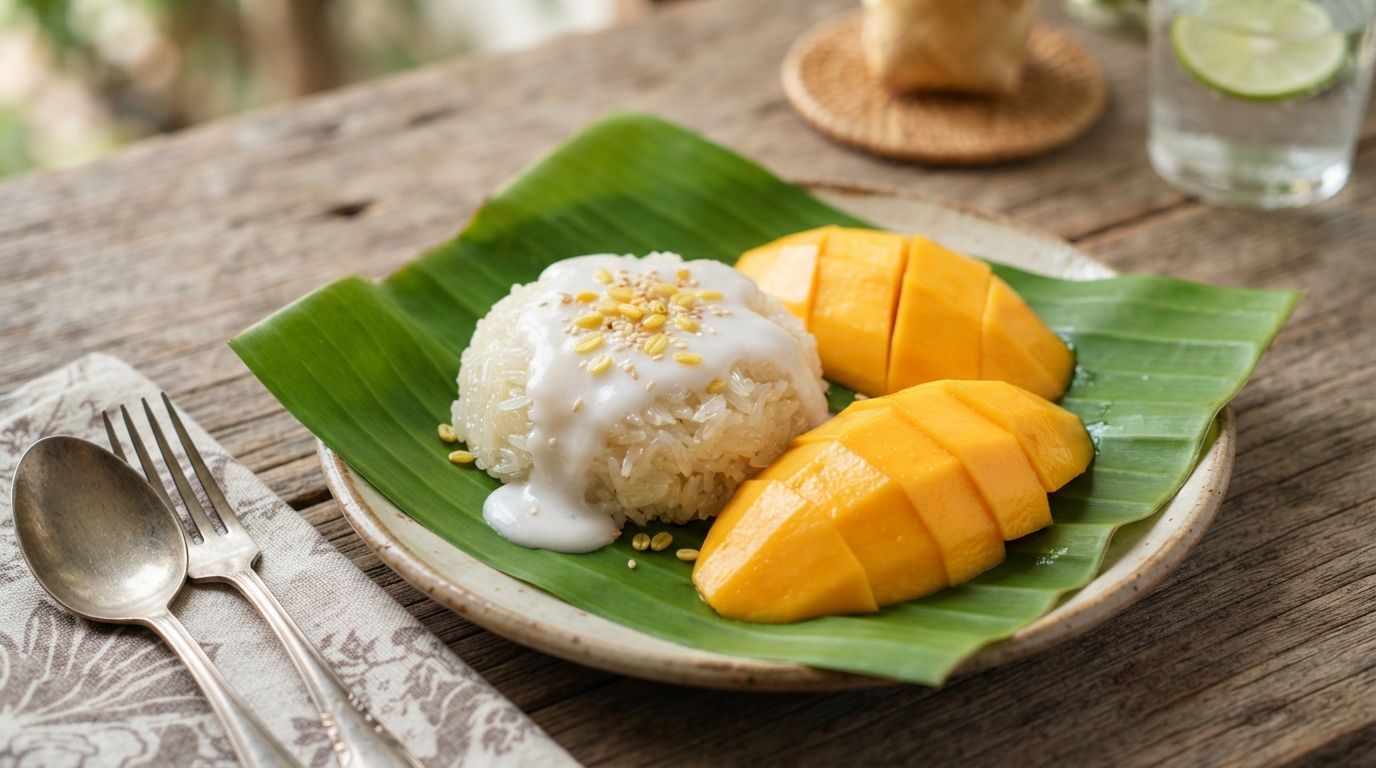
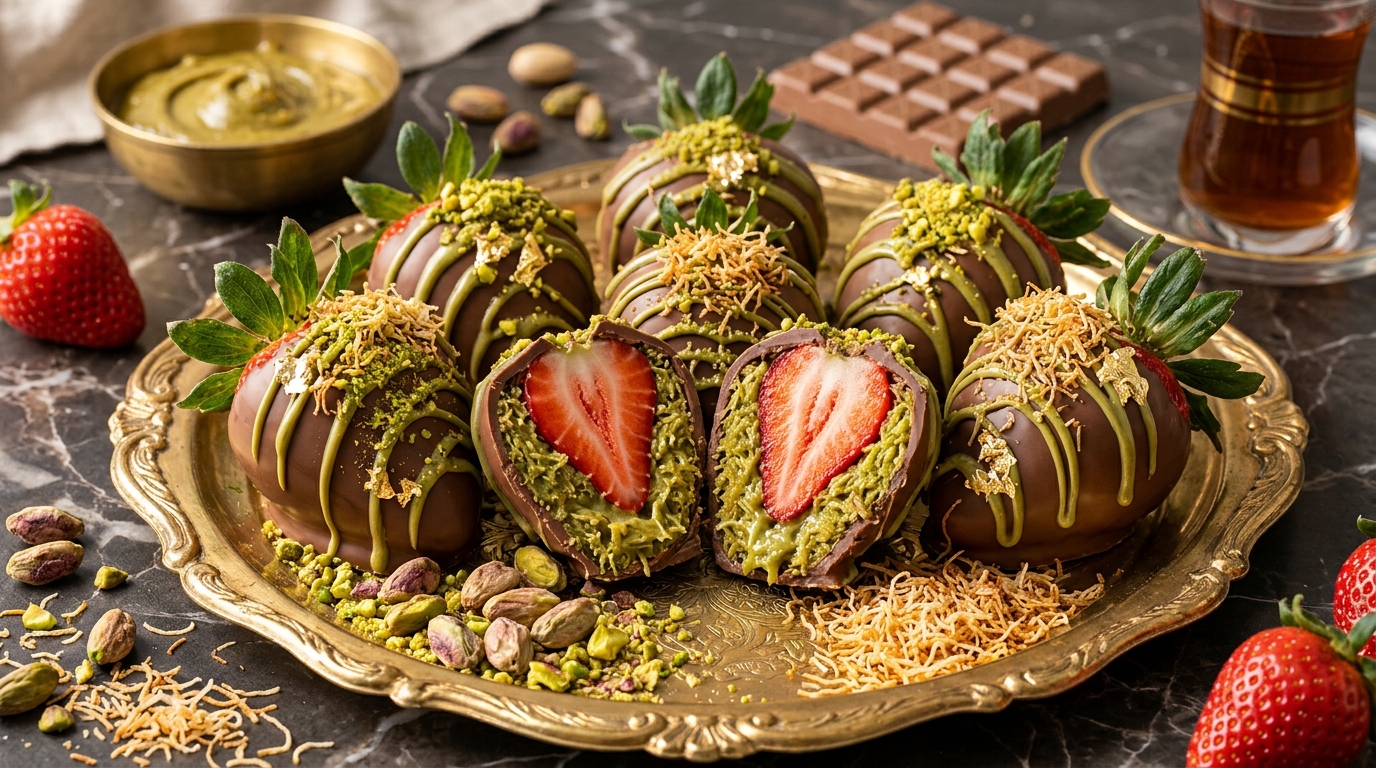
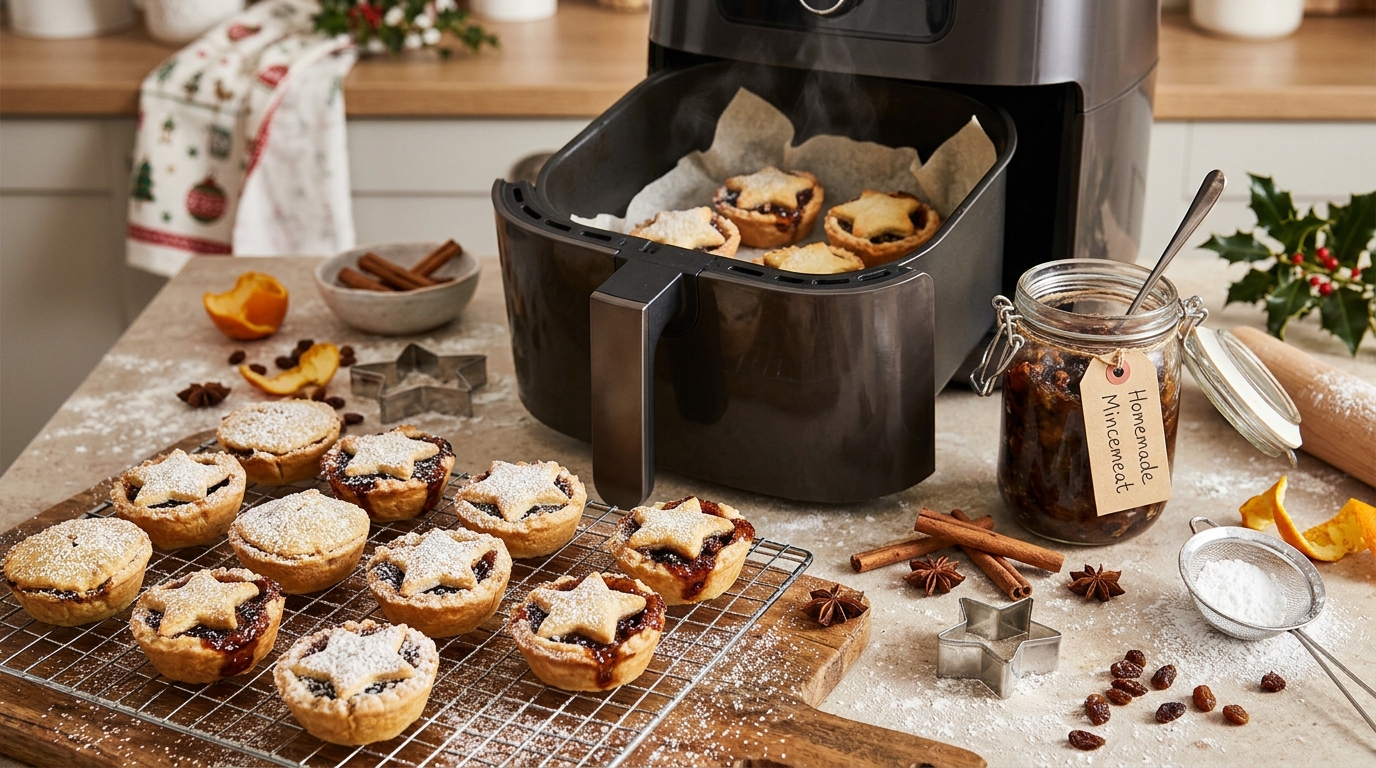
For a quicker Christmas bake, see our Air Fryer Mince Pies With Homemade Mincemeat Recipe. For a no-bake dessert, see our Dubai Chocolate Strawberry Cups. For festive travel ideas, see our Best Christmas Markets UK. For a lighter festive dessert, try Mango Sticky Rice Recipe (Khao Niao Mamuang).

Frequently Asked Questions

Christmas cake is a British celebration cake made from dried fruit soaked in alcohol, baked with warming spices, dark treacle, and ground almonds, then fed brandy or whisky weekly until Christmas. It's covered in marzipan and royal icing or fondant before serving. The tradition has medieval roots and the modern version has been a British Christmas centrepiece since the Victorian era. Similar traditions exist in Ireland, Australia, Canada, and parts of the Caribbean and South Asia.
Ideally 4 to 6 weeks before Christmas to allow time for weekly alcohol feedings that develop the flavour. The British tradition of Stir-Up Sunday, the last Sunday before Advent in late November, is the conventional starting point. Making it up to 3 months ahead is perfectly fine as the alcohol preserves the cake and the flavour continues to develop throughout. A same-week Christmas cake is still good but won't have the matured, complex character of a properly fed one.
After the cake has cooled completely, poke 20 to 30 small holes across the top surface with a skewer going about halfway down into the cake. Spoon 2 tablespoons of brandy, dark rum, or whisky evenly over the surface and let it absorb for a few minutes. Wrap tightly in a double layer of baking parchment and a layer of foil and store in a cool, dry place. Repeat this process once a week until you're ready to apply the marzipan and icing, typically 2 to 3 days before Christmas.
The dried fruit is the defining ingredient of Christmas cake. Removing it produces a very different cake that isn't really a Christmas cake anymore. If specific fruits aren't available or preferred, substitute freely within the dried fruit category: prunes for currants, dried figs for sultanas, dried mango or pineapple for cranberries. The total weight of dried fruit should remain around 780 to 800g for the recipe quantities given. Changing the specific fruits changes the flavour profile but not the structure of the cake.
Three likely causes. The cake was overbaked, which drives off the moisture the fruit and ground almonds were there to retain. The fruit wasn't soaked overnight before baking, meaning it absorbed moisture from the batter during baking rather than contributing it. Or the cake wasn't fed after baking, which is what keeps it moist over time. A dry but otherwise well-baked Christmas cake can be rescued by feeding it more generously than usual over the next two weeks before covering in marzipan.
Marzipan is a layer of sweet almond paste applied directly to the cake surface under the decorative icing. It seals the cake, prevents moisture from the cake staining the white icing, and adds an almond-sweet flavour layer between the dark fruit cake and the white coating. Fondant is a smooth, rolled white sugar paste used as the decorative outer layer. Royal icing is the alternative outer layer, made from icing sugar and egg white, traditionally swept into rough peaks to mimic snow. All three are correct for Christmas cake. The marzipan layer always goes on first regardless of which icing covers it.
Leave the marzipan to dry for 24 hours before icing. The method says to leave it to dry for 24 hours before icing, then roll the fondant and drape it over the dried marzipan, or apply royal icing over the dried marzipan.
Yes. Soak the fruit in cold-brew tea, orange juice, or apple juice overnight instead of brandy, and feed the cake weekly with the same juice. The cake will not keep as long without alcohol as a preservative, with a maximum of 2 weeks rather than months, but the flavour is still rich, spiced, and deeply fruited.

Rating & Reviews

0 ratings

0.0
Avg Rating

Want to share your feedback?

Sign in to rate this recipe and write a review.

Sign In to Rate
Elena Marchetti
Recipe By

Elena Marchetti

Elena Marchetti is a recipe editor at RoamFeast, developing and editing recipes from around the world for home cooks. She focuses on accurate quantities, clear step-by-step methods and dishes that work in a normal home kitchen, with details checked before publication.

Join Our Newsletter

Get the latest recipes and cooking tips sent straight to your inbox.

Follow Us

Table of Contents