
Eid Ul Adha 2027 is expected on Sunday 16 May 2027, subject to the sighting of the Dhul Hijjah crescent moon. It is the Festival of Sacrifice, marking the end of the Hajj pilgrimage. The day begins with a special morning prayer, followed by Qurbani, charity, family visits, and feasts. The Eid prayer is free, and there is no ticket.
When is Eid Ul Adha 2027
Eid Ul Adha 2027 is expected on Sunday 16 May 2027. That is 10 Dhul Hijjah 1448 AH on the Islamic calendar. The date is expected, not fixed: it is confirmed by the sighting of the Dhul Hijjah crescent moon, looked for about ten days before the festival. If the crescent is not sighted, Eid moves to Monday 17 May. Each country has its own moon-sighting committee, so some countries may observe Eid a day later than others. Check your local mosque or national announcement in the last week of Dhul Hijjah for the confirmed date. See the ZiyaraGo guide to Ramadan and Hajj 2027 dates and planning for the civil calendar position.
| Date 2027 | What happens |
|---|---|
| Friday 14 May (expected) | Hajj rites begin (8 Dhul Hijjah, Day of Tarwiyah). |
| Saturday 15 May (expected) | Day of Arafah: pilgrims stand at Arafat, the central rite of Hajj. |
| Sunday 16 May (expected) | Eid al-Adha: morning prayer, Qurbani, family visits, feasts. |
| Monday 17 May (fallback) | Eid moves here if the crescent is not sighted. |
| 16–19 May | Eid festival, four days, 10–13 Dhul Hijjah, including the Days of Tashreeq in Mina. |
What is Eid Ul Adha
Eid Ul Adha, also written Eid al-Adha, means the Festival of Sacrifice. It marks the end of the Hajj, the annual pilgrimage to Mecca, and it commemorates the willingness of Prophet Ibrahim to sacrifice his son in obedience to God. It is one of the two great festivals in Islam, alongside Eid al-Fitr. The date moves each year because the Islamic calendar follows the moon and is about 11 days shorter than the Gregorian calendar. See the full list of religious festivals in this category.
What happens on Eid Ul Adha
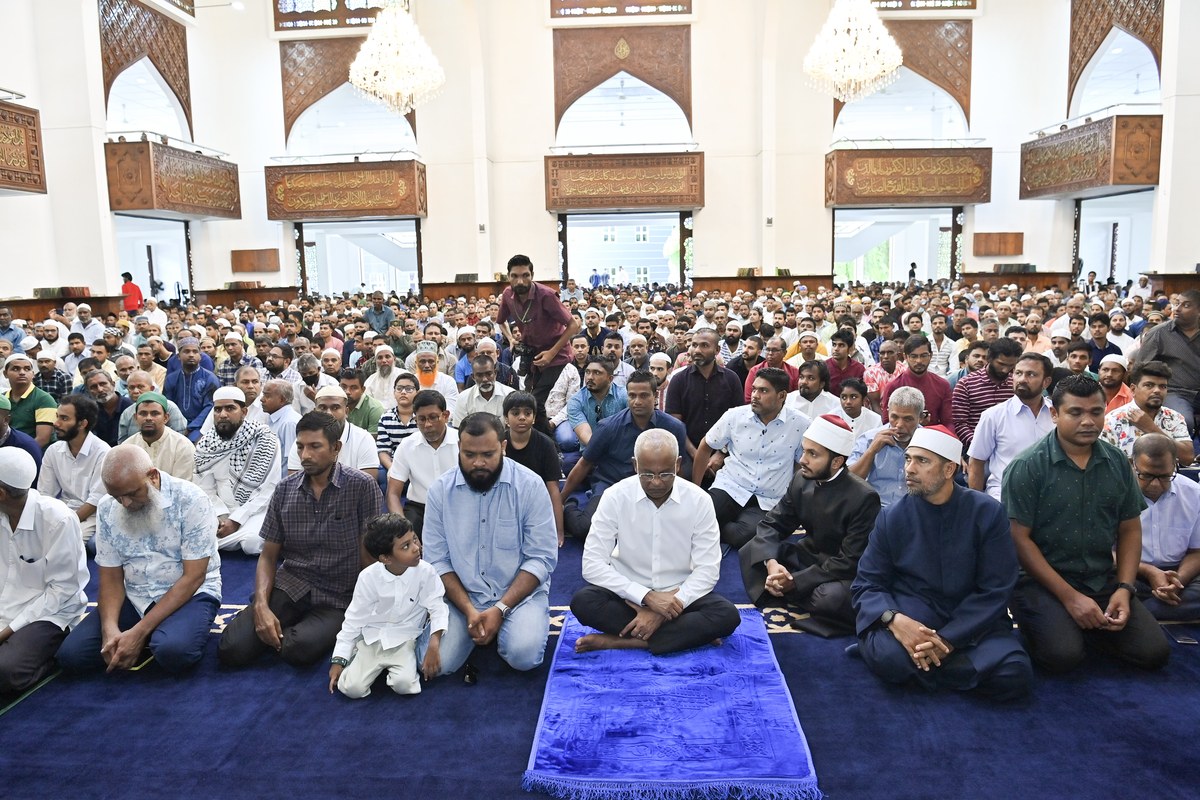
The day starts early. Muslims bathe, put on their best clothes, often new, and go to the Eid prayer, a special congregational prayer held in the morning after sunrise in mosques or open prayer grounds. Many Muslims wait to eat until after the prayer. After the prayer, people greet each other with "Eid Mubarak", meaning "Blessed Eid", visit relatives, friends, and neighbours, and share food. The Qurbani sacrifice follows the prayer. Fasting is not allowed on Eid day or on the three Days of Tashreeq that follow: these are days of celebration and feasting. Meanwhile, in Mecca, pilgrims complete the final rites of Hajj, including the stoning of the pillars in Mina, which marks Ibrahim's rejection of temptation.
Qurbani
Qurbani, also called Udhiyah, is the sacrifice of a healthy animal offered after the Eid prayer. The animal must be healthy and free of defects, and old enough: a sheep or goat at least one year old, a cow or buffalo at least two years, a camel at least five years. A cow or camel may be shared by up to seven people; a sheep or goat counts for one person only. The sacrifice window opens after the Eid prayer on the 10th of Dhul Hijjah and runs until sunset on the 12th, or the 13th in the Shafi'i school. The slaughter follows strict rules of mercy: a sharp knife, never sharpened in front of the animal, no animal slaughtered in front of another, and the words "Bismillahi Allahu Akbar" recited at the moment of sacrifice. The butcher must not be paid in meat. Read the Islamic Relief guide to Qurbani rules, slaughter, and meat distribution for how the sacrifice works.
| What | Rule | Notes |
|---|---|---|
| Eid prayer | Free, no ticket | Morning prayer after sunrise, in mosques or open grounds. |
| Qurbani animal | Healthy, minimum age | Sheep/goat 1 year, cow/buffalo 2 years, camel 5 years. Cow/camel shared by up to 7. |
| Qurbani window | After Eid prayer, 10th to 12th or 13th Dhul Hijjah | Schools differ on the last day. Check with your local mosque. |
| Meat division | Commonly three parts | One for the family, one for friends and relatives, one for people in need. Recommended, not compulsory. |
| Charity Qurbani | Through a registered charity | Many Muslims authorise a charity to perform Qurbani on their behalf where local sacrifice is difficult. |
What to eat
Food is central to Eid, and the dishes vary by country. The Qurbani meat provides the main ingredient: mutton biryani, kebabs, slow-cooked curries, and roasted meat shared with guests. Sweet treats such as sheer khurma, a vermicelli pudding with milk and dates, appear on many tables. The pattern is the same everywhere: a table full of food, open to family, neighbours, and visitors. In many countries the days of Eid are a public holiday of three to four days, so the feasting stretches across the long weekend.
How the festival began
The first Eid al-Adha was celebrated in 624 CE, in the second year of the Islamic calendar, in Medina, after the migration from Mecca. The festival recalls the story of Ibrahim. In a dream, God commanded Ibrahim to sacrifice his son. In Islamic tradition the son is named as Ismail. Father and son both showed willingness to obey. As Ibrahim prepared to act, God provided a ram to sacrifice instead. Muslims commemorate that obedience every year, and the Qurbani sacrifice recalls the ram that took the son's place.
The other great Eid is the Eid Ul Fitr date, Eid prayer, and visitor guide. For the full list of festivals across the world, go back to the World Festival and Holiday Calendar.
Safety and visiting tips
- Confirm the date: Eid depends on the moon sighting and can move by a day. Check the local mosque or national announcement in the last week of Dhul Hijjah before you travel.
- Public holiday: Eid is a public holiday in Muslim-majority countries, typically three to four days. Shops, banks, and offices may close. In most non-Muslim-majority countries it is not a public holiday.
- Prayer grounds: the Eid prayer is for Muslims. Visitors are welcome to watch respectfully from outside the prayer area. Dress modestly and ask before photographing people at prayer.
- Greeting: "Eid Mubarak" is the standard greeting and is always welcome. Accept food and hospitality graciously when it is offered.
- Qurbani: the sacrifice is an act of worship, not a public show. Do not photograph the slaughter, and do not treat it as entertainment.
- Crowds: prayer grounds and markets are busy on Eid morning and the days before. Keep your bag closed and in front, and agree a meeting point with your group.
- Travel: flights and roads are busy around Eid in Muslim-majority countries. Book travel and stays early.
- Mecca during Hajj: Makkah is restricted to Hajj permit holders during the pilgrimage window. Tourist and Umrah visas are not valid there. Madinah remains open to all visitors.
- Heat: mid-May in Mecca and much of the Middle East is hot. Drink water, wear sun protection, and use shade.