
Seasonal Festivals
Seasons change, and people mark the change. Halloween is here today, with autumn roots and a modern celebration. More seasonal festivals will join this section, each with its dates and story.
Festival Categories
Popular Festivals
Stay Inspired
Get the latest festival stories, faith-based insights and more delivered to your inbox.
Curated By
Editorial Team
Everything You Need to Know About Seasonal Festivals
What are seasonal festivals?
Seasonal festivals mark a change of season. They grew from harvest, weather, and old customs. Spring, summer, autumn, and winter each have their own events, and the same season can look different in different places. Spring festivals mark new growth, summer festivals mark long days, autumn festivals mark the harvest, and winter festivals mark the cold months. Harvest festivals mark the gathering of crops at the end of the growing season.
Festivals in this section
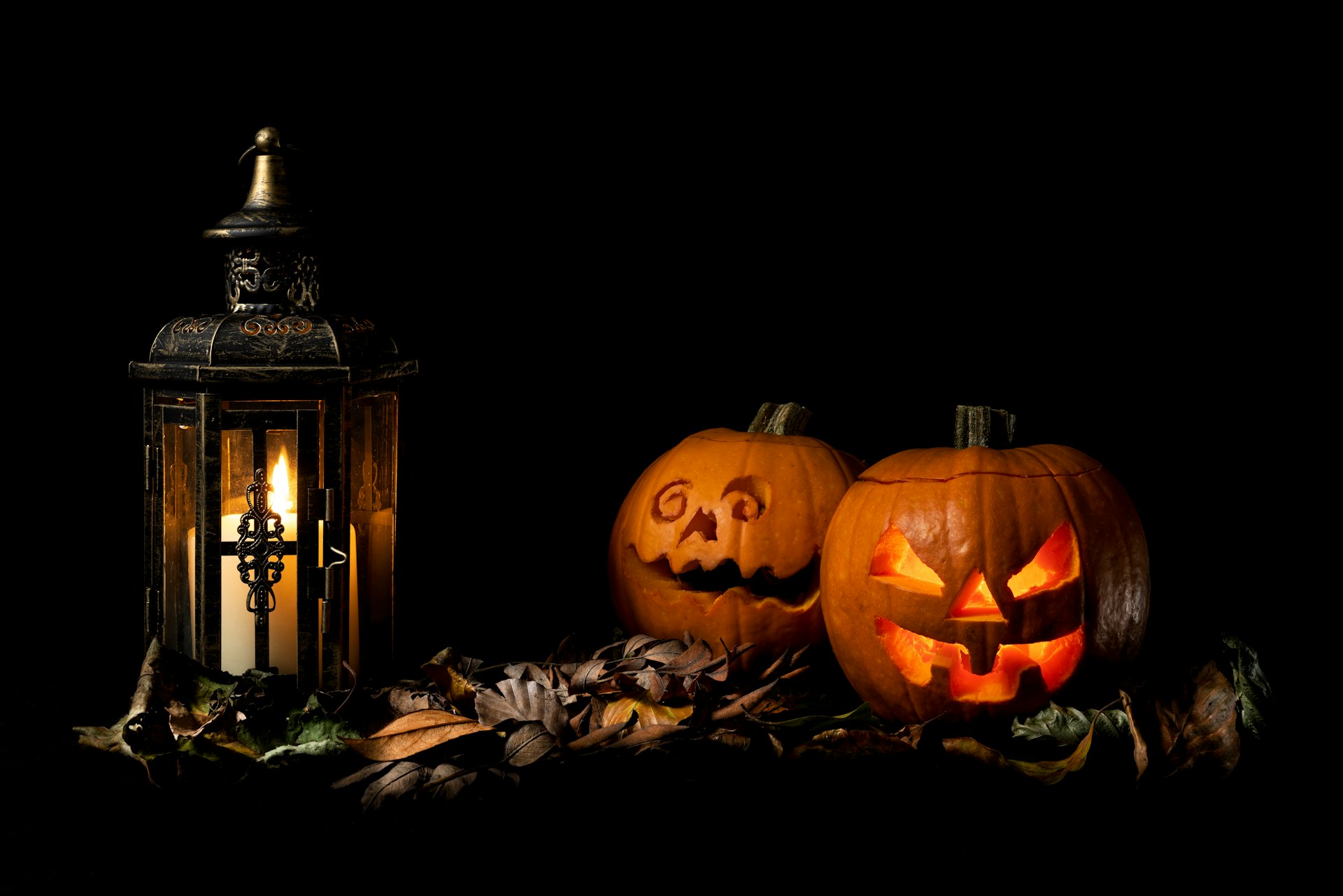
Check the Halloween dates, costumes and autumn celebration notes before you plan. Halloween is the seasonal festival here today, marked in many countries, with autumn roots and a modern celebration. People mark the night with costumes, carved pumpkins, and treats for children. More seasonal events will join this section, each with its dates and story. Each season brings its own food, light, and outdoor customs.
How to use this section
- Pick the season you are traveling in.
- Read the festival page for dates and customs.
- Check local opening times, since seasonal events can run for one night or several days.
Plan your visit
Start with the World Festival and Holiday Calendar dates and listings, then read the festival page for the event you want. Dates, opening times, and local rules change each year, so check the festival page before you book or travel. If food events interest you too, see the Food and Drink Festivals menus, hosts and dates for street food and chocolate shows. Seasonal events can run for one night or several days, so check the dates early.
Frequently Asked Questions
No. Trick or treating is mainly for children, usually aged 5 to 12, but there is no set age limit. Teens and adults often join as hosts, helpers, or party guests. A few towns set local rules, so check local notices if you are unsure.
Most families go between late afternoon and about 9 pm on 31 October, while it is dark enough to feel spooky but early enough for young children. Start earlier for small kids, and stick to homes with the porch light on.
Stay with young children, walk on sidewalks, cross at corners, and carry a torch. Use face paint instead of masks that block sight, add reflective tape to costumes, and check all treats before eating. Only visit homes with the porch light on.
Adults host parties, hand out treats, decorate homes, visit haunted houses, watch films, or join costume events. Many neighbourhoods run adult-friendly trails, markets, and parties alongside trick or treating.
Halloween grew from the Celtic festival Samhain, which marked the end of harvest and the start of winter. Later customs, such as souling and carving, shaped the modern holiday. Today it mixes old custom with costumes, treats, and parties.