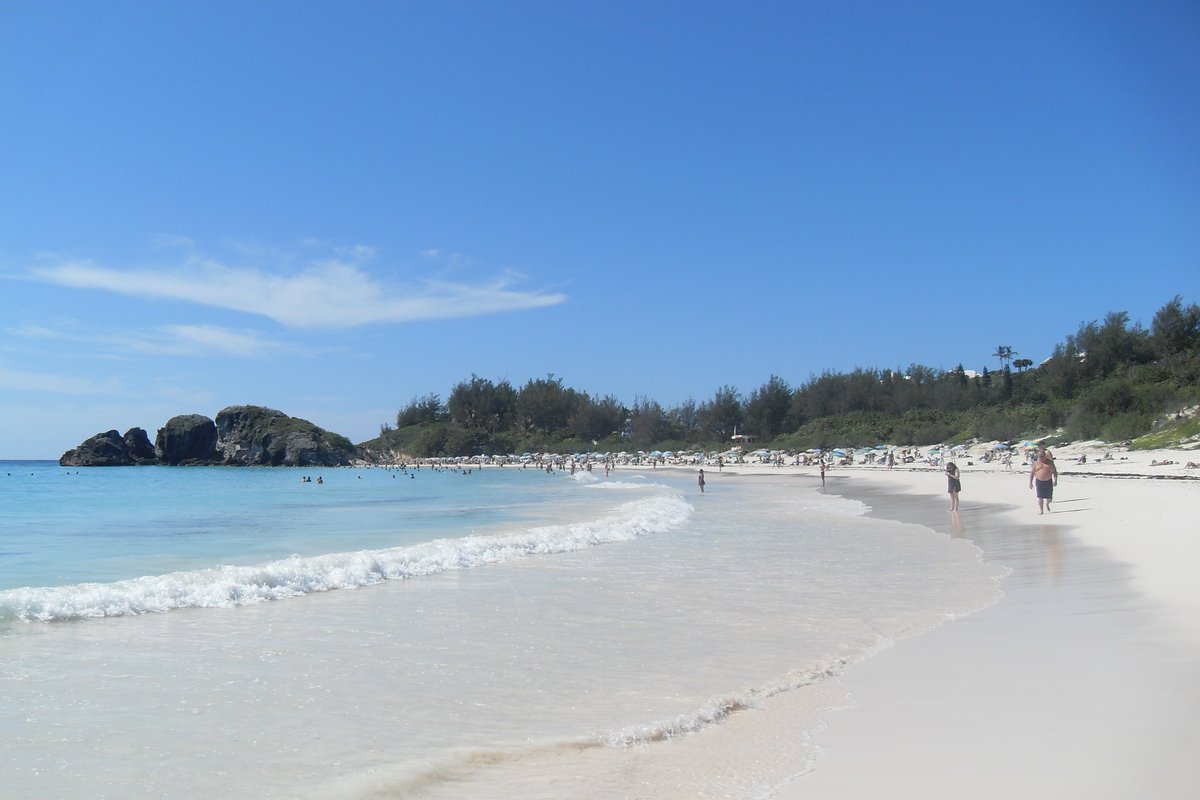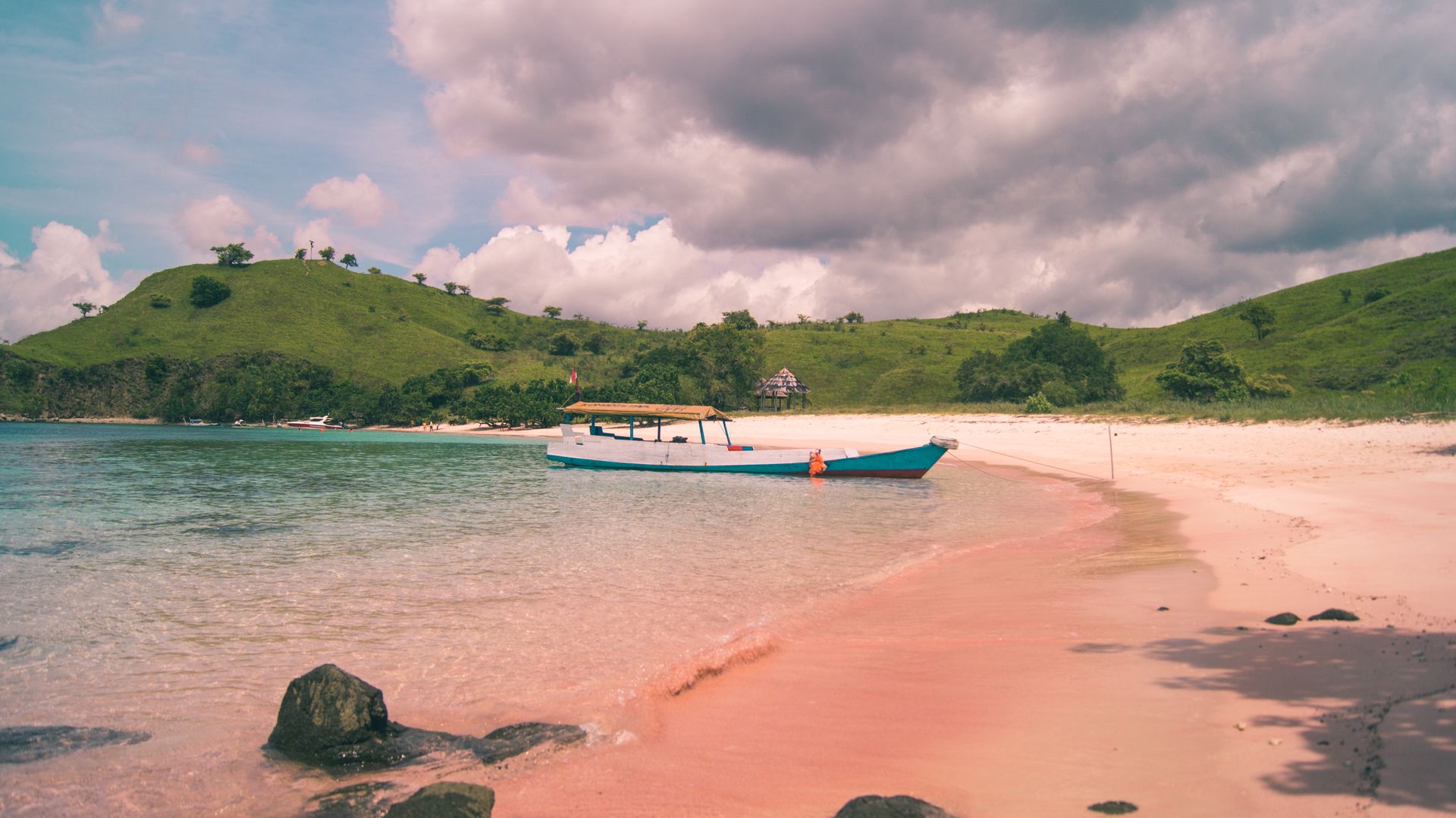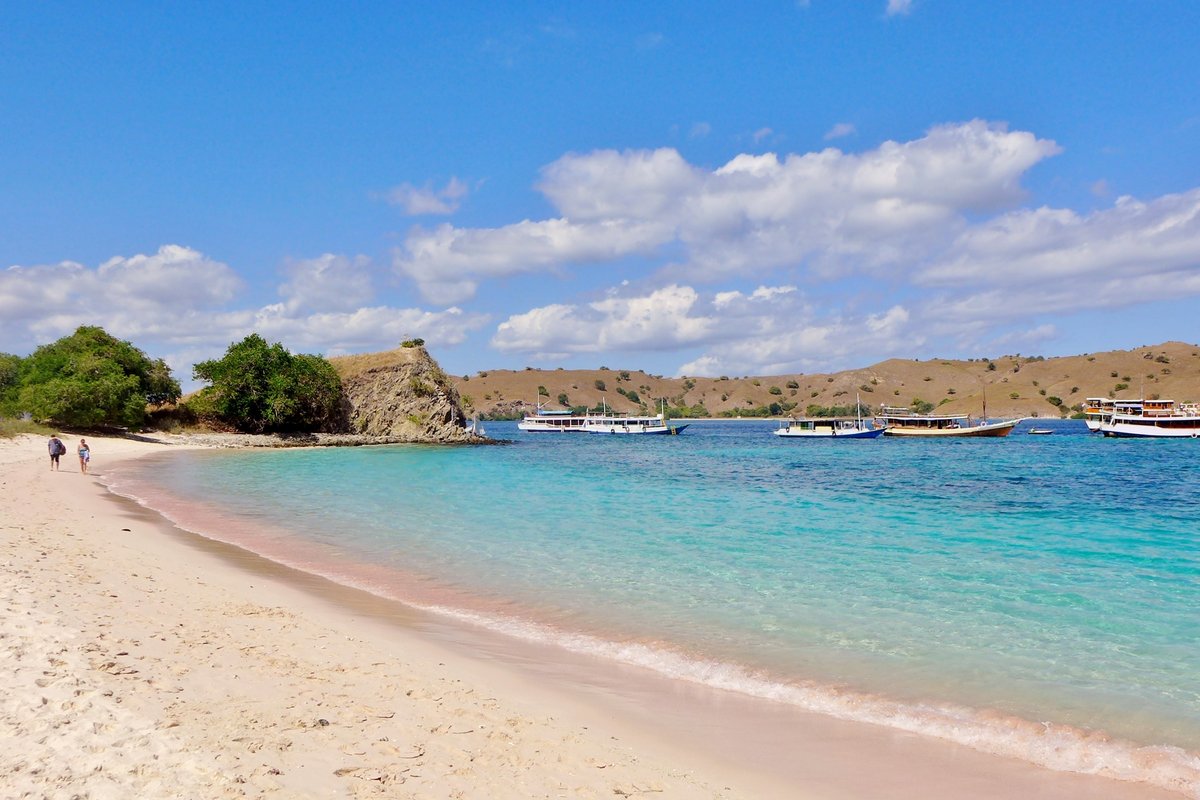


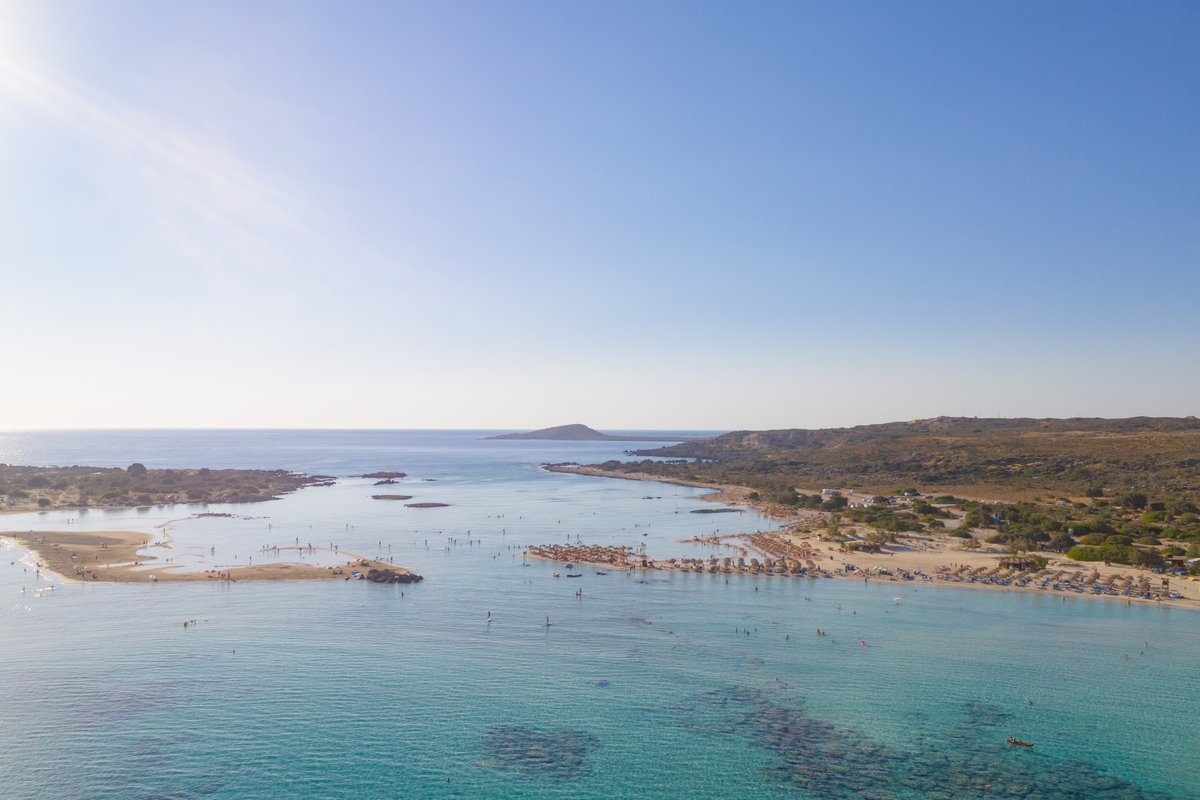
Elafonisi is a lagoon beach at the south-west tip of Crete, in the Kissamos municipality of the Chania region, and its sand carries a pink tinge that is real but subtle. The pink shows strongest along the waterline, where freshly washed sand catches the light, and it is palest on dry sand at midday. Come for the shallow lagoon, the wade to the small islet, and the open, windswept landscape, and treat the pink as a detail of a beautiful beach rather than the whole reason to come, and you will not be disappointed. This guide covers how to get there from Chania by car and by bus, when to go for quiet water, what the lagoon crossing is like, what facilities to expect, and the protection rules that apply, because Elafonisi is a Natura 2000 site and its dunes and islet are protected. For the world-level science of pink sand and for other pink beaches, read the pillar guide to pink sand beaches around the world. For the Caribbean comparison, read the Pink Sand Beach Bahamas guide, and for the Atlantic alternative, read the Horseshoe Bay Bermuda guide.
Where it is
Elafonisi sits on the south-west coast of Crete, at the island's south-western tip, in Kissamos municipality in the Chania region. It is roughly an hour and a half's drive from Chania, and the nearest airport is Chania. Do not confuse it with Elafonisos in Laconia in the Peloponnese, a different place with a different Natura 2000 code. Elafonisi in Crete is Natura 2000 site GR4340002, designated a Special Area of Conservation in 2011.
Getting there
By car from Chania: drive from Chania via Kissamos and the Topolia gorge and tunnel, then through Elos and Vathi, on narrow, winding roads. Allow roughly an hour and a half, and more in high season. Parking is near the beach, with a walk from the car parks to the water reported at roughly 700 to 1,000 metres. Parking fees are reported inconsistently, so check the signs on arrival rather than relying on a figure quoted here. By bus from Chania: the official KTEL Chanion-Rethymnou page lists a Chania to Elafonisi bus departing at 09:00 every day, with the return from Elafonisi to Chania at 16:00, departing from the central bus station in Chania. A Kasteli (Kissamos) to Elafonisi bus departs at 10:00, with the return at 16:00. The official page gives no season dates and no fare, and secondary sources describe this as a summer-season service, so check the current KTEL timetable before you travel and do not assume the service runs year round. By boat from Paleochora: a seasonal boat service from Paleochora is also reported. Days, times, and prices are reported inconsistently across secondary sources, and no official operator timetable was located, so check the operator directly for current details before planning around it. The road between Paleochora and Elafonisi is described as rough and steep, so the boat is the easier approach from that side. Organised tours: day tours from Chania, and also from Rethymno and Heraklion, are widely listed, typically with hotel pickup and several hours at the beach, and some include stops at Elos village, Agia Sofia cave, and Chrysoskalitissa monastery. Tour prices and pickup times are operator claims and change, so check the operator rather than relying on a quoted figure.
The lagoon and the wade to the islet
A shallow lagoon separates the mainland beach from a small, uninhabited islet, and the crossing is by wading across a sandbar that shifts with the tides. Depth is consistently reported as under 1 metre, typically knee-deep, with waist height as the upper end in some sources. The islet side is wilder and quieter than the organised mainland beach, with low dunes and secluded coves, and shade there is very limited, so bring water, sun protection, and your own shade. The site is exposed to wind from all directions, and strong wind plus fine sand makes for an unpleasant visit, so check conditions before going. The nearest weather station is at Paleochora.
Best time and crowds
The quieter months are late May to early June and September to early October, with warm sea into early October. July and August are the peak, busiest roughly from 11:00 to 16:00, with tour coaches arriving from about 10:30. Early morning, before about 09:00 to 10:00, and late afternoon, from about 16:00, are quieter. Spring is quieter with a colder sea, and the first days of November are quietest with the sea not yet cold, according to secondary guides. No official visitor statistics were located, so treat crowd timing as a typical pattern, not a guarantee.
Facilities
Toilets, showers, and changing facilities, plus one or two cantinas or snack bars with shaded tables, are reported on the mainland beach. Entry is reported as free of charge by secondary sources, with no official fee statement located. Sunbeds and umbrellas need a careful note. In April 2026, Elafonisi, Balos, and Falassarna were added to Greece's "untrodden beaches" list, which restricts commercial equipment on listed beaches, including rental sunbeds and umbrellas, beach bars, amplified music, organised events, vehicles on sand, and constructions that alter the shoreline. Reports differ on what that means in practice here: one version reads as a full rental ban, another describes most of the beach kept free of commercial equipment with rentals confined to a small zone on the mainland beach. Do not count on rentals until you have checked current conditions, and bring your own shade if you need it. A lifeguard is reported as seasonal, June to August, by one secondary source only, so do not rely on lifeguard cover outside that window without checking.
Protection rules
Elafonisi is a Natura 2000 site, and its dunes, islet, and wildlife are protected. Removing plants, animals, shells, or sand is forbidden, under penalty of a fine. Roped off areas protect loggerhead turtle nesting and must not be entered or disturbed, and visitors should keep to marked paths on the islet. Camping is not allowed. Umbrellas are reported as not allowed on the islet itself, to protect plant root systems, while the mainland beach position is covered by the untrodden-beach rules described above, which must be re-checked. The site is also a micro-reserve for the rare plant Androcymbium rechingeri, and sea daffodils appear in late August and September. Turtle nesting at Elafonisi specifically is widely reported by secondary sources but was not confirmed from the official EUNIS factsheet snippet read for this guide, so it is presented here as the reported position, with the roped off areas to be respected regardless. A proposal to watch: the Municipality of Kissamos is examining a reservation and time-slot system for Balos, Elafonisi, and Falassarna, with visitor numbers set by environmental carrying capacity, possibly from the following year. That is a proposal under examination only, not a rule in force, and must never be written as a booking requirement. Check before travel in case it becomes real.
Families
The lagoon is extremely calm and shallow, widely described as ideal and safe for families with small children, with a gentle water entry. Balance that against the counterpoints: limited shade, a long walk from parking in heat, no confirmed lifeguard outside the reported season, and wind exposure. For families, the practical plan is an early start, your own shade and water, and the lagoon rather than the open sea side.
Balos or Elafonisi or Falassarna
With a week in western Crete, do Balos and Elafonisi on different days, because they suit different travellers. Balos suits photographers and walkers who accept a boat trip from Kissamos port, or a dirt road for the last 8 km plus a steep walk of 20 to 30 minutes down and 30 to 45 minutes back up, for a dramatic lagoon. Elafonisi suits families and anyone wanting a paved-road drive to shallow, pink-tinged water. Falassarna, a west-coast beach in the same Kissamos area, is the third option in the same choice. The official KTEL page also lists Chania to Balos (Kissamos port) at 08:15, 09:00, 10:30, and 15:30, with returns at 17:45 and 19:00 after the Balos ferry arrives, and Chania to Falassarna via Kasteli and Platanos at 08:15, 09:00, 10:30, 12:00, and 15:30, with returns from Falassarna at 10:00, 11:00, 12:30, 14:00, 17:30, and 19:00, changing at Kasteli. Boat prices and any municipal toll for Balos are operator and secondary claims only, so check them directly. One distinction matters for Balos: it is often listed as a pink beach, but sources consistently describe it as white sand with pinkish patches near the shoreline, not as pink sand. Its fame is the lagoon, not pink sand, which is why the pillar guide leaves it out of the main pink beach list.
Sources
KTEL Chanion-Rethymnou, Popular Destinations of Chania, https://www.e-ktel.com/en/news/anakoinwseis/433-popular-destinations-of-chania.
European Environment Agency, EUNIS site factsheet GR4340002, https://eunis.eea.europa.eu/sites/GR4340002.
Greek Ministry of Environment and Energy, Untrodden Beaches list, April 2026, reported by Islands, https://www.islands.com/2166616/greece-untrodden-beaches-rules-affect-visitors-tourists-2026/.
CreteTip, reporting Nea Kriti, Kissamos visitor limits proposal, 11 August 2026, https://www.cretetip.com/cretes-most-famous-beaches-could-require-reservations-as-kissamos-plans-visitor-limits/.