

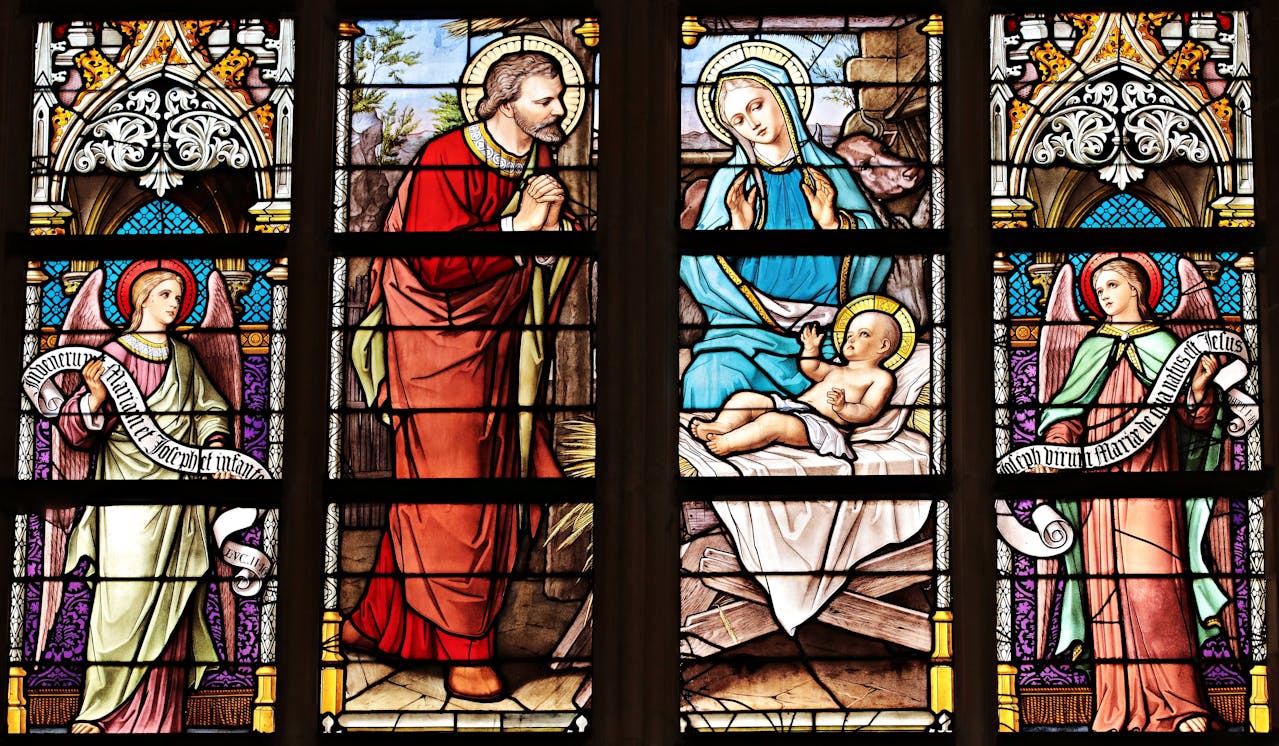
Epiphany 2027 is Wednesday 6 January in Western churches, and Tuesday 19 January in Orthodox churches on the old calendar. It marks the first showing of Jesus to the world: the visit of the Magi in the West, and his baptism in the East. Churches, parades, and family meals mark the day, and entry is free.
When is Epiphany 2027
Epiphany 2027 falls on Wednesday 6 January in Western churches: Catholic, Anglican, Lutheran, and Methodist. Orthodox churches on the old Julian calendar mark it on Tuesday 19 January 2027, which is 6 January on their calendar. Orthodox churches on the Revised Julian calendar, such as Greece, mark it on 6 January. In the United States, many dioceses move the feast to the Sunday between 2 and 8 January. See the Britannica guide to Epiphany history and dates for how the two calendars diverged.
What Epiphany means
Epiphany comes from the Greek word epiphaneia, which means showing, or manifestation. The feast marks the first moments when Jesus was shown to the world. The Magi, often called wise men, followed a star to Bethlehem and offered gold, frankincense, and myrrh. The gifts are traditionally read as signs: gold for a king, frankincense for a god, myrrh for death and burial. The Bible does not name the Magi, does not say there were three, and does not call them kings. The names Caspar, Melchior, and Balthasar, and the number three, come from later tradition.
How the date was set
The feast began in the Eastern church, where it first marked three showings of Jesus at once: his birth, his baptism, and his first miracle at the wedding at Cana. In the latter half of the 4th century, the Eastern and Western churches took up each other's feast of the birth, which set the twelve days from Christmas to Epiphany. By 354, Rome was marking Christ's birth on 25 December, and later marked Epiphany on 6 January. The West came to stress the Magi, while the East kept the stress on the baptism. The feast closes the Christmas season.
Western and Orthodox Epiphany
| Tradition | Date 2027 | Main focus |
|---|---|---|
| Western (Catholic, Anglican, Lutheran, Methodist) | Wednesday 6 January | Visit of the Magi; also called Three Kings Day |
| Orthodox, Revised Julian (e.g. Greece) | Wednesday 6 January | Baptism of Jesus; called Theophany |
| Orthodox, old Julian (e.g. Russia, Serbia) | Tuesday 19 January | Baptism of Jesus; called Theophany |
| Ethiopian Orthodox (Timkat) | Tuesday 19 January | Baptism of Jesus; Tabot procession and water blessing |
Theophany is the Orthodox name for the feast. It means the showing of God, and points to the baptism, when the voice of God named Jesus as Son and the Spirit came down like a dove.
What happens on the day
Mass or liturgy is the centre of the day. In the East, the liturgy is followed by the Great Blessing of the Waters. A priest throws a cross into a river, lake, or sea, and swimmers dive in to retrieve it. The finder is said to gain blessing for the year. In the West, many churches bless chalk, which families use to mark their doors. The chalk mark reads 20 + C + M + B + 27. The letters stand for the Magi's traditional names and for the Latin blessing Christus mansionem benedicat, which means "May Christ bless this house". Read the EWTN guide to blessing your home on Epiphany for the words and the chalking.
Where Epiphany is marked
In Spain, 6 January is a national public holiday. The Three Kings Parade, the Cabalgata de Reyes, runs on the evening of 5 January, with floats, music, and sweets thrown to crowds. Children leave shoes out overnight and wake to gifts. Many shops and offices close on 6 January. In Italy, 6 January is a public holiday, and La Befana, a kindly old woman on a broomstick, fills stockings with sweets on the night of 5 to 6 January, or leaves sugar "coal" for children who misbehaved. In Greece, Epiphany is a public holiday, and the blessing of the waters draws crowds to harbours and rivers. In Bulgaria, the day is called Yordanovden. A priest blesses the water and throws in a cross, and in Kalofer men dance the horo chain dance in the icy Tundzha River in the early morning. Yordanovden is also the name day for people named Jordan.
In Ethiopia, Timkat is the Ethiopian Epiphany. On the eve, called Ketera, priests carry the Tabot, a model of the Ark of the Covenant, in procession to a pool or river. At dawn the water is blessed and sprinkled on the crowd. The best-known site is the Fasilides Bath in Gondar. Read the guide to Gondar and the Timkat procession before you plan a trip. See the full list of religious festivals in this category.
What to eat
In France, Epiphany is marked with the Galette des Rois, a round of puff pastry filled with almond cream in the north, and a brioche ring scented with orange blossom in the south. A small figurine called a fève is hidden inside, once a bean, now often porcelain. The finder is crowned king or queen for the day. To keep the slicing fair, the youngest child calls out who gets each piece. In Spain, the Roscón de Reyes is a ring-shaped sweet bread with candied fruit, hiding a figurine and a dry bean. The finder of the figurine is crowned, and the finder of the bean pays for next year's cake.
One mix-up to avoid: the New Orleans king cake, with purple, green, and gold icing, belongs to Mardi Gras and Carnival season, not to Epiphany itself. Those three colours stand for justice, faith, and power in Carnival tradition. Epiphany cakes are the galette and the roscón, not the Carnival king cake.
Visiting tips
- Dress: smart and modest. Cover your shoulders in church, and wear shoes you can walk in at outdoor ceremonies.
- Mass and liturgy: times vary by parish. Check the parish notice board or website, and arrive early on a feast day.
- Parades: in Spain, arrive well before the evening parade starts to find a viewing spot. Keep children in sight in crowds.
- Water blessings: dress warm. January mornings at a river or harbour are cold, even in the Mediterranean.
- Closures: in public-holiday countries, shops, offices, and some restaurants close on 6 January. Check opening hours before you travel.
- Photos: ask before you photograph people at prayer or in procession. Do not use flash during liturgy.
Epiphany closes the Christmas season. Read the Christmas dates, traditions, and visitor guide to see how the season begins. For the full list of festivals across the world, go back to the World Festival and Holiday Calendar.