

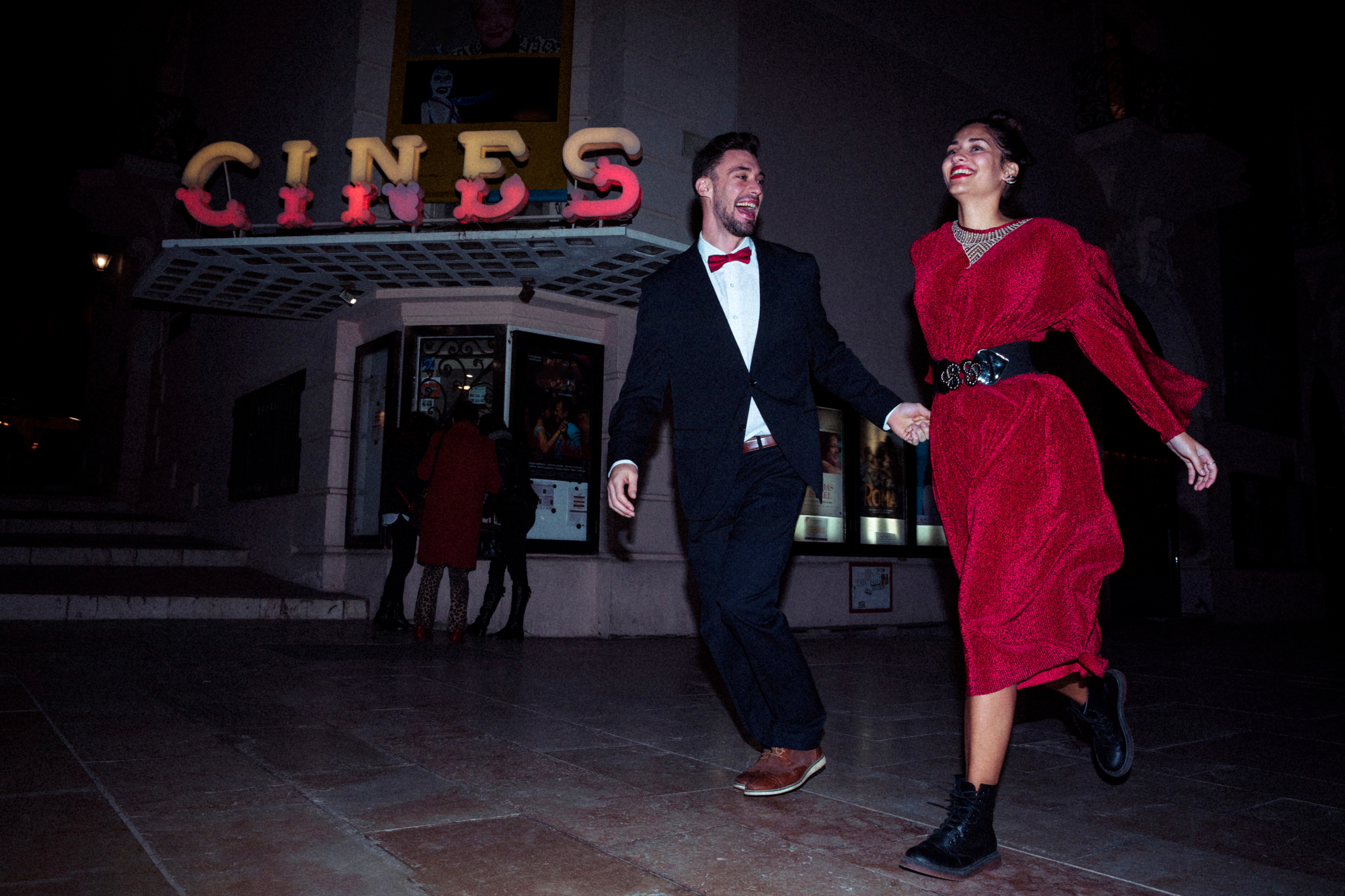

Cannes Film Festival 2027 runs Tuesday 11 to Saturday 22 May at the Palais des Festivals in Cannes. Official screenings are by accreditation or invitation, not on general public sale. Anyone can enjoy the free beach cinema, the Croisette atmosphere, and the red carpet arrivals from public areas.
When is Cannes Film Festival 2027
Cannes Film Festival 2027 runs from Tuesday 11 May to Saturday 22 May, twelve days in all. It is the 80th edition of the festival. The Marché du Film, the industry market that runs alongside the festival, runs 11 to 19 May, with Greece as its Country of Honour. The film line-up is announced in April 2027, so check the official programme before you build a trip around one title. See the Cannes Tourism guide to the 2027 festival dates and venue for the confirmed dates and opening times.
| Date 2027 | What happens |
|---|---|
| Tuesday 11 May | Opening day: first screenings, opening ceremony, first red carpet premieres. |
| Tuesday 11 – Wednesday 19 May | Marché du Film: the industry market, with Greece as Country of Honour. |
| Every evening, 11–22 May | Cinéma de la Plage: free open-air screenings on Macé Beach. |
| Saturday 22 May | Closing day: awards ceremony, including the Palme d'Or. |
What is the Cannes Film Festival
Festival de Cannes is the French name for the festival, and it is the film world's most watched event. Each May, Cannes hosts world premieres, a red carpet watched around the world, and the industry's largest film market, all in one small seaside city. The Croisette is the seafront boulevard where it all happens: hotels, pavilions, photographers, and crowds line its two kilometres for the full twelve days. The festival draws more than 35,000 professionals and festival-goers, plus about 5,000 journalists. See the full list of music, film and arts festivals in this category.
What happens at the festival
The heart of the festival is the Official Selection: films in Competition, Out of Competition, Un Certain Regard, and other sections, shown in the Palais theatres. The Grand Théâtre Lumière hosts the gala premieres, reached by the 24 Red Steps. Alongside the screenings, the Marché du Film runs the business side: producers, distributors, sales agents, and buyers meet, watch market screenings, and agree distribution deals. Around the Palais, the parallel sections — Directors' Fortnight, Critics' Week, and ACID — show independent and first films, and are far easier for the public to reach. In the evenings, the red carpet arrivals draw the biggest crowds, and the beach cinema offers a slower, open-air way to watch films under the stars.
Tickets and accreditation
There is no general public ticket sale for official screenings. Access works through accreditation or invitation. Film professionals, press, and industry guests apply for a badge, with proof of their industry standing, and then book screening tickets free through the festival's online box office. Badge types and prices vary, so check the official site for the current categories and deadlines. Read the first-timer guide to Cannes accreditation and badge types before you apply.
| Route | Who it is for | What it gives |
|---|---|---|
| Festival / Marché accreditation | Film professionals, press, industry guests | Badge + free screening tickets via the online box office. Paid badge; price varies by type. |
| 3 Days in Cannes | Film lovers aged 18 to 28 | Free accreditation for three days of Official Selection screenings. Limited; apply early. |
| Directors' Fortnight / Critics' Week | General public | Public ticketing online. Check each section's site for dates and prices. |
| Cinéma de la Plage | Everyone | Free open-air screenings on Macé Beach every evening, subject to capacity. |
Apply early. Accreditation places are limited, and late applications are often refused on capacity grounds. Never buy screening tickets or invitations from street sellers: they are usually fake, and a fake ticket means no entry and no refund. If you hold a badge but no ticket for a screening, try the last-minute queue at the venue. Many people get in that way.
The Palme d'Or
The Palme d'Or, the Golden Palm prize, is the festival's top award. It goes to the best feature film in the Competition, chosen by the main competition jury and handed out at the closing ceremony. The name dates to 1955; before that, the top honour was called the Grand Prix du Festival. Other Competition awards include the Grand Prix, effectively the runner-up prize, the Jury Prize, Best Director, Best Screenplay, and Best Actor and Best Actress. The Camera d'Or recognises the best first feature shown across any section, and a separate Palme d'Or is awarded for the best short film.
How the festival began
The festival began as a protest. At the 1938 Venice festival, pressure from Hitler and Mussolini led jury members to change the results in favour of a Nazi propaganda film. French diplomat Philippe Erlanger, outraged, began planning a rival festival free of political interference, with backing from Jean Zay, France's Minister of National Education and Fine Arts. Organisers first chose Biarritz, then switched to Cannes after the city's hoteliers made a stronger financial offer. The first festival was set for 1 to 20 September 1939, deliberately opening on the same day as Venice. On the night of 31 August, one film was screened privately. The next morning, Germany invaded Poland, France and Britain declared war two days later, and the festival was abandoned. The true first edition finally took place in September 1946 at the old Casino of Cannes. Money problems forced cancellations in 1948 and 1950. The festival has run every year since. The last edition before this guide, the 79th, ran 12 to 23 May 2026, with Cristian Mungiu's Fjord winning the Palme d'Or.
Another great film festival is the Venice Film Festival dates and Golden Lion guide. For the full list of festivals across the world, go back to the World Festival and Holiday Calendar.
Safety and visiting tips
- Crowds: keep your bag closed and in front, carry little cash, and agree a meeting point with your group.
- Fake tickets: buy only through the official site and the official box office. Never buy screening tickets or invitations from street sellers.
- Dress code: gala evening screenings need black tie. Daytime screenings need smart attire. Sneakers are not allowed at galas.
- Red carpet: watch arrivals from the public areas around the Palais. Arrive early for a viewing spot.
- Getting around: Cannes is small and much is walkable. The station is a 5-minute walk from the Palais. Take the train rather than driving; the A8 motorway clogs badly in festival week.
- Stay: book months ahead. Central Cannes fills for festival week, and prices rise close to the dates. Staying in nearby towns with a train link costs less.
- Weather: May on the Riviera is warm, with sunny days and cool evenings. Carry a light layer and sun protection.
- Beach cinema: arrive well before the evening screening for a good spot on Macé Beach.