
Hiking & Trekking Trails
Hiking and trekking trails here come with the permit rules, fitness demands, and seasonal timing that generic trail lists skip. This category holds 5 guides: a permit-free Atlas Mountains summit plan in Morocco, Everest Base Camp secrets most guides miss, a 24-hour Rwanda gorilla trekking permit process, an 8-day Kyrgyzstan trekking permit guide, and the Great Smoky Mountains trails to avoid during 2026 closures. Each one answers exactly what you need to know before you book.
Featured Hiking & Trekking Trails
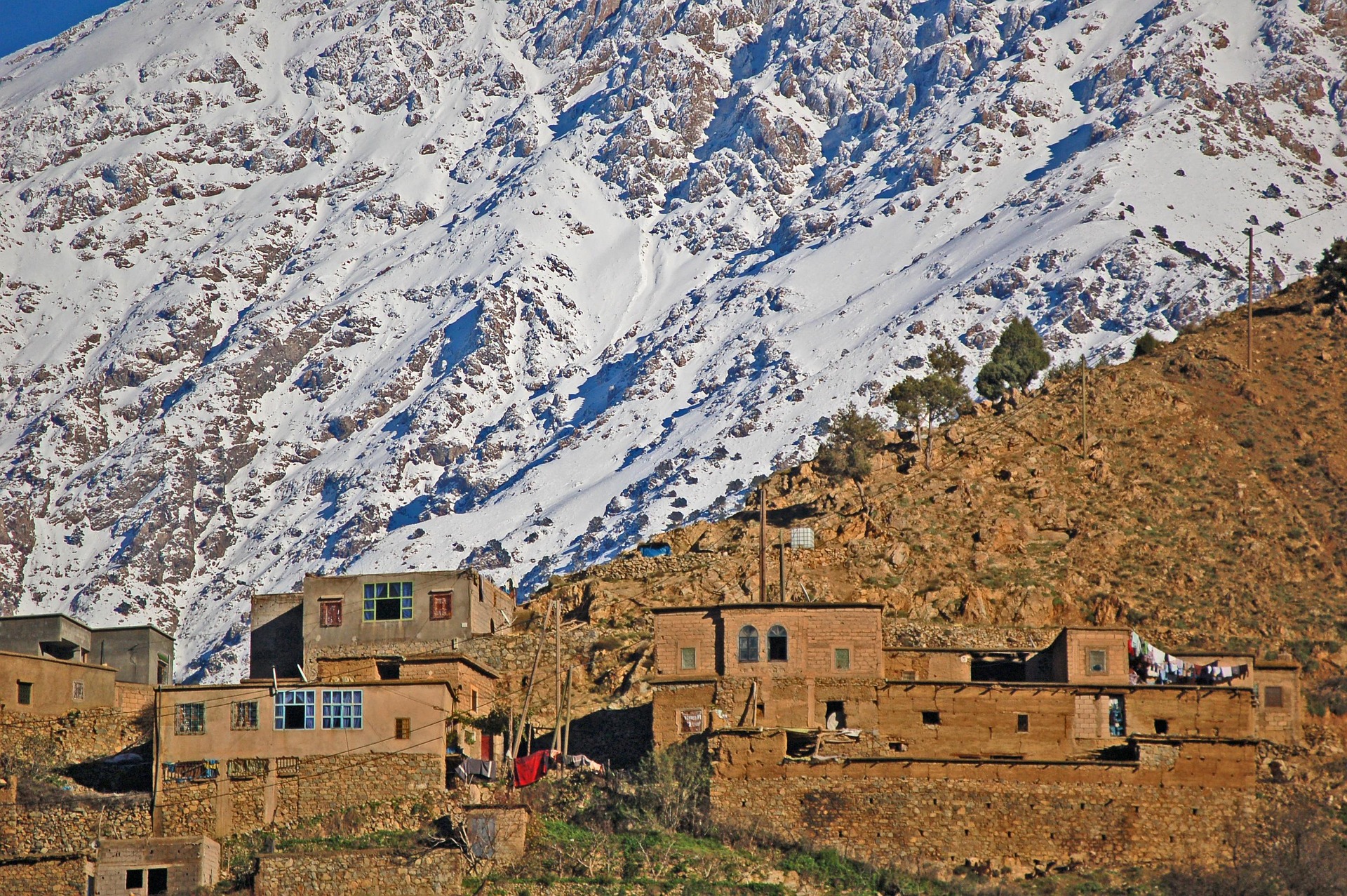 Adventure Travel & Nature
Introduction Hiking the Morocco Atlas Mountains can be organized in just seven days without worrying about permits or costly guided tours. This playbook walks U.S. travelers through visas, flights, gear, acclimatization, and two proven summit routes, letting you focus on the sunrise over Toubkal an...


Latest Hiking & Trekking Trails
 Adventure Travel & Nature
Most Kyrgyzstan treks need no trekking permit. The classic Ala-Kul route near Karakol sits outside the border zone, so you pay a Karakol National Park fee of roughly 250 to 300 som (about $3) and walk in. Border-zone permits apply to Kel-Suu, Inylchek, Khan Tengri and the southern Alay, and a registered agency has to arrange them.
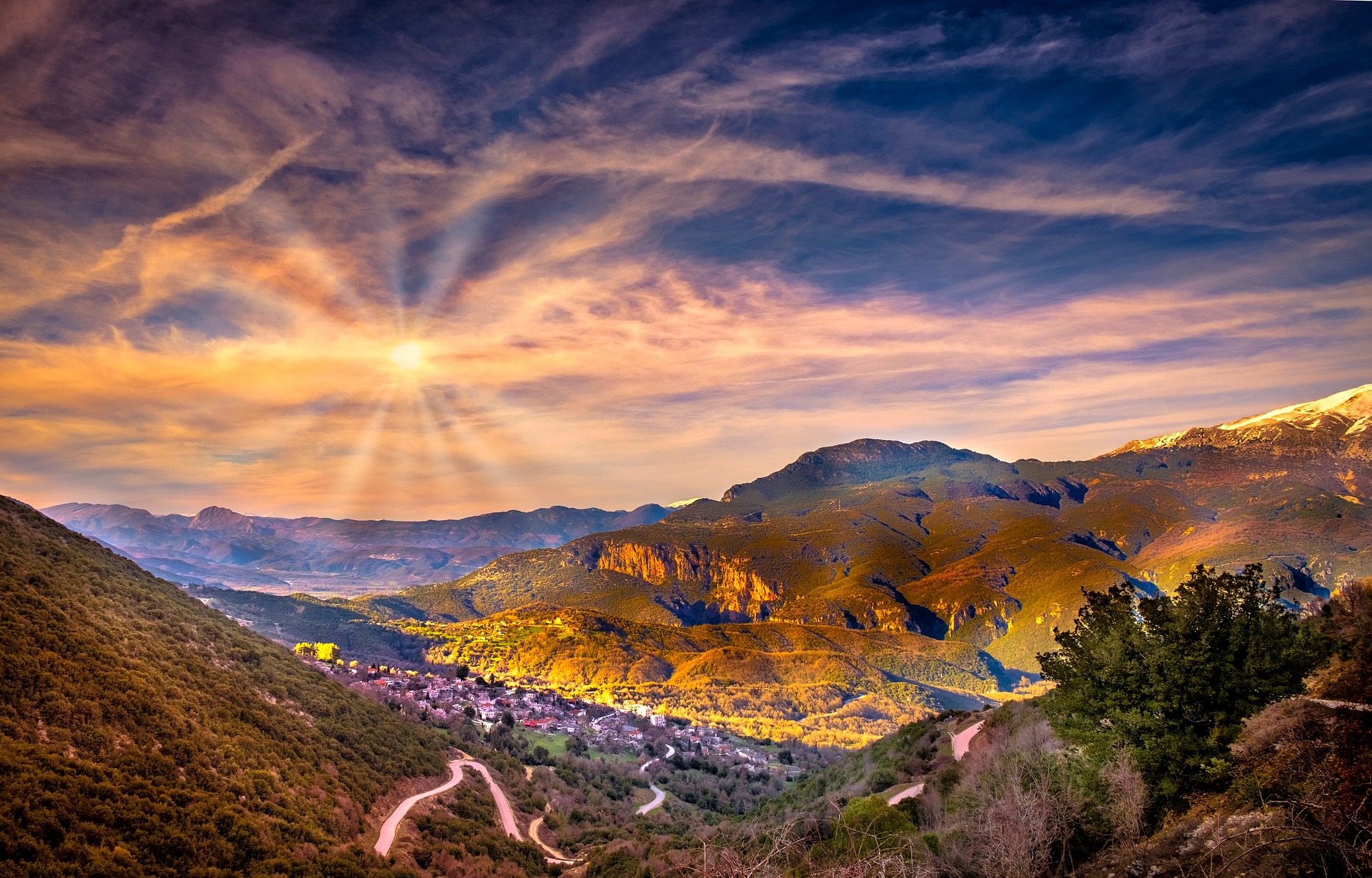 Adventure Travel & Nature
IntroductionThe Great Smoky Mountains trails can still deliver unforgettable sce...
How We Research Hiking & Trekking Trails
Firsthand Research
We explore destinations ourselves, so you get real, on-the-ground insights.
Current Information
We keep our guides updated with the latest travel rules, trends and local advice.
Practical Details
From transport and accommodation to costs, we cover details that matter.
Search Hiking & Trekking Trails
Popular Guides
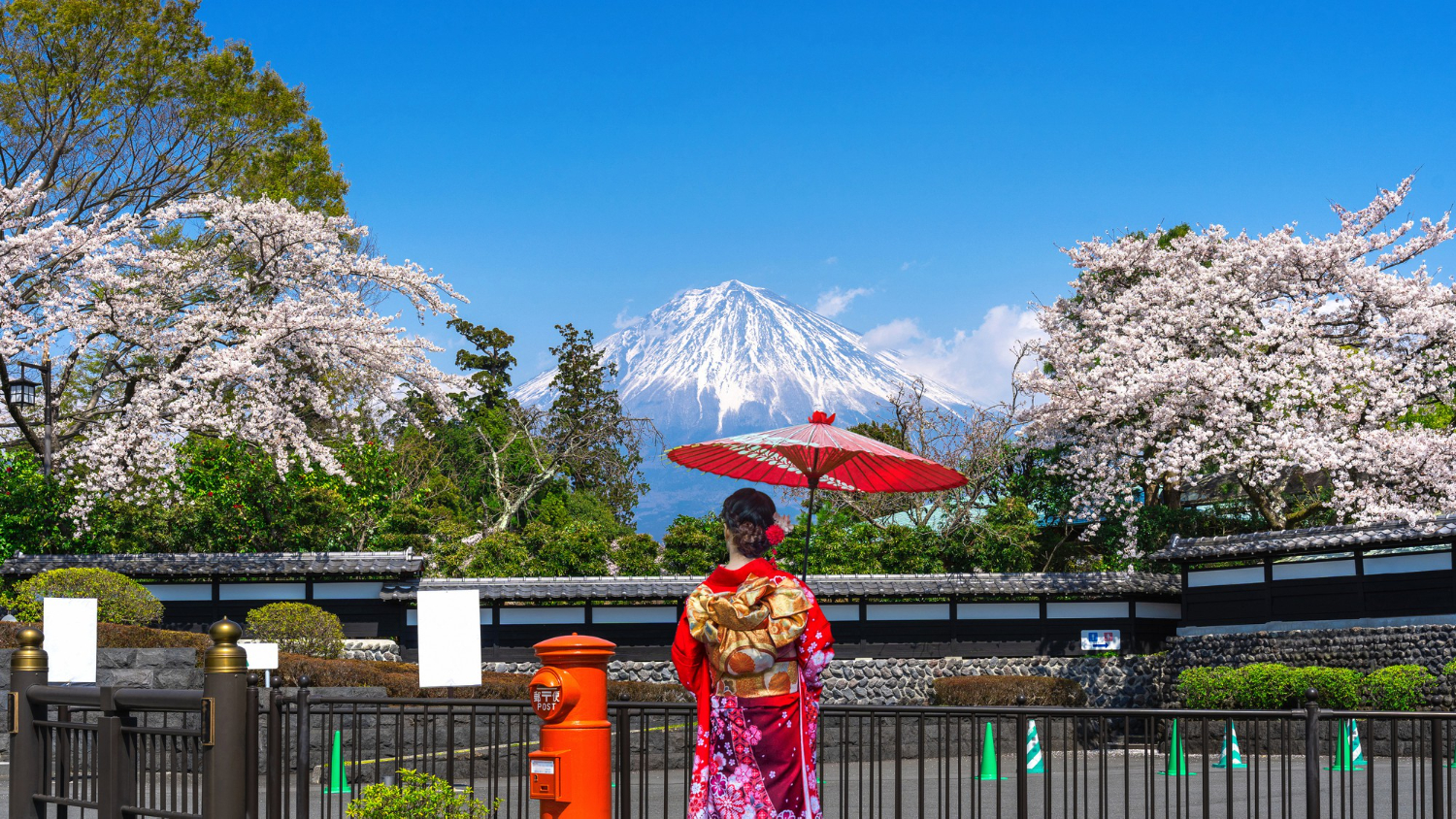
Kyushu Japan Travel Guide: Hidden Spots Tourists Miss in 2026
Apr 22, 2026
Dominican Republic Hidden Beaches: Explore 7 Untouched Gems 2026
Apr 09, 2026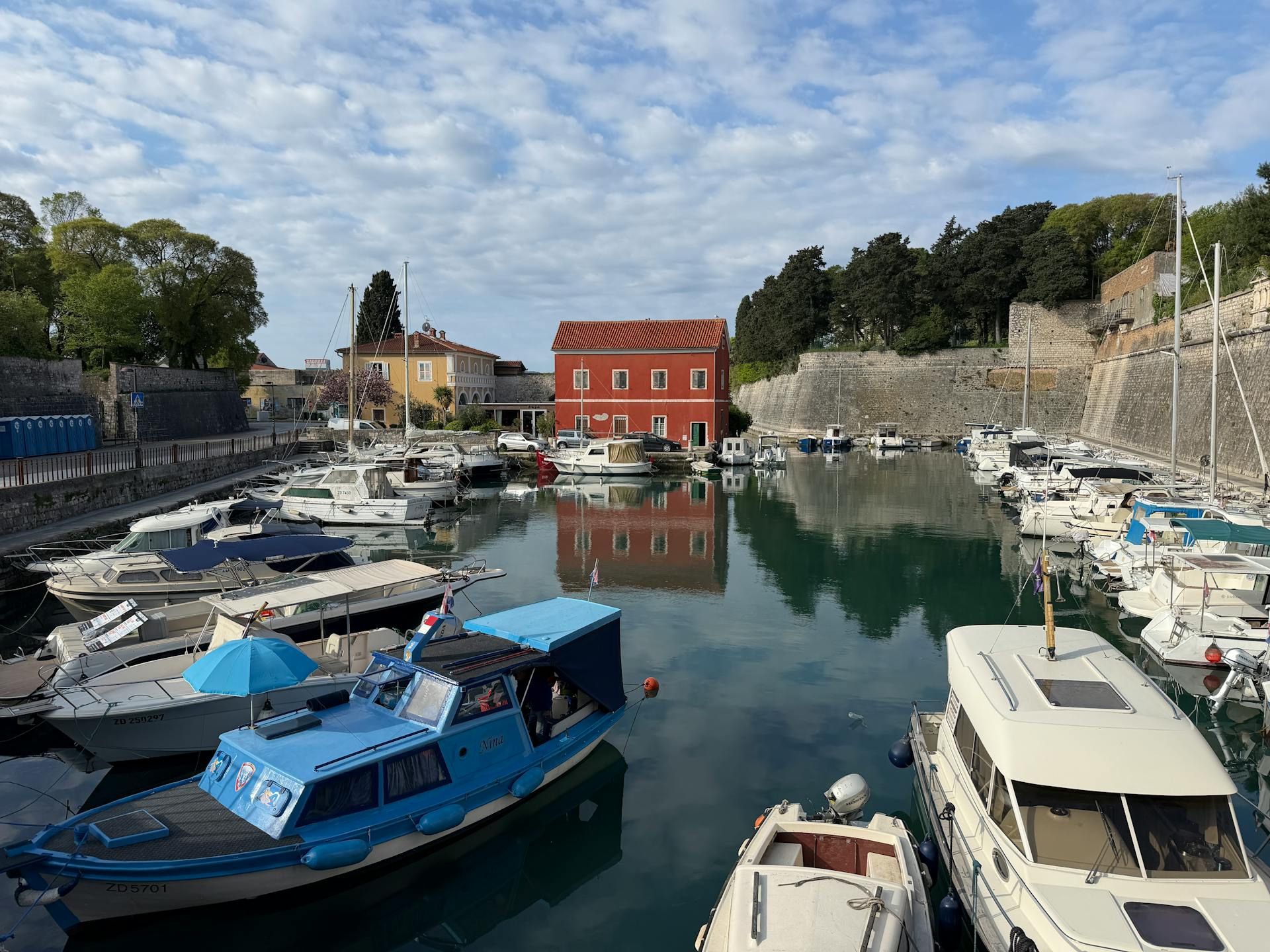
Zadar Croatia Travel Guide: 7 Tricks to Dodge Crowds & Save Money
Apr 09, 2026
Best Island Destinations Southeast Asia 2026: Avoid Crowds & Fees
Apr 10, 2026
Best Travel Destinations That Boost Your Adventure Budget In 2026
Apr 14, 2026
Discover the World's Best Festivals
Immerse yourself in vibrant cultures, lively celebrations, and unforgettable experiences globally.

Destination Guides in Your Inbox
Join our newsletter and get the best travel stories, tips and exclusive guides delivered straight to your inbox.
No spam. Unsubscribe anytime.
About Hiking & Trekking Trails
Hiking and trekking trails take travelers beyond the usual sightseeing routes, whether the goal is a short walk through a forest, a day hike to a mountain viewpoint, or a multi-day trek through remote terrain. The experience can vary dramatically with elevation, distance, terrain, weather, altitude, and access, which is why choosing a trail involves more than looking at photographs or reading a difficulty label.
This section covers hiking and trekking trails around the world, including mountain routes, forest trails, coastal paths, national park hikes, high-altitude treks, wilderness routes, and scenic walks. Guides focus on the characteristics that matter when deciding whether a trail is suitable: trail length, estimated duration, elevation gain, terrain, difficulty, best season, access, permits, accommodation, and the equipment normally required.
A short trail near a city can provide a completely different experience from a multi-day Himalayan or alpine trek. Some routes follow well-maintained paths with regular facilities, while others cross steep slopes, rocky ground, snow, rivers, or remote wilderness where weather and navigation become important considerations. Altitude can also change the demands of a trek considerably, even when the walking distance appears manageable.
Season is another major factor. Rain can make trails muddy or slippery, snow can close mountain routes, and extreme heat can make exposed trails considerably harder. In high-altitude areas, the available trekking window may be limited by winter conditions. Before setting out, check current trail access, weather, local regulations, permits, and conditions for the specific route.
The guides in this category cover trails for different experience levels, from beginner-friendly hikes and day walks to demanding multi-day treks and high-altitude routes. You'll also find information that can help with preparation, including what to pack, how to assess trail difficulty, how to plan daily distances, when a local guide may be appropriate, and what to consider when conditions change.
Whether you're comparing mountain treks, looking for a national park trail, planning a long-distance hike, or choosing your first multi-day trekking route, the focus here is on the trail itself and the practical details that determine what the experience will actually be like.
Frequently Asked Questions
Start with the distance, elevation gain, terrain, duration, difficulty and weather conditions. Then consider your experience, fitness, available equipment, transportation, accommodation and whether you need a permit or guide. A trail that looks short on a map can still be demanding if it involves steep climbs, high altitude or difficult terrain.
Difficulty can depend on several factors rather than distance alone. Elevation gain, steep sections, altitude, rough or technical terrain, heat, cold, trail conditions, navigation and the length of the route can all increase the physical and logistical demands of a hike.
The best season depends on the location, altitude and type of trail. Mountain routes can have short summer or shoulder-season windows, while desert trails may be more comfortable during cooler months. Rain, snow, heat and seasonal trail closures can significantly affect conditions, so check local weather and current trail information before departure.
Packing depends on the trail, season and duration. Common items include suitable hiking footwear, layered clothing, water, food, navigation tools, sun protection, a first-aid kit, personal medication, a light source and a way to communicate in an emergency. Multi-day or remote treks may also require camping equipment, additional food and water-management supplies.
Not necessarily. Trails can close because of snow, flooding, landslides, extreme weather, wildfire risk, wildlife activity, maintenance or seasonal restrictions. Protected areas may also have rules that limit access during particular periods. Check the current status with the relevant park authority, land manager or local authority before starting a hike.
Check the current weather, trail status, route conditions, distance, elevation profile, daylight hours, access restrictions, permits, water sources and emergency arrangements. Make sure your footwear, clothing, navigation equipment, food and water are appropriate for the conditions you expect to encounter.